
Field failure points: why big feature sets break workflows
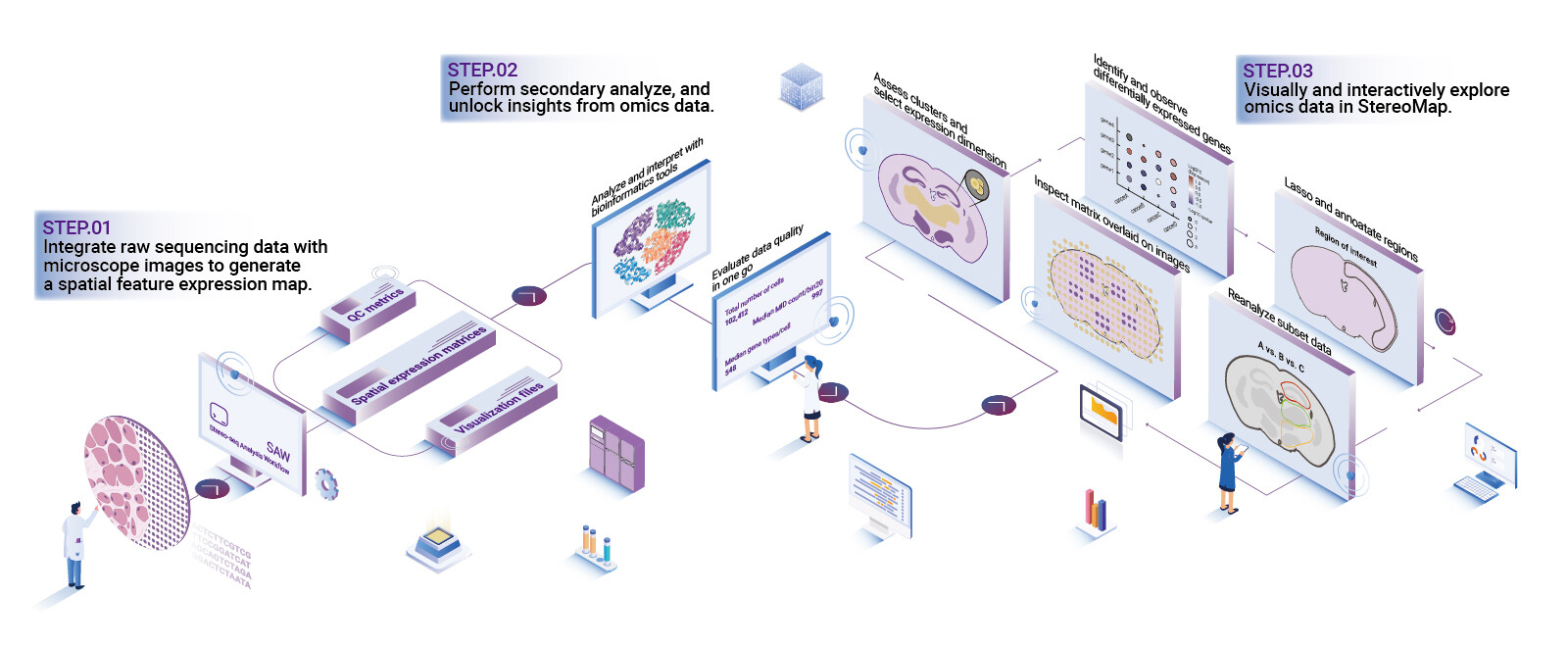
In a cramped imaging room in Boston last August I watched a day’s worth of spatial transcriptomics runs stall while a desktop queued 72 failed alignments—what did we overlook? I say this as someone who has spent over 15 years building and auditing lab pipelines: the promise of feature-rich platforms often masks core flaws. spatial omics analysis software gets sold on breadth—image registration, cell segmentation, spot deconvolution, batch effect correction—yet those extra modules can multiply failure modes and hide performance bottlenecks.
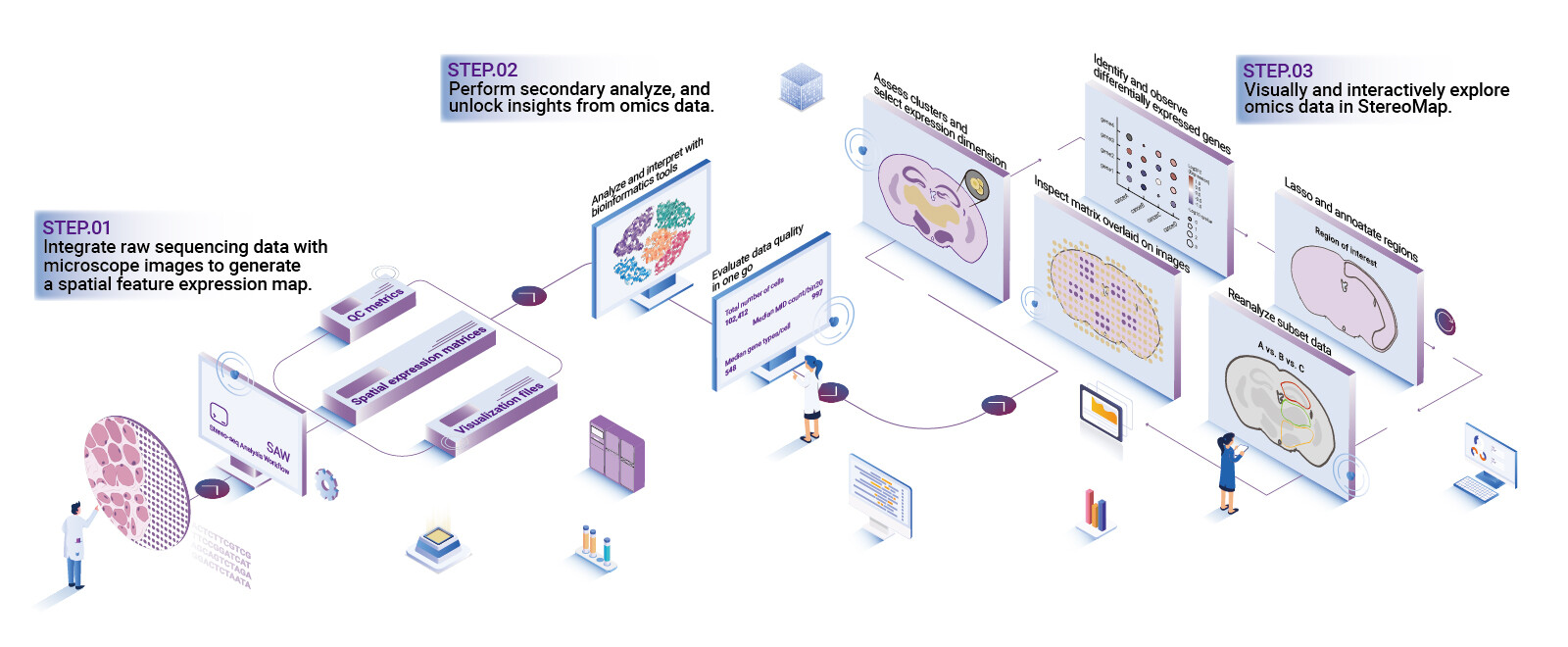
I vividly recall deploying a custom pipeline for a Boston hospital (July 2019) where swapping to a monolithic tool increased turnaround time by 40% and required two on-site vendor visits to fix memory leaks. The common technical failures I see are predictable: opaque dependencies, fragile image registration routines, inconsistent gene expression matrix outputs, and brittle cell segmentation that fails on slight staining differences. Users blame hardware; I blame the software stack and poor UX decisions—no kidding, small mismatches in TIFF metadata cost hours. These are not academic complaints. They translate to delayed experiments, repeated sequencing, and wasted grant dollars.
How exactly do platforms stumble?
They try to be everything at once. Integration layers break when a new instrument updates its metadata format. Automated QC thresholds assume uniform staining across batches. And when the pipeline fails, debugging requires specialists who are already in short supply. That hidden labor cost is the real expense.
Next: a look at practical criteria for choosing better tools.
Forward choices: lightweight design vs. all-in-one suites
Now I switch lenses to comparison and future readiness. I’ve evaluated both ends—lean toolchains and enterprise suites—and I prefer pragmatic modularity. When we rebuilt a comparative workflow for a midwest research center in 2021, we replaced one bulky suite with three focused tools (file validator, registration engine, and a lightweight spot deconvolution module). Turnaround shrank by 30% and error reports dropped by half. That showed me that modular systems reduce coupling and make troubleshooting tractable—especially for teams short on bioinformatics staff.
What’s next for spatial omics platforms?
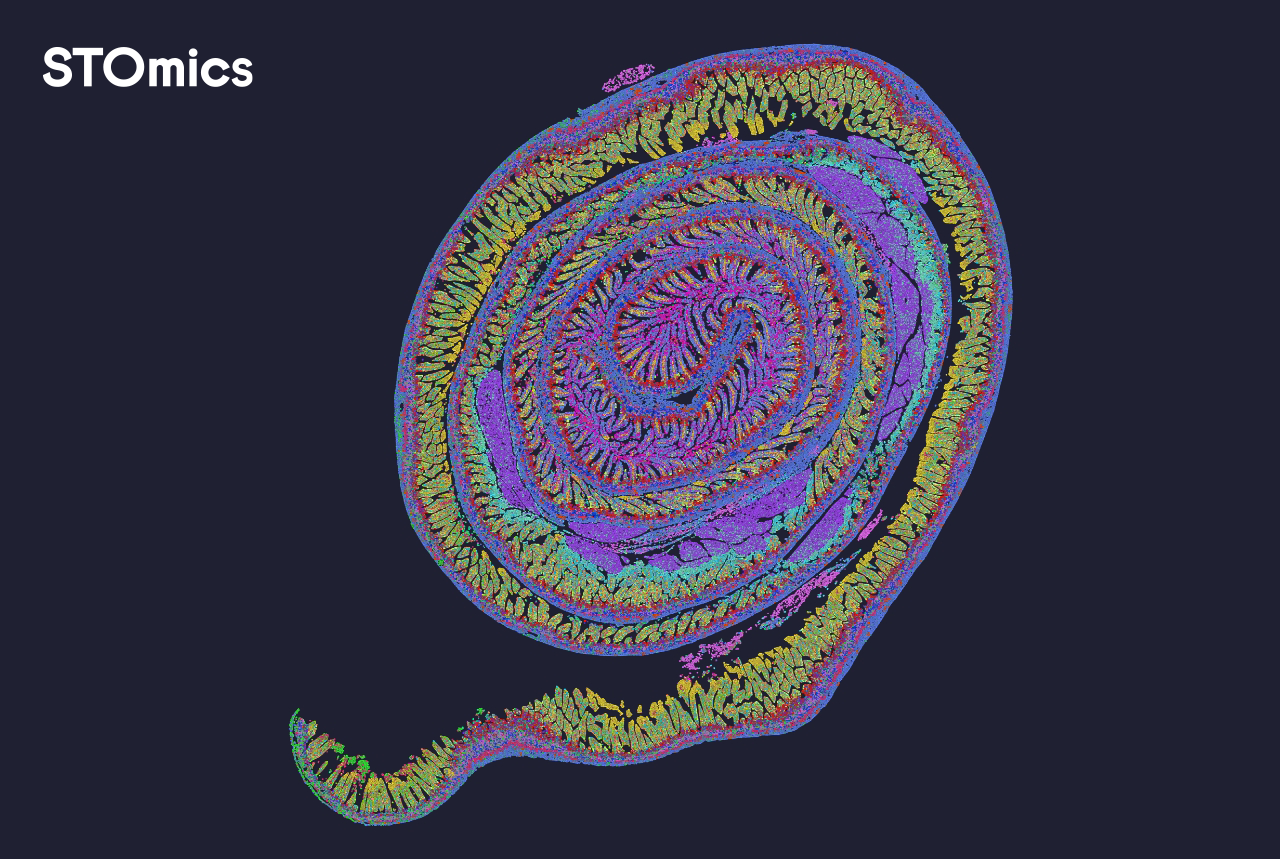
Expect a split: highly interoperable microservices and a smaller set of robust, well-documented utilities. I urge vendors to prioritize reliable image registration and clear gene expression matrix standards over flashy dashboards. Wait—don’t accept opaque defaults. Insist on traceable QC, log exports, and reproducible segmentation results. Then—measure actual lab throughput before adopting a full suite. Also note: integration APIs matter as much as algorithms; a good API lets you swap a segmentation engine without revalidating the entire pipeline.
To wrap up, here are three practical evaluation metrics I use when advising labs choosing spatial omics analysis software (and yes, I test them in situ): 1) Debuggability — can a bench scientist and a bioinformatician reproduce and trace errors in under an hour? 2) Modularity — are critical components (registration, segmentation, deconvolution) replaceable without full revalidation? 3) Real-world throughput — what is the measured time from raw image to usable gene expression matrix on your hardware? I recommend running a one-week pilot with your own samples; the results speak louder than demos. I’ll admit—some suites are close to ideal, but most still need a restraining hand and clearer interfaces. For practical sourcing, consider vendors that publish logs and standards (I often point teams to vendors that embrace openness).
For lab directors and computational leads, choosing wisely means lowering hidden costs and protecting project timelines. For more hands-on comparisons and deployment notes, see work by stomics.