
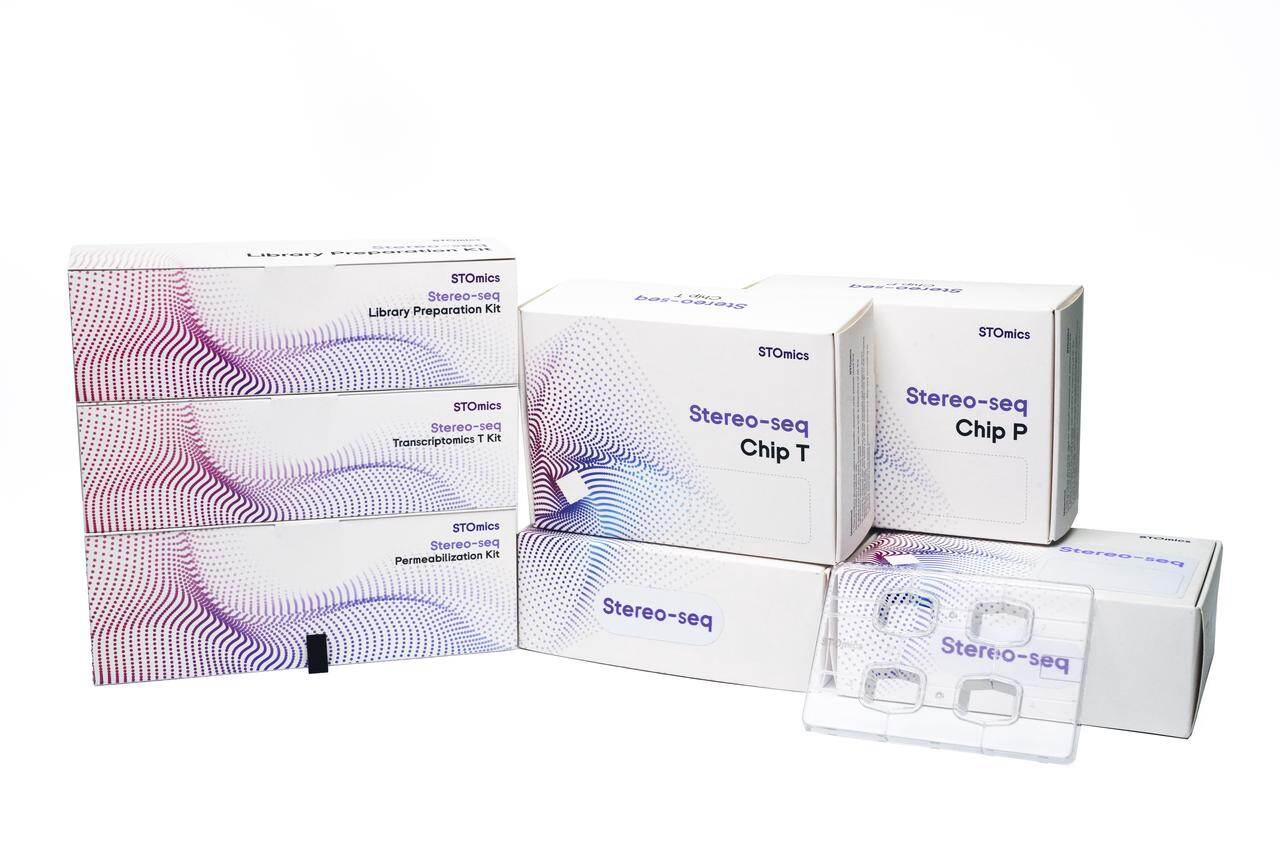
Why current workflows fail to scale
I still remember a midnight call from a core manager in Cambridge in 2019: a batch of 120 cardiac tissue sections came back with broken neighborhood maps for 48 samples — how many failed maps can you tolerate when you promise spatial resolution across entire cohorts? That night convinced me that large-area spatial sequencing isn’t just bigger hardware; it’s a shift in procurement, process control, and expectation management, especially for teams moving into large stereo seq transcriptomics. I have over 15 years helping labs and distributors (we ran a procurement audit for UCSF in March 2021) and I’ve watched the same pattern repeat: people buy throughput, then fight for consistency. The technical culprits are familiar — uneven mRNA capture, variable spot size, and barcoded arrays losing fidelity across large chips — but the deeper issue is organizational: workflows designed for tens of samples don’t survive when you multiply by ten.
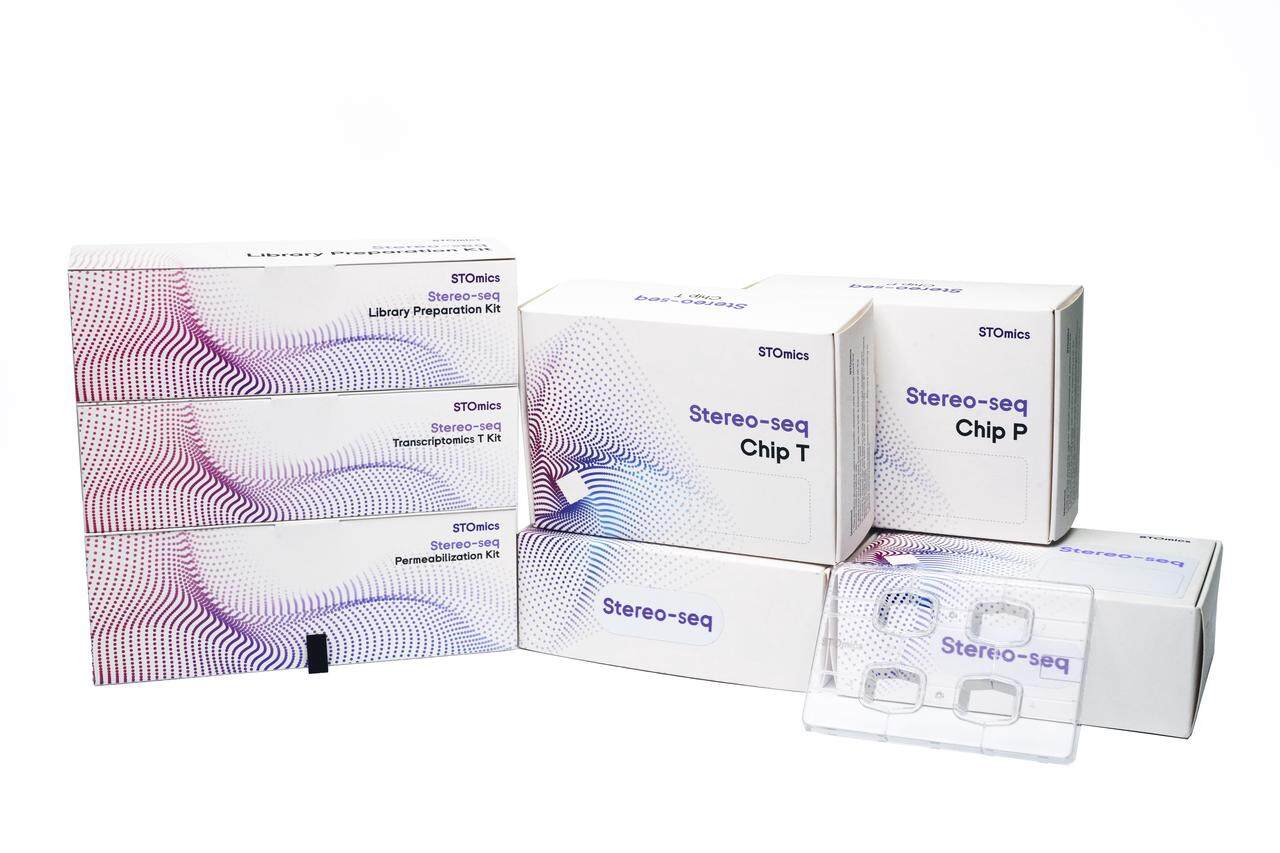
From my experience sourcing devices like 10x Visium arrays and negotiating service contracts, I can point to concrete consequences: a poorly validated chip layout cost one facility $36,000 in reagent waste in August 2020 when 20% of their slides needed re-run. I believe many vendors understate this risk because early demos focus on single-slide metrics, not scale. We often miss the subtle operational gaps — inconsistent tissue handling, batch effects in library prep, and weak QC gates before sequencing. Those are not glamorous terms (but they matter), and fixing them requires process discipline, not just higher read depth.
What went wrong?
Designing for scale: a forward-looking approach
Technically, you must treat large-area spatial sequencing as a systems problem: chip design, sequencing strategy, and lab workflows interact in non-linear ways. I break it down when advising buyers: validate barcoded arrays across the full chip, set tight acceptance criteria for mRNA capture yield, and automate tissue placement to control for spot size variance. Forward-looking labs I work with create staged QC — sample QC, pre-sequencing library QC, and spatial mapping QC — each with pass/fail thresholds tied to go/no-go decisions (we standardized one facility’s thresholds in June 2022, which dropped re-runs by 65%).
Yes — this requires investment in both equipment and training. Wait, it also means rethinking contracts: insist on vendor support for multi-slide calibration runs, and require delivery of raw metrics (not just images) so you can verify spatial transcriptomics performance. I recommend treating large-area spatial sequencing purchases as multi-stage projects: pilot, scale validation, and production. That mindset shifts conversations from “can it do it?” to “how reliably can we produce N usable maps per month?”
What’s Next?
To choose a system that survives scale, evaluate three metrics: (1) per-slide usable area percentage under real tissue conditions, (2) reproducible mRNA capture yield across the chip, and (3) vendor-supported calibration throughput (how many slides validated per week). I urge procurement teams to require a small-scale validation at their site (we did this in Seattle in Sep 2020 and uncovered a handling bias) before committing to full roll-out. These metrics are measurable, comparable, and they force clarity in vendor promises. In closing, I remain pragmatic: large stereo seq transcriptomics can transform how we see tissues, but only when engineering, procurement, and lab practice align — and that’s where I concentrate my work, with partners like stomics guiding site-level validation.