
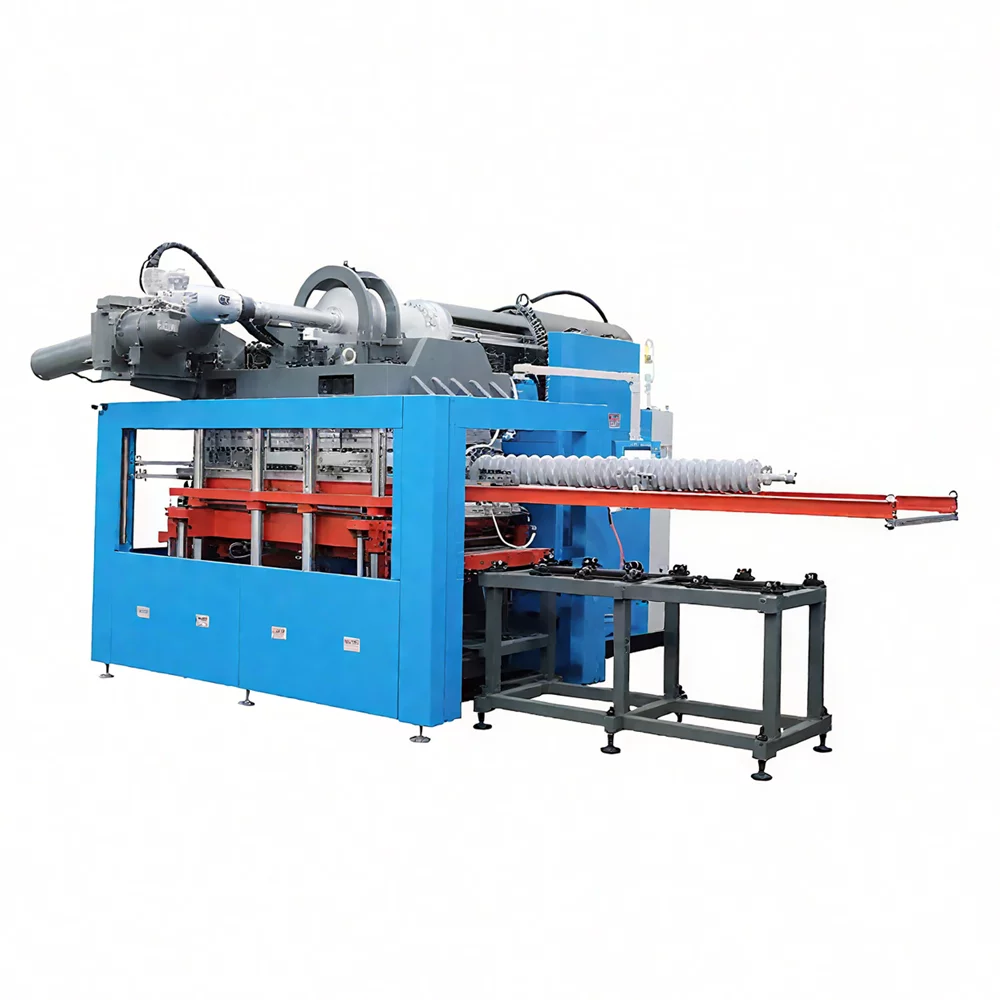
Platen parallelism: the quiet troublemaker in C-frame rigs
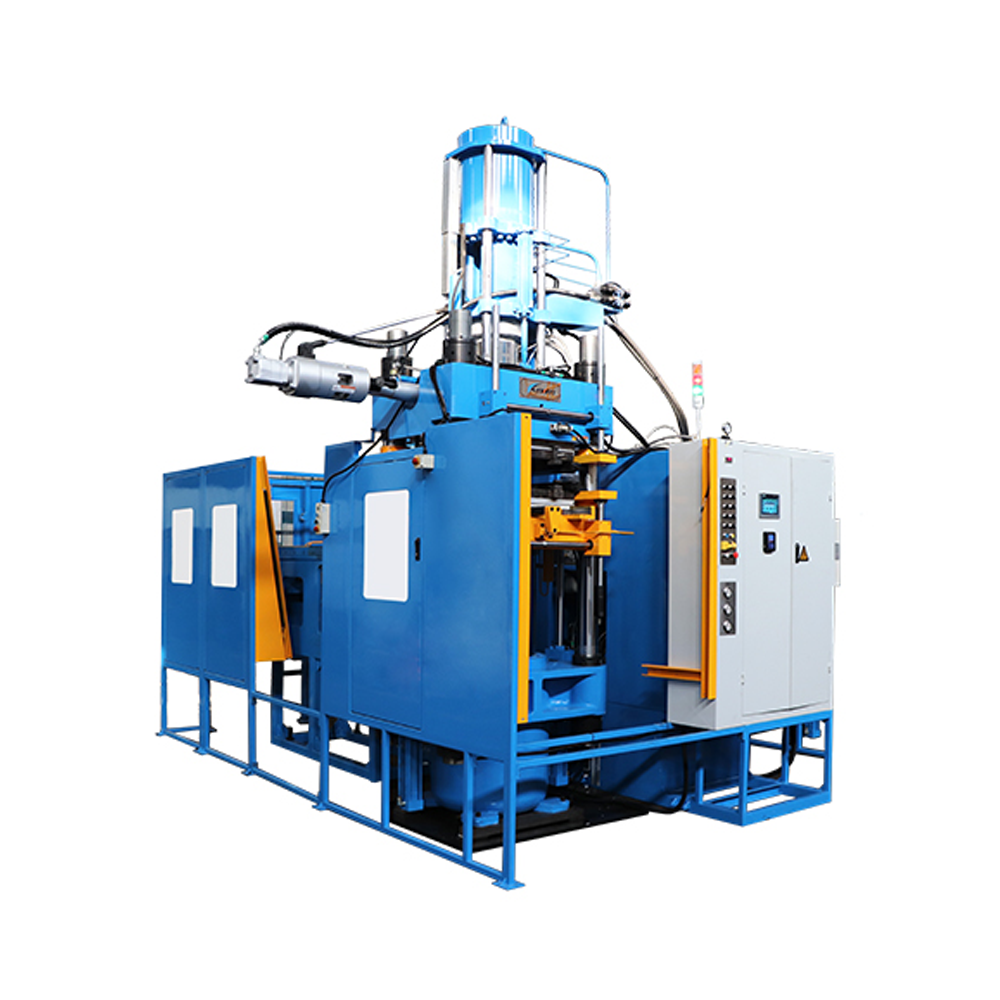
Platen parallelism isn’t flashy, but it decides if your parts meet spec or end up reworked. On C-frame rubber injection molding machines, tiny deviations in platen alignment change cavity sealing and alter shot distribution. I’ve seen this first-hand on a Durban shop floor where a misaligned platen made gauge readings drift across a run — and fixing it halved scrap. That kind of hands-on lesson is why I mention specific kit like the vertical rubber injection molding machine early: different architectures behave differently under the same tolerances. Industry words to keep in mind here: platen, C-frame, gauge uniformity.
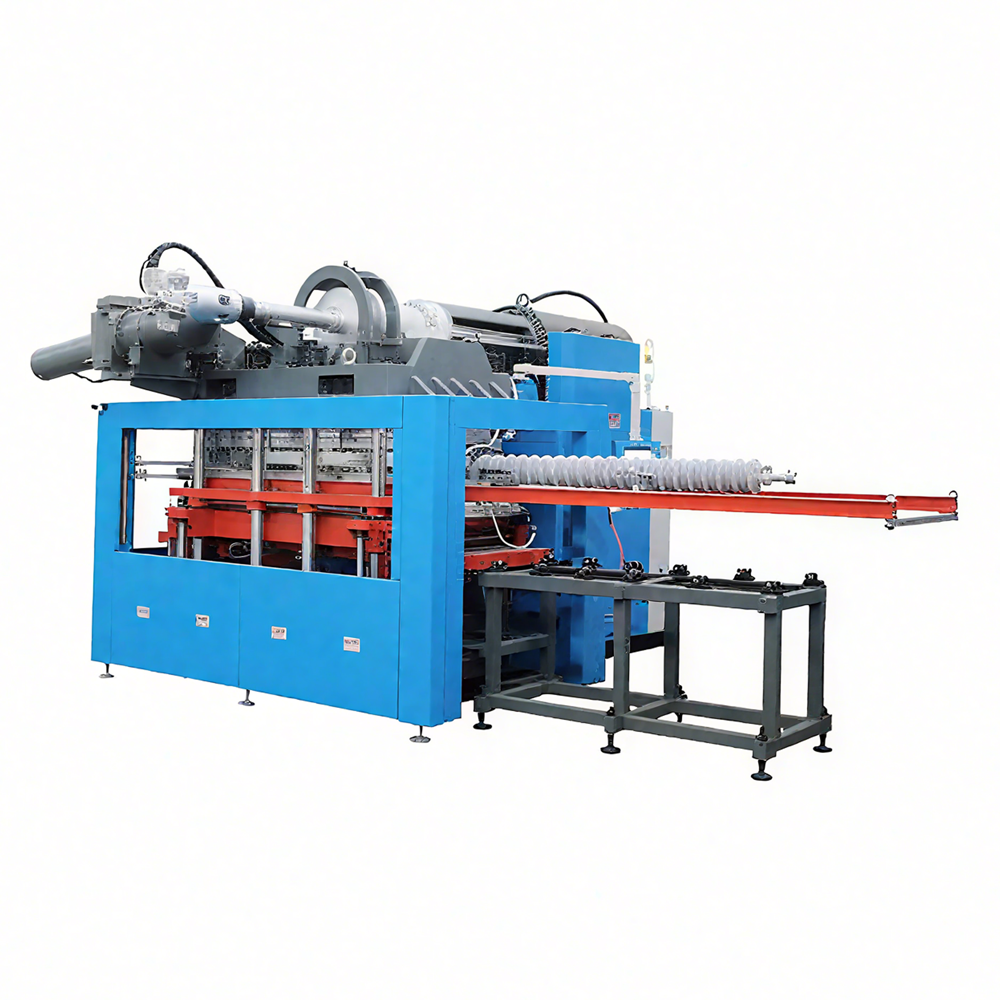
Comparing C-frame behaviour to vertical and toggle machines
C-frame rigs are compact and accessible, lekker for smaller moulds, but they trade off stiffness. Compared to a vertical or a rigid toggle setup, the C-frame concentrates clamping force asymmetrically, so any platen parallelism fluctuation shows up as uneven cavity fill and inconsistent shot size. In contrast, a dedicated rubber vertical injection machine often uses gravity and symmetric platen support to keep mold alignment tighter under load. Injection pressure and clamping force play different roles depending on the frame: you’ll see more localized deformation on C-frames and more global behaviour on twinside platens.
How gauge uniformity degrades — practical signs and quick checks
Spot the symptoms early. If dimensional spread creeps across a batch, or the leading edge of parts shows flash while the trailing edge is short, platen skew is a likely villain. Measure at multiple cavity points rather than relying on a single gauge; uneven variance is the giveaway. Use feeler gauges, a portable dial indicator, or a simple laser alignment check to map parallelism. Avoid overcorrecting by shimming without understanding the root cause — that only hides the problem. Also watch for mould alignment and runout on the injection ram; these amplify the effects of platen misalignment.
Common mistakes and better alternatives
Shops often tighten clamp pressure and crank up injection speed to chase rejects — a blunt approach. That masks symptoms but raises wear and risk of flash. Instead, start with a truth-telling maintenance routine: check platen faces for flatness, ensure tie-bars aren’t bent, and verify mold mounting surfaces are clean and flat. — A small grit or burr on a platen face can shift readings enough to ruin a whole set. If the floor layout allows, consider swapping particularly sensitive jobs to a vertical machine or a more rigid press. Mold alignment tooling and matched-centerline fixtures reduce sensitivity to small platen errors.
Testing protocols and the measurements that matter
Comparative testing is your friend. Run side-by-side trials: same mould in the C-frame and in a vertical or toggle press, keep shot size, injection pressure, and cure cycle identical, then compare gauge uniformity over 100–200 parts. Track clamping force, shot-to-shot variance, and cavity pressure if you can. Cavity pressure transducers give clear evidence where material flow diverges because of platen skew. These tests tell you whether the machine architecture, mould setup, or process window needs work — not just where the parts fail.
Advisory: three golden rules for choosing or tuning machines
1) Measure the effect, don’t guess it. Quantify platen parallelism and cavity pressure before changing process parameters. Use repeatable gauges and log the data. 2) Match machine stiffness to part tolerance. If you need tight gauge uniformity across multi-cavity moulds, prefer rigs with symmetric support or a robust vertical platform. 3) Prioritise fixture and mould alignment over brute-force settings; proper alignment reduces sensitivity to platen drift and extends mould life.
These three metrics — platen parallelism (microns), cavity pressure variance (bar), and shot-to-shot weight consistency (grams) — will steer decisions and predict outcomes. The practical value shows up on the factory floor: fewer rejects, steadier cycle times, less frantic tweaking.
Final thought — when you want machines that behave predictably, it’s less about horsepower and more about geometry, maintenance, and the right platform for the job. HWAYI. —