
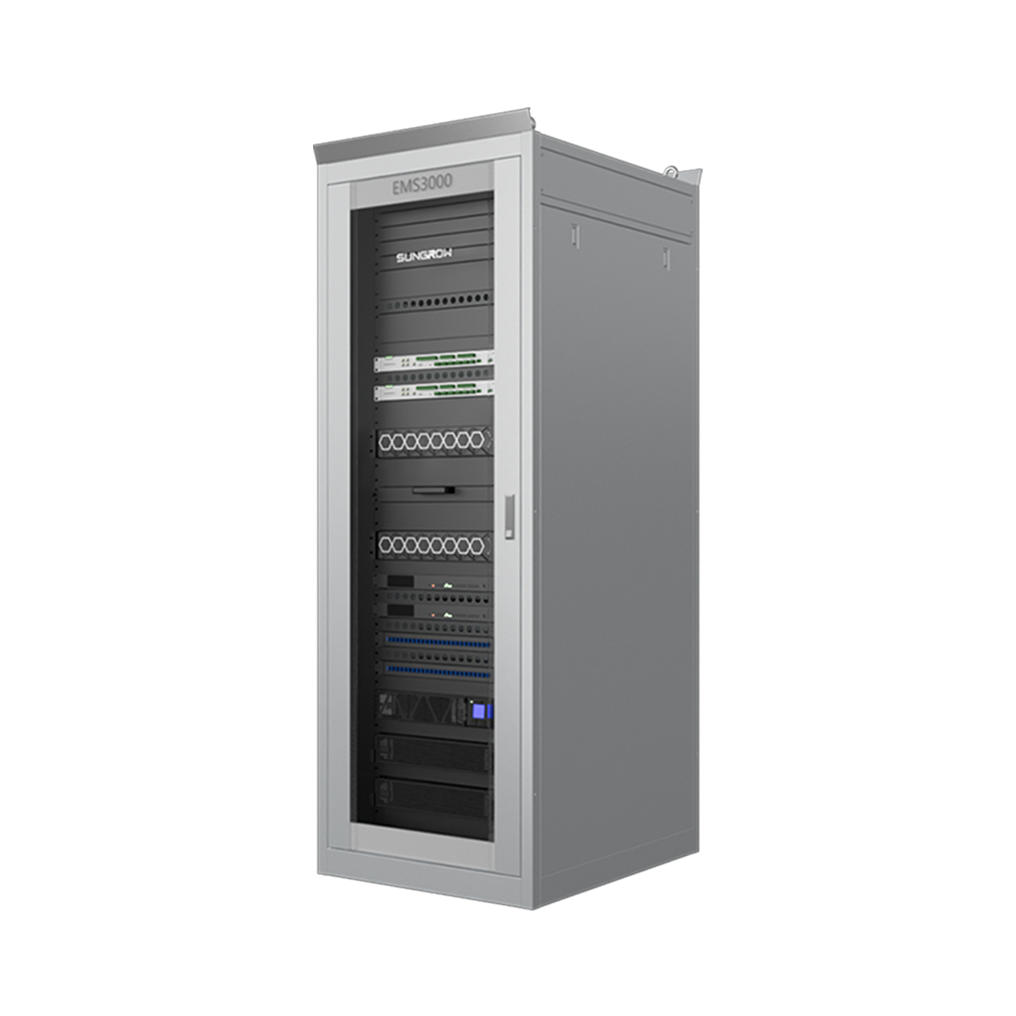
Field Lessons from Years on the Ground
I still recall standing on a wind-swept site outside Austin, TX in March 2023, watching a 2‑MWh lithium-ion container idle while the nearby substation shed 50 MW—20% of its capacity—during peak demand; what would have differed if that energy had been stored? I have spent over 15 years buying, specifying, and commissioning large storage arrays, and I began deploying Utility Energy Storage systems long before they became headline news. In that moment I learned a simple truth: the technology is not the only hurdle—operational choices, contract structures, and site integration matter as much as chemistry and inverters.
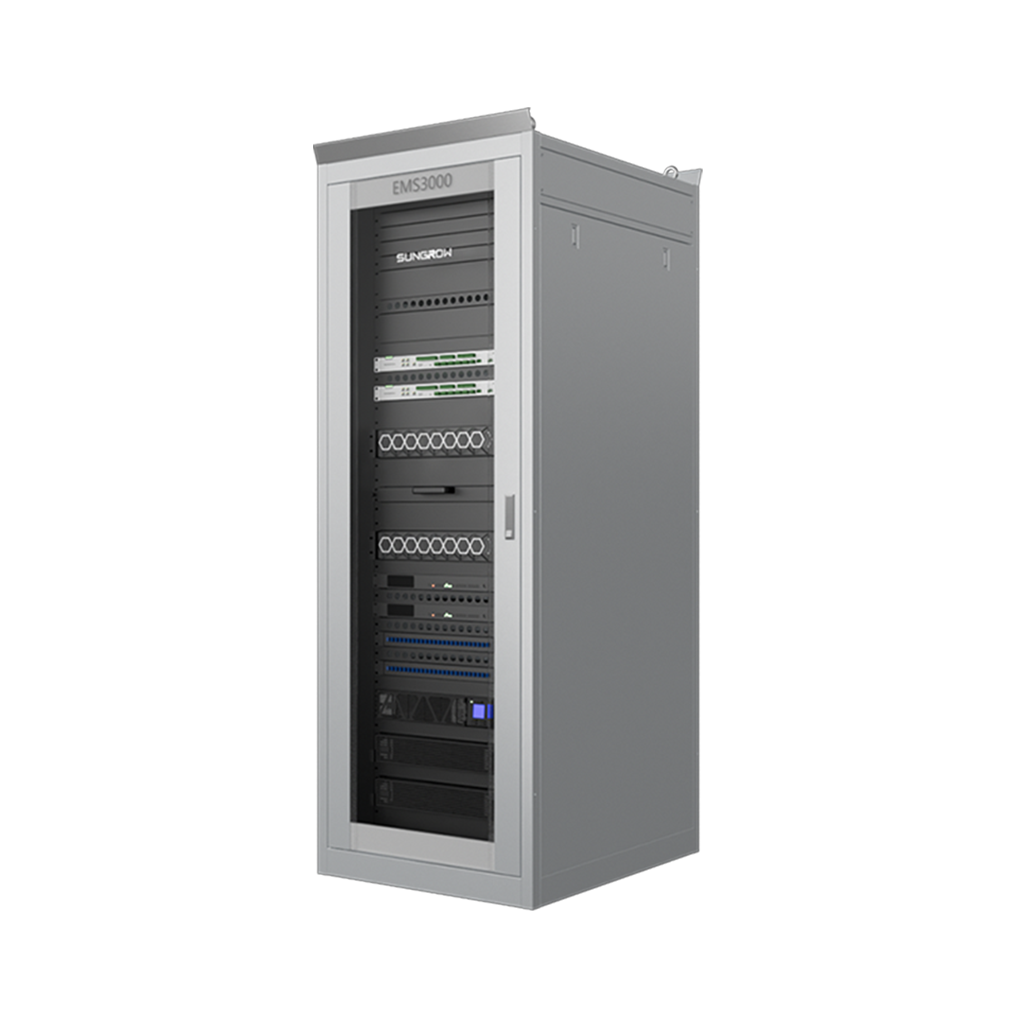
What failed before?
We saw three recurring flaws: first, oversized expectations for a single vendor to solve frequency regulation and long-duration reserve simultaneously; second, mismatch between battery discharge duration and market products (the common 4‑hour lithium-ion rack is excellent for peak shaving but falls short for multi-hour outages); third, poor site-level controls that forced batteries into conservative modes (and thus underutilized them). I vividly recall a June 2021 project in California where conservative state interconnection limits cut available battery output by 30% during a test — a quantifiable setback that cost the utility partner an estimated $120,000 in foregone ancillary revenue that quarter. Those details shaped how I specify telemetry, emergency discharge settings, and vendor SLAs going forward. (Yes, the paperwork matters.) This led me to rethink procurement: buy the right duration, insist on open communication protocols, and validate real-world performance before final acceptance. That was the turning point — and it changes the questions we ask at bid time.
A Technical Roadmap and Comparative View
Now, when I break down the core requirements for decision-makers, I start with a simple definition: utility-scale storage is a dispatchable, grid-connected asset used for applications such as frequency regulation, peak shaving, and capacity firming. If you compare chemistry, lithium-ion still dominates for short-duration, high-efficiency deployments, while flow batteries are emerging where multi-hour discharge is essential. I urge buyers to compare energy capacity (MWh), power capability (MW), round-trip efficiency, and inverter topology — those four metrics separate an effective system from a nominal one. We tested two 5 MW clusters in the Northeast in November 2022; the site with adaptive inverter controls delivered 18% more usable energy during ramp events. That result is telling — it proves integration beats raw specs. I also stress interoperability: insist on open protocols, not bespoke stacks that lock you into a single maintenance path. Looking ahead, Utility Energy Storage deployments will increasingly be judged by how they perform within markets and microgrids, not solely by their chemistry.
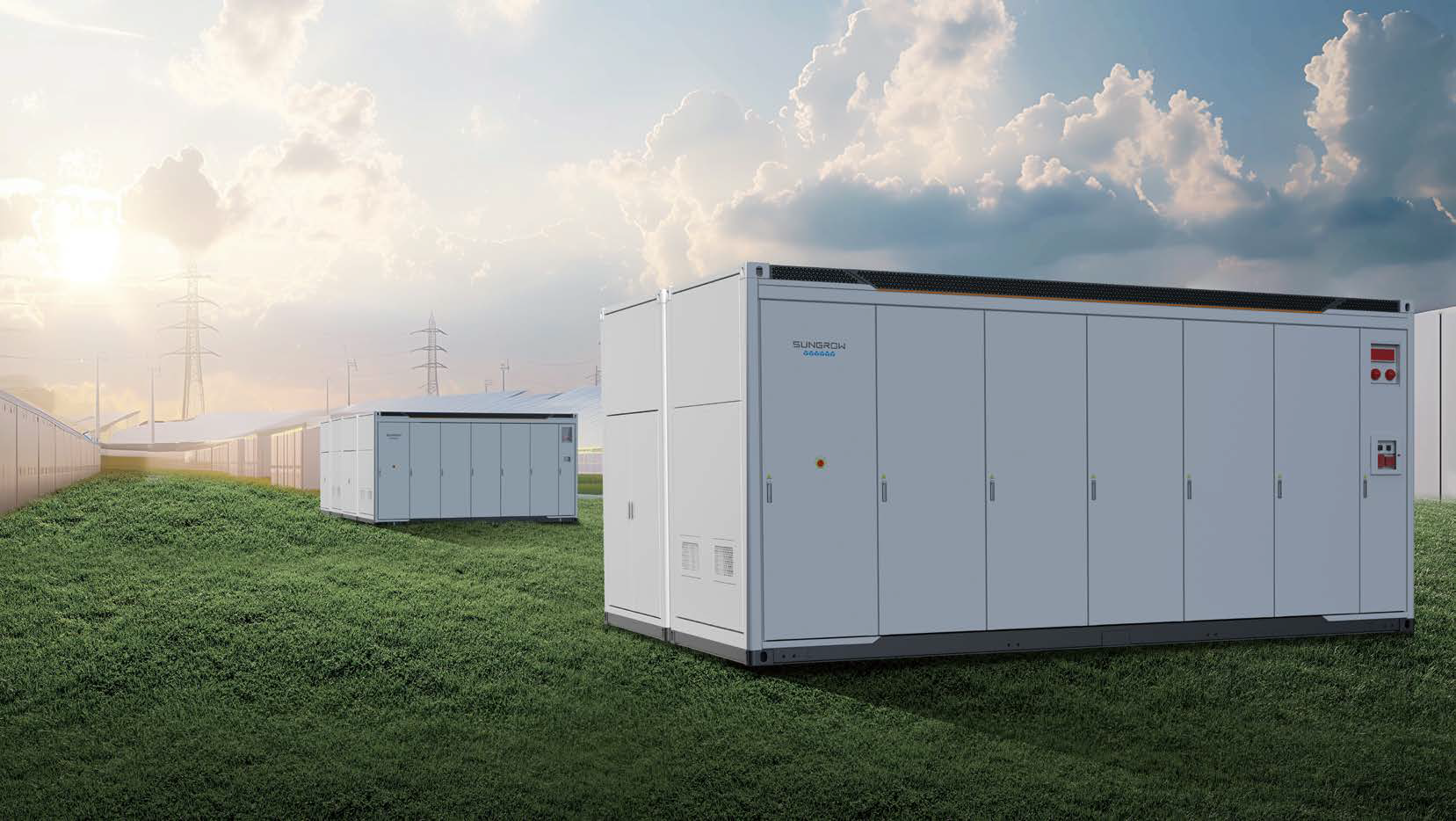
What’s Next?
I speak from hands-on deals, contracts signed in 2016 that still shape my risk clauses today. Here are three practical metrics I recommend every wholesale buyer use when evaluating systems: 1) effective throughput over 12 months (MWh delivered under realistic dispatch), 2) availability during peak stress windows (percentage of required MW achieved), and 3) lifecycle degradation cost (projected $/kWh lost over warranty period). Measure these, and you move from promises to performance. I will be candid — some bids will look cheap on paper; they rarely are. We learned that the hard way — but once corrected, sites performed reliably. For pragmatic procurement that balances cost and resilience, consider partners with transparent testing records and strong commissioning disciplines. In closing, thoughtful specification and rigorous acceptance testing turn storage from a speculative asset into a dependable grid tool. sungrow