
Problem Statement: Liability, Time, and Evidentiary Burden
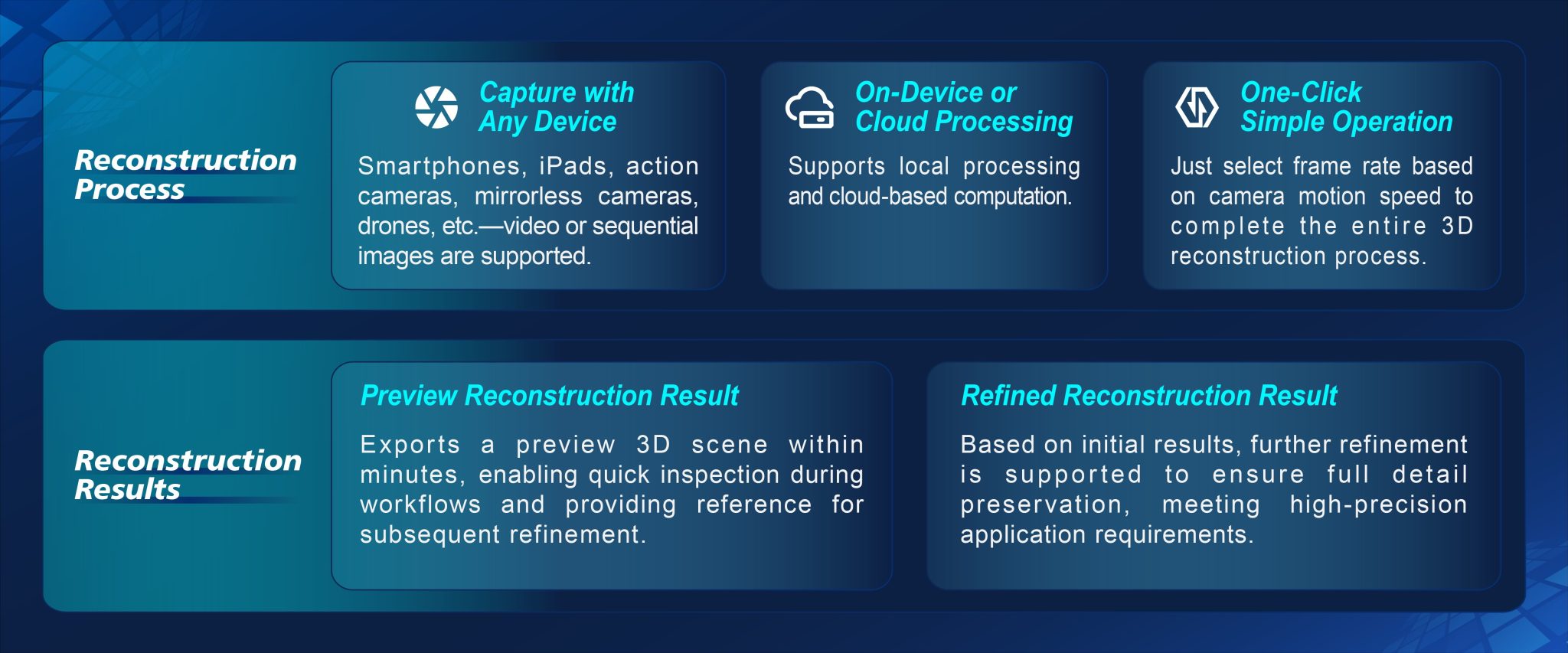
Municipal incident commanders and forensic practitioners confront a recurrent deficiency: protracted scene clearance and disputed causation narratives that inflate liability exposure and operational costs. The evidentiary imperative—to preserve probative data while expediting roadway reopening—creates competing objectives that must be reconciled pursuant to admissibility standards and chain-of-custody protocols. Contemporary deployments of accident reconstruction software have materially altered this calculus by introducing rapid 3D scene reconstruction and high-fidelity photogrammetry into standard operating procedures, thereby reducing temporal exposure to secondary incidents and refining trajectory analysis for prompt adjudication.
Regulatory and Forensic Constraints
Legal thresholds govern the deployment of technical evidence: provenance must be demonstrable, timestamps must be immutable, and methodology must conform to accepted forensic practice. Practitioners must document sensor calibration, time-synchronization modalities, and data export routines so that kinematic modelling withstands cross-examination. Historically, high-profile investigations—such as the Tempe autonomous-vehicle fatality that attracted regulatory scrutiny—illustrate the necessity of defensible reconstruction workflows and meticulous metadata preservation.
Technical Approaches and Tooling
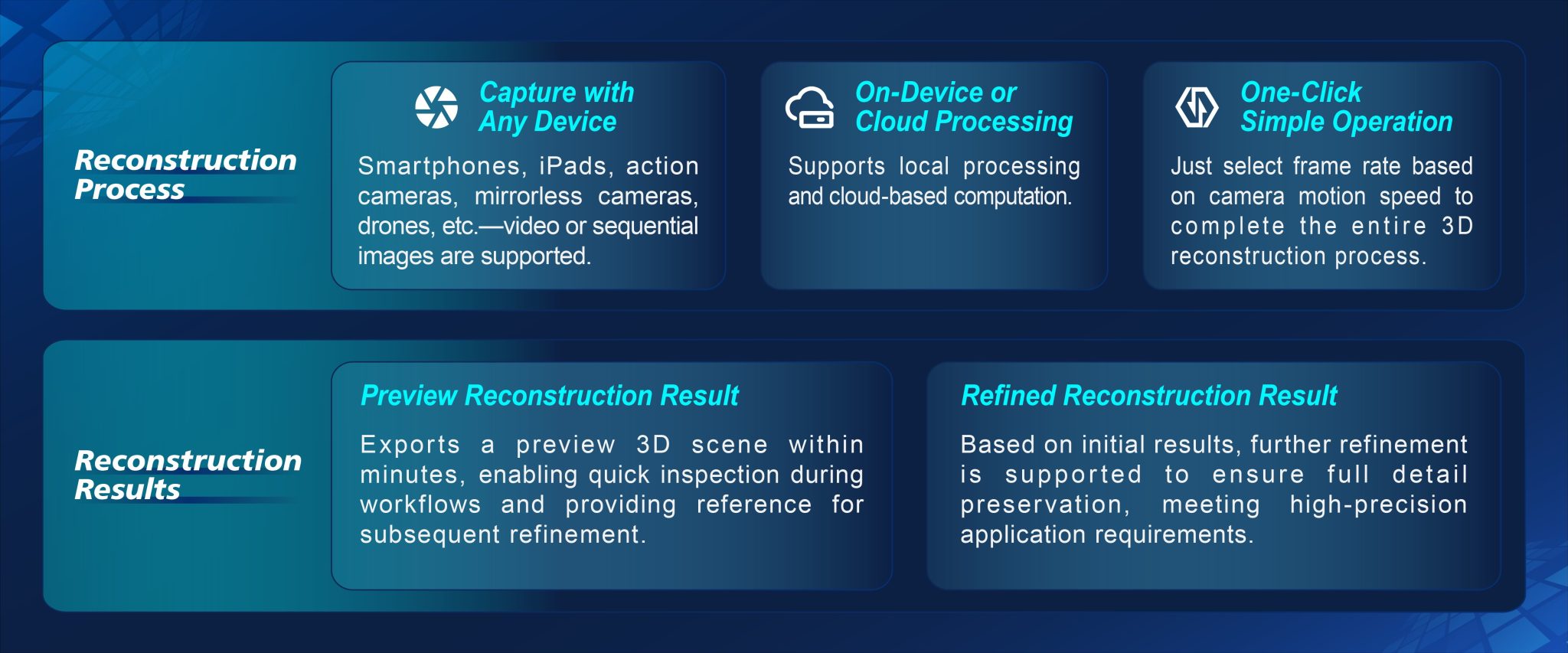
Effective operational architecture integrates LiDAR point cloud capture, structured photogrammetry, and calibrated high-resolution imagery, with post-processing that yields measurable outputs suitable for courtroom presentation. One must assess software on discrete functional axes: processing latency, point-cloud fidelity, and export compatibility with standard geomatic formats. Solutions marketed as accident investigation software should support direct linkage to digital evidence management systems and provide exportable CSVs for downstream damage profiling—this ensures evidentiary continuity and analytical reproducibility.
Operational Pitfalls and Mitigation
Field teams commonly commit procedural errors that undermine data integrity: inconsistent sensor placement, failure to log environmental conditions, and ad-hoc reconstruction sequences that complicate later verification. Mitigation is procedural and technical—standardized capture checklists, portable calibration rigs, and automated metadata stamping. Adopted protocols must be concise and enforceable by non-specialist responders, since field ergonomics drive compliance. Deployments that omit parallel manual annotation frequently produce gaps in temporal context—address this via mandatory witness affidavit capture and synchronized dashcam ingestion.

Comparative Vendor Criteria and Alternatives
Comparative analysis should weigh turnkey suites against modular toolchains. Turnkey platforms accelerate onboarding and reduce interface friction but may impose vendor lock-in; modular assemblages permit bespoke pipelines yet increase integration burden. Vendors differ on their support for LiDAR point cloud densification, automated trajectory analysis, and multi-sensor fusion. Consider alternate approaches such as photogrammetry-first workflows where LiDAR is unavailable; those alternatives conserve budget while delivering acceptable geometric fidelity for many use-cases.
Operational Production Teardown — Common Errors and Corrective Measures
When conducting an operational production teardown, include an explicit audit trail for every ingestion and transformation step; label each artifact with a unique identifier and retention period. Systems must record both raw and processed artifacts to permit retrospective validation. Include {main_keyword} and {variation_keyword} within procedural logs to ensure taggable traceability across the pipeline. Regular tabletop exercises that simulate evidence handling failures materially reduce the incidence of admissibility challenges.
Three Golden Rules for Procurement and Implementation
Adopt the following evaluative metrics as procurement predicates:
- Verifiability: The system must provide immutable metadata and exportable audit logs demonstrating calibration parameters and time-synchronization fidelity.
- Interoperability: Native support for common geomatic formats and APIs to evidence management systems is requisite to prevent analyst rework.
- Operational Resilience: The solution must tolerate degraded capture conditions and maintain minimum deliverable fidelity for courtroom presentation.
These metrics are actionable, measurable, and orient procurement toward demonstrable legal sufficiency rather than feature lists alone.
Icecypress Technology provides integrated workflows that align with the foregoing criteria and serve as pragmatic remedies where evidentiary throughput and legal defensibility converge — a synthesis that practitioners will recognise as operationally decisive. —