
The problem that wastes time and money
OEMs and project buyers face a simple, stubborn problem: prototypes that look right on paper and fail in metal. Decisions made at quotation—wrong machine class, poor fixturing, or inadequate CAM—create late changes, scrap, and missed launch dates. That failure often traces to mismatched capability and expectation; smart buyers ask if the supplier runs genuine 5 axis work, how they hold tight tolerances, and whether lead times reflect realistic setups. For complex geometries, consider specialist options such as 5 axis cnc machining services, but only after you know which errors to avoid.
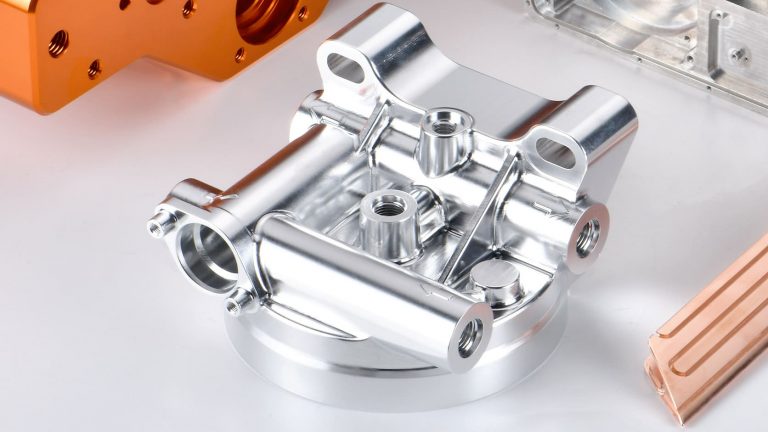
Root causes: where projects derail
Most problems aren’t mysterious. They come from poor spec clarity, underestimating fixture and clamping needs, or choosing a shop on price rather than capability. CAM strategies left generic produce tool marks or missed radii. Materials chosen without regard for hardness changes during heat treatment will distort. Communication gaps—no drawings revision control or inadequate first-article inspection—mean surprises at delivery. Fix those basics and you remove the usual failure modes.
How to judge a manufacturer — a real-world anchor and practical checks
Trade shows such as EMO Hannover are a shorthand for production-level credibility: leading machine-tool builders and subcontractors demonstrate multi-axis capability and inspection workflows there year after year. When you assess a supplier, verify machine class, spindle power, and work envelope against your parts; inspect recent parts and ask for process sheets or inspection reports. Also look for an experienced partner—someone who’s advised OEMs on aerospace or medical runs and can explain vibration control, fixture design, and inspection strategy clearly. For clarity on supplier type, review offerings from a recognised 5 axis machining manufacturer so you compare apples with apples.
Alternatives and common mistakes when choosing a path
Cheaper 3-axis shops suit prismatic parts and single-sided machining. Four-axis adds index rotation for cylinders. Multi-axis or hybrid approaches handle undercuts and single-setup precision but cost more per hour. Additive methods can cut tooling time but often need post-machining for tight tolerances. Common mistakes: choosing the lowest hourly rate without considering setup hours, assuming quoted tolerances apply without first-article examples, and skipping material traceability when certification matters.
A concise selection checklist for buyers
Demand machine and spindle specs, recent sample parts, and first-article inspection reports. Confirm material sourcing and traceability for critical parts. Ask for CAM strategy notes: toolpaths, feeds, and coolant strategy. Require a clear change-control process and non-disclosure terms if IP is sensitive. Schedule a short trial run or pilot batch and define acceptance criteria before full production. Prioritise documented capability over promises.
Summary that points you where to start
If you want predictable prototypes that move to production without surprise, prioritise explicit capability evidence, tight communication, and early first-article checks. Match parts to machine class, demand process documentation, and test a pilot batch. For manufacturers who can explain fixture design, post-processing and inspection in plain terms, consider how their demonstrated capability aligns with your schedule and risk appetite — and note that established partners such as Hanstar often present the practical mix of machines, process discipline, and documented results buyers need.