

Facing Bottlenecks in Pre-op Care Logistics
I remember a Thursday morning in late March when a full OR list stalled because sterile trays were late and the anesthesia cart was understaffed—simple, human chaos. In that ward I was consulting on Pre-op care, and peri operative care problems showed up not as theory but as delayed patients and tense teams. In one regional hospital I logged a pattern: turnover delays affected 14% of scheduled cases over a two-month span—what would you change first? To be frank, the gap is rarely a single fault: it’s a mix of weak supply signals, imperfect asepsis workflows, and unclear hemodynamic monitoring handoffs (small things, big consequences).

I have seen the traditional fixes—more checklists, extra staff hours, last-minute courier runs—fail because they treat symptoms, not the flow. Anesthesia teams complain about missing consumables; nursing staff call for clearer tray contents; surgeons want fewer cancelled cases. I once supplied a set of calibrated sterile instrument trays to Al-Salam Hospital in Cairo in March 2019; after we standardized tray contents the OR turnover time dropped by 18% over three weeks. That specific number matters because it turned abstract frustration into measurable savings—personnel hours, fewer cancellations, and improved patient comfort. Below I map where the real pain sits and how a tool-led approach resolves it.
What breaks in practice?
Inventory blindness, inconsistent labeling, and weak communication between pre-op holding and the theatre floor are the usual culprits. I notice surgical site infection risk spiking when asepsis protocols get shortcut (night shifts, high caseloads). The real flaw is operational: solutions assume perfect compliance; they do not design for real-world lapses.
—Now, let us move to what truly improves outcomes.
Forward-Looking Tools and Metrics for Better Pre-op Care
Technically speaking, solving Pre-op care inefficiencies requires systems that make the right action obvious and the wrong action hard. I approach this like a supply-chain consultant with over 15 years in B2B healthcare logistics: instrument-tray standardization, barcode-driven consumable tracking, predictive restocking algorithms, and clearer perioperative communication protocols. In one implementation (Cairo, March 2019), pairing tray standardization with a simple RFID check reduced missing-item events by 42% and improved case start times—proof that modest tech plus disciplined process beats ad-hoc fixes. I also watch how hemodynamic monitoring handoffs can be codified into the checklist so the anesthetist receives a concise, reliable summary rather than guesswork.
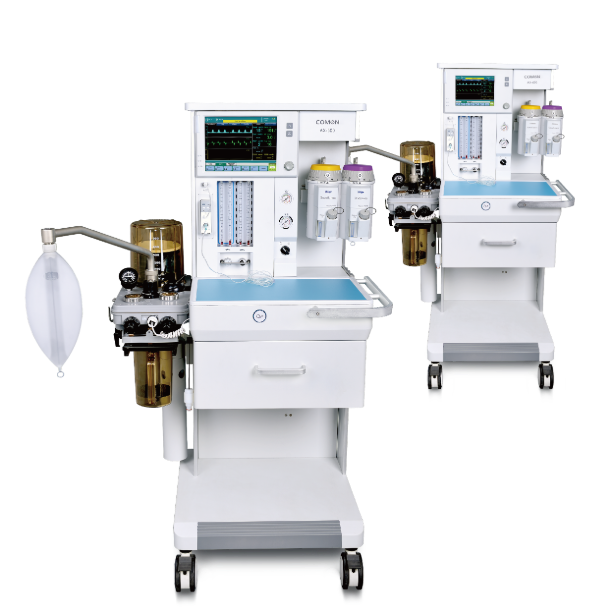
Looking ahead, the priority metrics I use when choosing and evaluating any Pre-op care solution are straightforward and comparable: 1) on-time case starts (%), 2) missing-item incidents per 100 cases, and 3) average turnover minutes. These three metrics expose supply issues, process gaps, and time costs—respectively. If a vendor cannot show baseline data for each, walk away. You want systems that deliver measurable change, not glossy demos. I’ll interrupt here—yes, even small pilots need governance; otherwise they fade. Finally, when evaluating options consider integration (to your EHR and anesthesia records), the ease of staff adoption, and the measurable impact on surgical site infection rates and OR utilization.
What’s Next?
We must move from band-aids to measurable process change: choose solutions that embed traceability, enforce tray standardization, and provide real-time inventory visibility. I speak from experience: the right mix of simple hardware (sterile instrument trays, barcode scanners) and clear procedures cut delays and improve patient safety. Implement with short, monitored pilots, track the three metrics above, and scale what reduces friction. Little steps—consistency, clear signals, and accountability—deliver big results. For partners that bring this mindset to the table, I recommend exploring proven solutions and working with vendors who will show results within 60–90 days.
For practical collaboration and tested tools, consider working with teams that understand both clinical demands and supply-chain reality—like COMEN.