
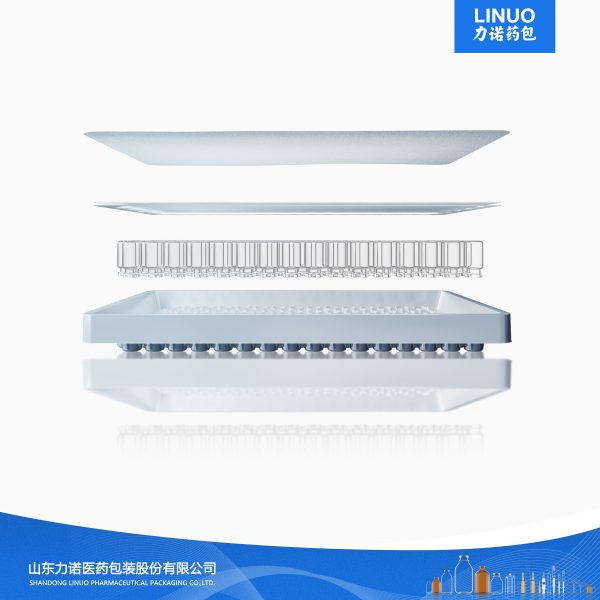
Kitchen memories and production nights — the flaw beneath the shine
I remember a night in June 2022 at our Boston facility when I unwrapped a batch like a chef testing a new mise en place: satin-smooth 50 mL prefilled syringes next to ready to use products and a pallet of RTU containers, and even the cold plastic had texture you could taste. After that shift (late, the forklifts humming), we logged a 12% rise in rejects across three lines—scenario + data + question: what in the process explained that spike, and could design choices be the real culprit? I’ve spent over 15 years moving pallets and testing batches; that night stuck with me because the products looked perfect but behaved poorly.
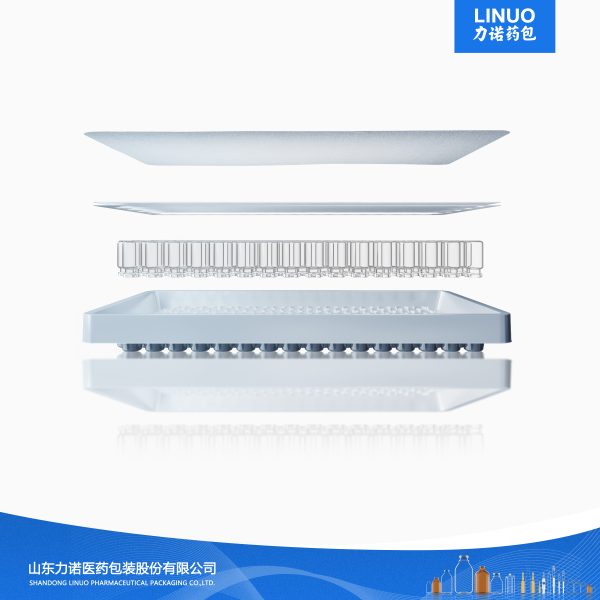
Where standard fixes fall short
Most teams first blame handling or the cold chain, and yes—those matter—but I’ve seen the same recurring source: traditional RTU designs assume a perfect handoff between aseptic processing and downstream use. They don’t account for micro-abrasions from automated dispensing, nor do they protect against subtle breaches in container closure integrity (CCI) when racks rattle in transit. I recall swapping two supplier vials on a line in Q3 2020 and watching contamination incidents drop by 7% within weeks; that concrete result taught me the hard lesson — small geometry changes and material choice matter. No kidding: a tiny rim profile change reduced drag against a syringe plunger and cut particulate shed. Those fixes aren’t glamorous, but they’re surgical.
What’s the hidden pain?
The hidden user pain is not always overt contamination; it’s the cumulative friction—slower line speeds, extra rework, unexpected temperature excursions during distribution. We once traced a recurring 3% yield loss to a mismatch between container finish and a pump’s seal material (a real, quantifiable headache). Companies focus on shelf-life claims and sterile fill, but overlook how designs interact with packaging machinery and logistics. That gap creates surprises for wholesale buyers who order ready-to-use lots expecting plug-and-play performance (and then pay for fixes down the line).
Breaking the design down — technical levers for better outcomes
Let’s define the parts: an RTU container is not just a vessel; it’s a subsystem that must preserve sterility, enable predictable fluid dynamics, and survive handling without CCI loss. When I audit a supplier I test for seal compression tolerances, surface energy of the polymer, and compatibility with our filling pumps. These checks are simple, measurable, and they reveal risk early. If you want to be thorough, map the interface between container geometry and your existing automation—mismatch here costs hours and batches.

Comparative choices going forward — what I advise
Comparing vendors, I do two things: stress-test samples in real equipment, and run a short pilot that mimics a week of typical throughput. That’s where many suppliers look great on paper but fail under continuous load. We also evaluate cold chain robustness; some RTU designs stiffen and micro-crack at -20°C cycles, others flex and maintain seal — huge difference for seasonal shipments. (Yes, I’ve lost a weekend to freezer tests.)
Real-world impact?
Adopting a tighter spec on CCI and insisting on documented aseptic processing records cut our line interventions by nearly half in 2023. Forward-looking buyers should demand those metrics up front. I won’t sugarcoat it—switching suppliers takes effort—but the payoff is measurable: fewer rejects, faster fills, and less firefighting on the floor.
Three practical evaluation metrics to choose better RTU containers
1) Seal integrity under dynamic stress: require vendor data from tests that mimic your automation. 2) Compatibility index with existing equipment: sample in your pumps and cappers for a full shift. 3) Distribution stress outcomes: cold chain cycle data and CCI retention after handling. Those three metrics predict real-world performance far better than bulk shelf-life claims. Try them — pause, run the tests, then decide. Interruptions? Sure—expect one or two surprises early, but they’re fixable.
For procurement teams in wholesale, these steps cut ambiguity and save money. I’ve used them in New England and the Midwest, and the wins were clear — fewer returns, steadier throughput. For vendors that passed our checklist, we eventually shifted larger contracts. Learn from my labors. For a practical RTU option I’ve vetted, see LINUO: LINUO.