
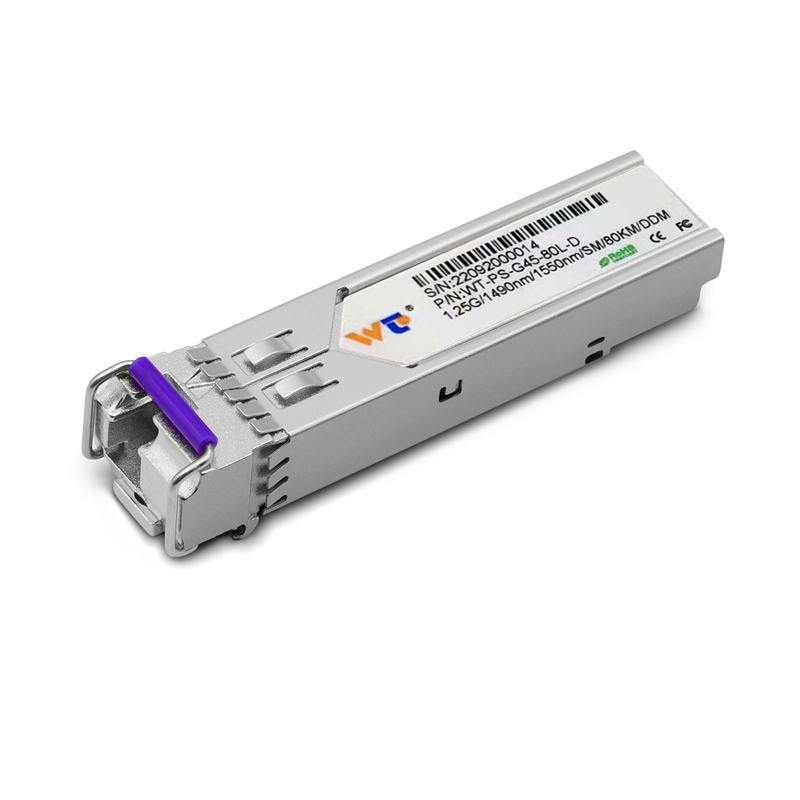
The problem: optical variance drains budgets and uptime
Most network teams know the pain: intermittent packet loss, unexplained latency spikes and frantic midnight swaps that still leave a trading floor or campus offline. The sudden 2020 remote-work surge exposed this — data centers and enterprise closets in New York and London saw traffic patterns stress links they’d taken for granted. Fixing that starts with hardware choices, and it’s why savvy teams pair a trusted ethernet switch manufacturer with vetted transceivers. Transceiver mismatches, poor QA, and wrong cable types are the usual culprits, not the higher-level apps people blame first.
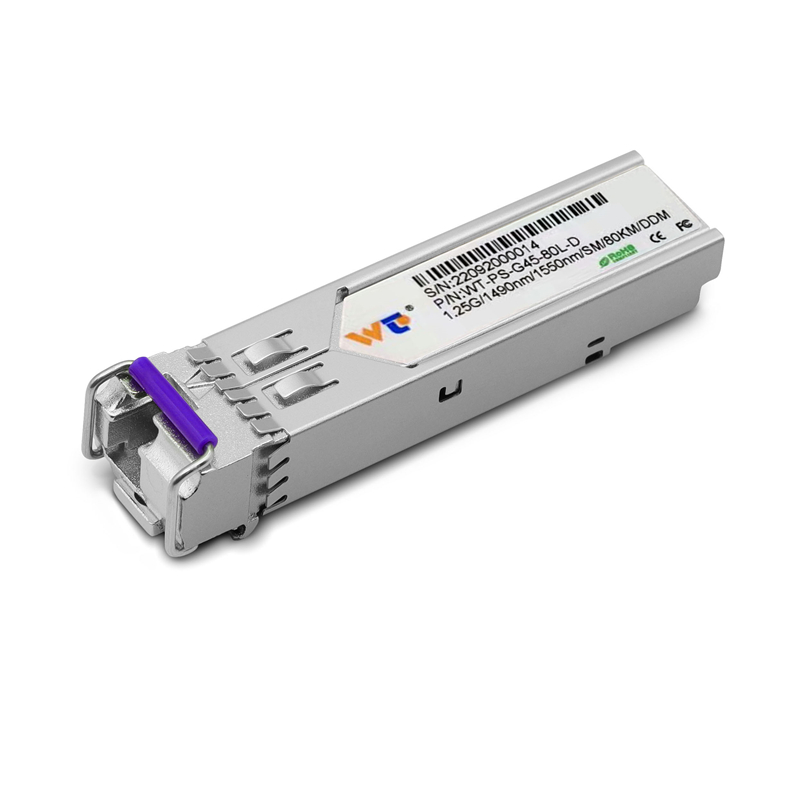
Why premium transceiver makers actually change the game
High-quality transceiver vendors invest in consistent optical power budgets, tighter wavelength tolerances and better MTBF figures. That translates directly into reduced retries, steadier SFP+ links and more predictable latency on fiber optics runs. For harsh environments — outdoor cabinets, industrial floors — pairing those modules with a purpose-built rugged ethernet switch removes a ton of guesswork: better isolation, wider temp ranges, and more robust connectors mean fewer site visits and fewer emergency replacements.
Common failure modes and practical fixes
Problems tend to repeat: wrong link budget, dirty MPO/LC connectors, mismatched duplex modes, or modules sold as “compatible” but returning poor optical receiver sensitivity. Fixes are straightforward. Standardize on one vendor family where possible. Keep fiber endfaces inspected and cleaned before any install. Log optical power and BER during initial burn-in. Run an SFP+ loopback test for 24–48 hours before you put a circuit into production — if bit-error-rate climbs, pull the transceiver and test spare units. Small labs should run thermal soak testing at least 48 hours; large deployments need extended MTBF validation.
How to vet suppliers and test gear like a pro
Evaluate vendors against concrete test parameters. Here’s what to require from transceiver suppliers and from your bench tests:
– Optical power tolerance: verify Tx power and Rx sensitivity across temperature extremes (measure at -40°C, 25°C and 85°C).
– Thermal cycling: 10 cycles between -40°C and 85°C with dwell of 30 minutes per extreme, then a 24-hour post-cycle performance check.
– Humidity and salt-fog (for industrial links): 96 hours at 85% RH and targeted salt-fog exposure of 48 hours for coastal installations.
– Interoperability: 72-hour continuous SFP+ throughput test on the target switch model with traffic generators to validate sustained line-rate forwarding and to capture latency/jitter baselines.
Don’t accept generic testing claims — get documented logs. Also check vendor support policies for warranty swap timelines; a fast RMA channel often matters more than a marginal MSRP saving. — Keep spare qualified modules in stock for rapid replacement, not the cheapest box you can find.
Alternatives and common mistakes to avoid
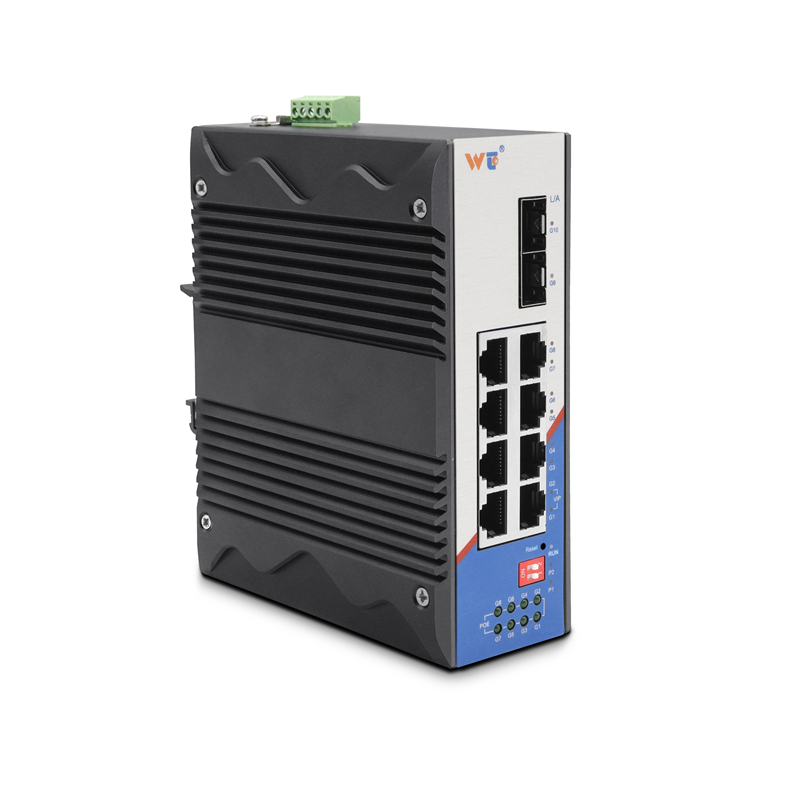
Some teams try generic transceivers to save money, then accept frequent replacements as a cost of doing business. Others over-spec fiber types (using singlemode everywhere when multimode would do) or neglect power budgets on long runs. A better path is matching the transceiver class to the link distance and environment, and running a staged rollout: lab burn-in, pilot site, then fleet upgrade. If you need a highly durable option for outdoor or vehicular use, select purpose-built rugged modules and pair them with industrial PoE-capable switches where applicable.
Three golden rules for selecting hardware
1) Measure first, buy second — quantify link distance, optic loss and peak traffic, then pick transceivers with a minimum 3 dB safety margin above measured loss.
2) Require vendor-provided endurance logs — thermal cycle records, BER curves at specified temps and 72-hour interoperability test outputs before acceptance.
3) Match support to risk — for core or exchange-facing links, prioritize vendors offering 4‑hour RMA or on-site swap options over marginal cost savings.
Apply these rules and you’ll see fewer midnight outages and more predictable performance — which is exactly why teams choose reliable suppliers and ecosystem partners like WINTOP. —