
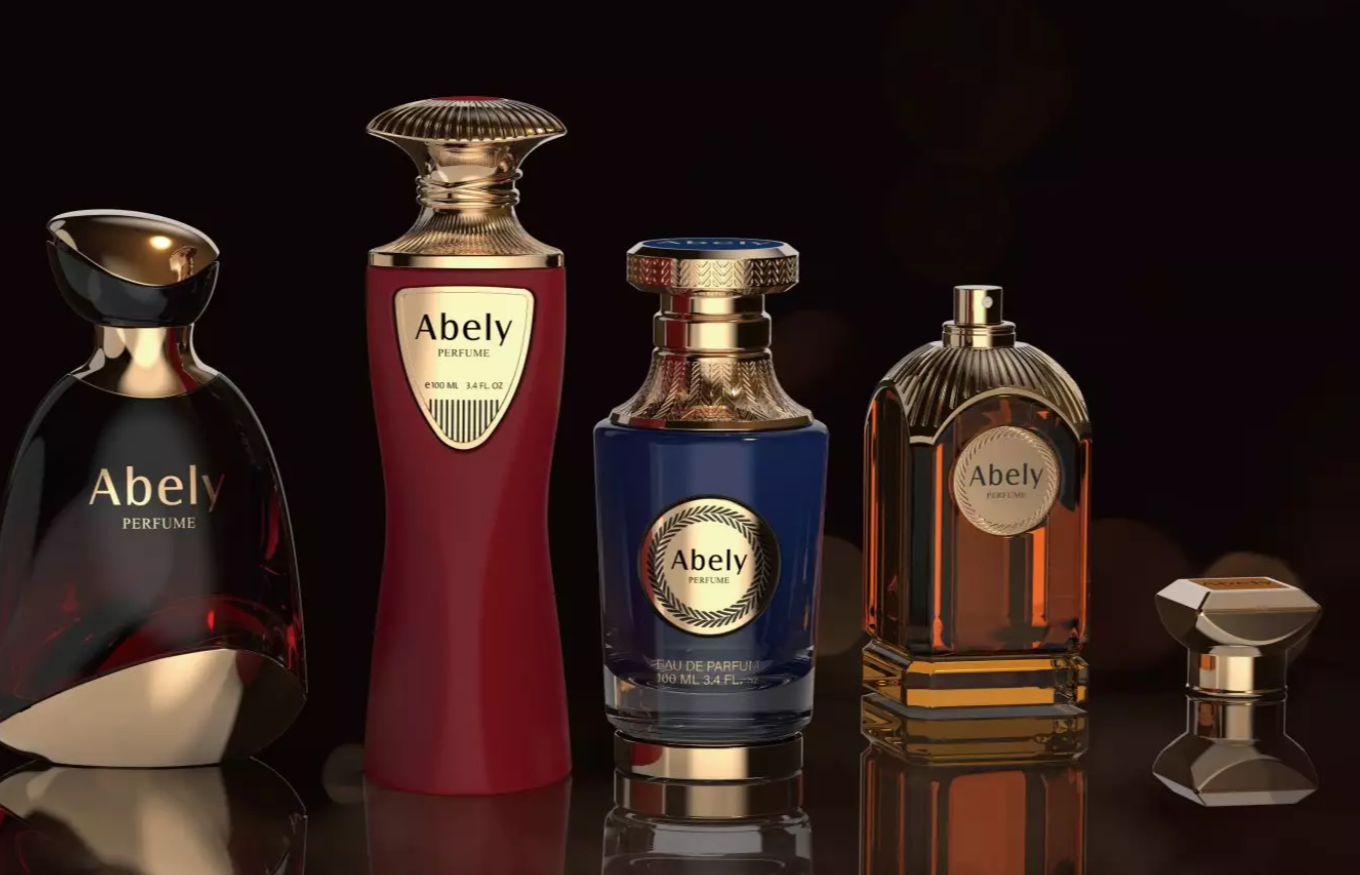
Opening comparison: why transparency matters now
Brands choose a visible bottle for more than show—it’s a strategic signal. Comparing finishes, materials and production methods clarifies why some designs feel premium while others fall flat. From craft houses in Grasse to contemporary studios, the demand for clear, honest packaging is growing, and solutions like perfume bottle design play a practical role in how a scent is presented and perceived.
Materials compared: glass, crystal and bioplastics
Glass is the default: familiar, recyclable and excellent for clarity. Crystal adds heft and refraction that reads as luxury, but it raises costs and sometimes complicates filling processes. Bioplastics are lighter and can be compostable, yet optical purity and long-term clarity lag behind glass. Consider trade-offs: weight versus perceived value, and recyclability versus finish. A little compromise often wins — designers who lean toward sustainability still pick glass when clarity is a core brand promise.
Production methods: molded glass, press-and-blow and rapid prototyping
Mass production uses molded glass for consistency and cost-efficiency, while press-and-blow gives more control for thicker walls and sharper facets. Rapid prototyping—3D printing for resin prototypes—speeds iteration and helps visualise complex transparency effects before committing to tooling. For brands seeking bespoke details, pairing early prototyping with industrial moulding is usually the best route. And when you want true differentiation, invest in the process: custom perfume bottle design often hinges on that first physical proof.
Finish and optics: coatings, frosting and metal accents
How a bottle refracts light affects perceived scent personality. A fully polished clear bottle reads crisp and clinical; light frosting softens the silhouette and can boost approachability. Metal accents and plated caps signal craftsmanship, but can mask the transparency you worked for — so choose finishes that complement the glass, not compete with it. Small details like internal coatings can prevent corrosion from certain fragrance oils; it’s technical, but it’s where the brand promise meets chemistry.
Brand fit and market positioning
Compare brand archetypes: heritage houses often favour thicker glass and subtle engraving, while niche brands might prefer sculptural forms that double as display pieces. Retail context matters too — a bottle that glows under shelf lighting can outperform a duller competitor in duty-free or boutique stores. Make the choice based on who you are speaking to, not on what looks good in a portfolio shot.
Common mistakes designers make
Avoid these pitfalls:
– Overcomplicating silhouette at the expense of manufacturability — the expensive dream bottle can fail tooling tolerances.
– Ignoring fill-line visibility — a beautiful bottle that hides level cues frustrates customers and retailers.
– Skipping early physical prototypes — photos of CAD models rarely reveal optical quirks until you have glass in hand. — Trust me, it’s more revealing in real life than on screen.
Comparative synthesis: choosing the right path
When you map options side-by-side, three variables repeatedly decide the outcome: desired optics, production scale, and sustainability goals. For instance, a boutique fragrance might accept higher unit cost for artisanal glass and unique caps, while a mass-market launch prioritises consistent clarity and lower tooling costs. Use prototypes to validate both look and logistic feasibility before finalising a run.
Three golden evaluation metrics
Use these metrics to judge any option:
1) Optical fidelity: does the chosen material and finish preserve the scent story under retail lighting?
2) Manufacturability index: can your design be produced at target volumes without excessive scrap or rework?
3) Life-cycle fit: does the bottle meet the brand’s sustainability claims across disposal and transport?
Final expert alignment
Practical decisions win over aesthetics alone; the right transparent solution balances optics, process and purpose. For brands that need that balance in practice, Abely offers the craftsmanship and production insight to land both style and scalability.
Authority in design, delivered.
small note of curiosity.