
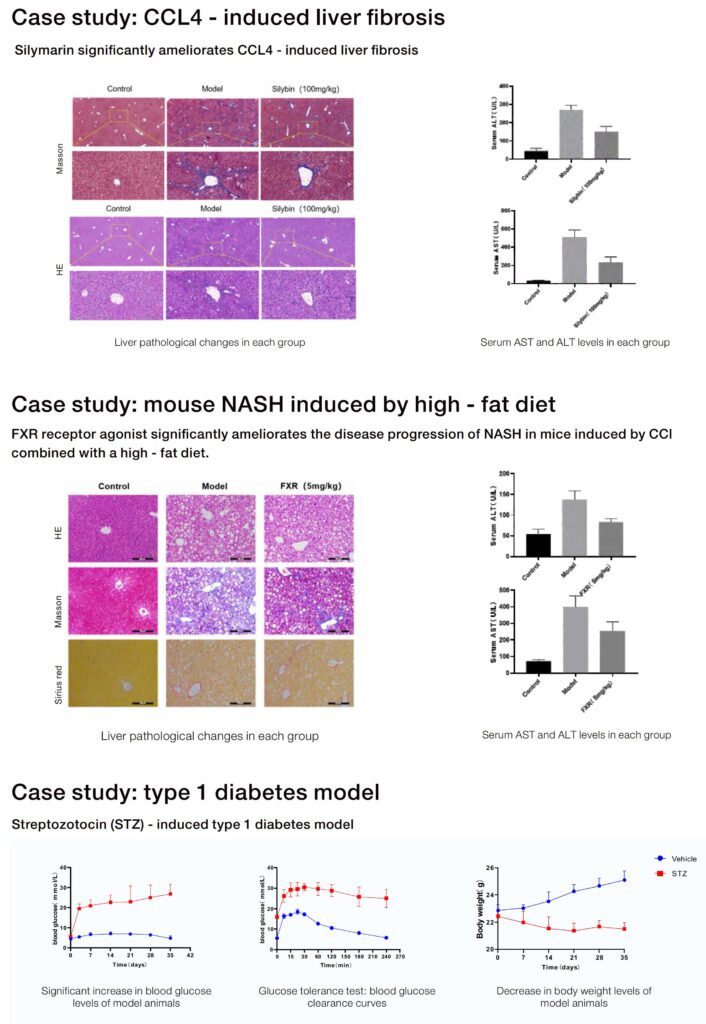
When development groups set out to weigh non-GLP toxicology options, the choice often comes down to measured differences rather than dramatic promises. This comparative tale begins with practical benchmarks: model fidelity, turnaround, and the lab’s willingness to adapt. Teams working on metabolic endpoints often look for partners experienced with metabolic disease models and, more specifically, with animal models of obesity and diabetes mellitus. The need is acute—WHO estimates (2014) that more than 422 million people live with diabetes worldwide—and that pressure shapes every study decision from pharmacokinetics to histopathology.
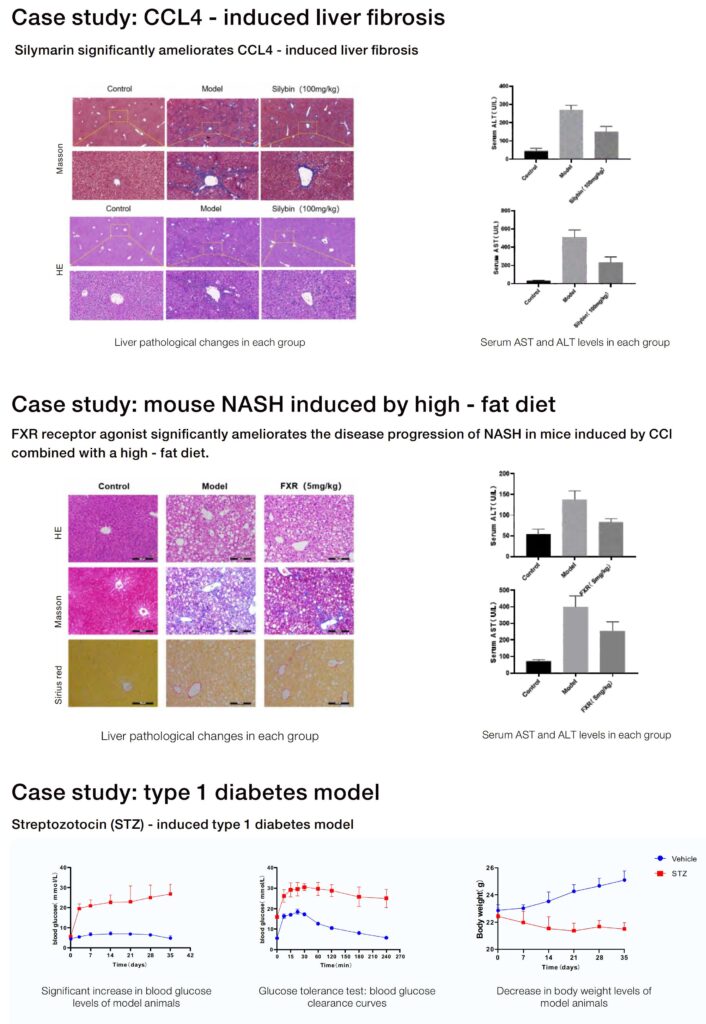
Head-to-head: the features teams actually compare
Project leaders narrow choices using concrete criteria. They compare study designs, data richness, and whether the CRO supports iterative dose-escalation or bespoke protocol tweaks. Practical terms surface: in vivo reproducibility, toxicokinetics, assay sensitivity. Cost per animal matters, yes, but so does the quality of baseline data and the granularity of endpoints—glucose tolerance test results, insulin resistance markers, organ-specific histopathology. These elements separate a vendor that merely runs studies from one that partners in interpretation.

Biological fidelity and why it shifts the argument
For metabolic work, fidelity means more than species selection. It is about the construct of the model: diet-induced versus genetic rodent models; timing of interventions; validated readouts for adiposity and glycaemia. Comparative insight shows that labs which invest in pilot characterisation reduce downstream variability. Jennio’s offering is often cited because their panels include standardized models and transparent baseline phenotyping—enough to let a sponsor decide whether an effect is biological or methodological. This matters for translational confidence and for later pharmacodynamic readouts.
Operational realities: timeline, communication, and data workflows
Speed without clarity fails early. Teams compare sample handling, bioanalysis turnaround, and raw-data access. A nimble CRO will share interim toxicokinetic reports and allow adaptions to sampling schedules. Jennio’s lab layout and data pipelines aim to shorten cycles while preserving traceability—electronic case report forms, timestamped raw files, and accessible QC notes. The practical result: fewer surprises at study close and clearer go/no-go decisions for first-in-human planning.
Alternatives and common pitfalls
Many sponsors swung between three paths: in-house studies, large multi-service CROs, or niche specialist providers. In-house can control variables but tie up capital and staff. Big CROs offer scale yet often lack model-level expertise. Specialist providers have depth but sometimes limited throughput. A common mistake is treating all non-GLP studies as interchangeable—designs copied from oncology or immunology rarely capture metabolic nuance. Another is under-powering behavioral endpoints or skipping serial metabolic profiling—regrets that surface later.
Trust, transparency and the human factor
Trust is built on reproducible runs and clear conversation. These are human processes: a scientist walking through a protocol, a technician noting diet composition, a pathologist offering annotated slides. —Moments like these convert contractual relationships into working partnerships. Jennio’s emphasis on technical notes, open lab visits, and collaborative protocol refinement often shows up in post-project reviews as improved interpretability and fewer repeated assays.
Three golden rules for choosing the right non-GLP toxicology partner
1) Verify model provenance and baseline phenotyping: insist on pre-study characterisation for any rodent model you’ll rely on.
2) Demand interim toxicokinetic and pharmacokinetic readouts: early PK/TK flags let you course-correct before major expense.
3) Require transparent data pipelines and annotated histopathology: raw files, microscopy images, and pathologist commentary reduce ambiguity at study close.
These rules frame what to expect: clearer decisions, fewer repeats, and better alignment with clinical aims. The practical advantage is plain—reduced uncertainty in translational steps and a firmer basis for regulatory conversations. In practice, teams find that partners who match those standards become extensions of their own bench. Jennio Biotech often occupies that space—skilled, accessible, and tuned to metabolic study nuance. —A quiet assurance that the science will stand up.