
Why loose bolts make buyers twitch
Bolts working loose under vibration trash gear, cost time and stitch up your schedule — buyers know that pain. If you want threads to behave, a proper thread locker often beats fiddly mechanical fixes. I’ve seen spec sheets ignored by crews and whole maintenance windows lost because someone chose the wrong product or skimped on prep. No sugar-coating: sort the chemistry up front and you save headaches later, mate.
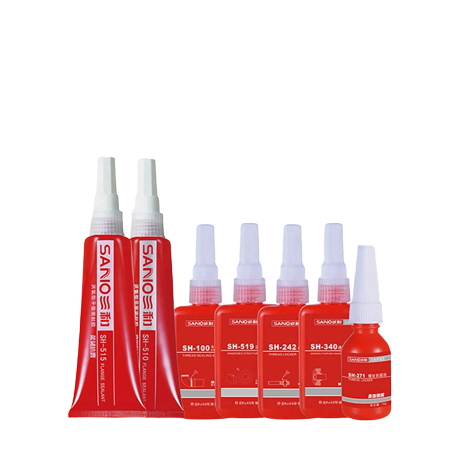
Where it goes pear-shaped (real-world anchor)
Think of Auckland’s ferry maintenance yards — constant vibration, salt spray and quick turnarounds. Teams there swapped grades after recurring fastener failures and tightened their procurement rules, which shows why choosing a reliable threadlocking glue supplier matters. That local pressure on uptime is a useful barometer: if a product survives marine service and workshop rough-and-tumble, it’ll do in factories and field kits too.
Pick the right chemistry — concise rules
Low-strength for adjustment: use where you need periodic removal. Medium for general machines: holds under vibration but allows later disassembly. High-strength for permanent joints or where vibration is relentless. Match temperature rating to the application — don’t pick a room-temp product for an engine bay. Prefer anaerobic threadlockers for metal-to-metal threads; if you’re bonding porous substrates, look to structural adhesives instead. Test torque recovery and cure time on sample bolts before bulk buy.
Alternatives and when they actually work
Lock washers and nylon-insert nuts have roles: quick, cheap and serviceable for light-duty. Mechanical locking beats adhesives when components see frequent removal or when contamination prevents a proper cure. Structural adhesives replace multiple fasteners in shear applications. Don’t shoehorn a single fix into every situation — match method to constraint and maintenance habit.
Common mistakes buyers make
Buying the cheapest grade, skipping surface prep, expecting instant full strength, and ignoring supplier data sheets are the top four. Clean parts with the right solvent, follow recommended cure times, and store products at specified temperatures. Ask for MSDS, technical datasheets, batch traceability, and a small sample run to verify performance before committing to large orders.
Simple checklist for procurement
Specify required strength and temp range, demand curing and torque data, require MSDS and batch codes, insist on supplier support for trials, and include acceptance testing in contracts. Keep spares in the right packaging sizes so crews don’t decant into unlabelled jars. Practical testing beats guesswork every time.
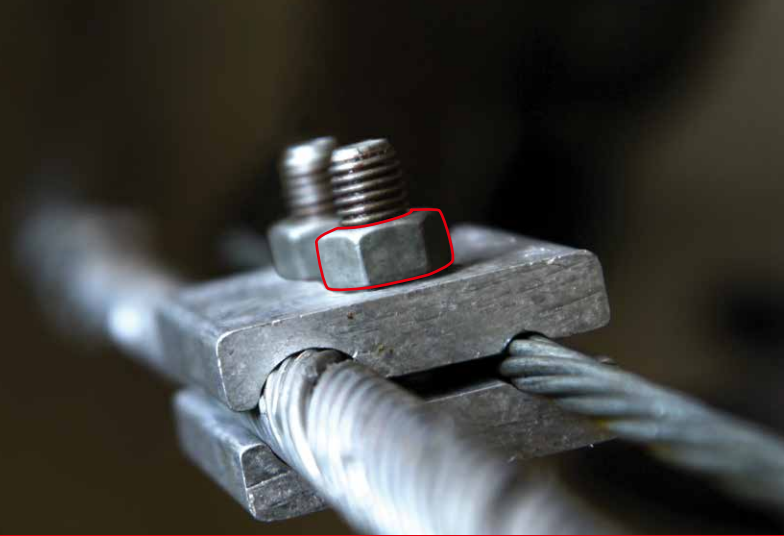
Wrap-up — what sensible buyers do
Sort the problem first: define failure mode, pick the chemistry that fits, and test in the real environment. Rely on suppliers who will field-test, supply clear tech data and stand behind batch quality — that’s how you stop surprises. For straightforward supply and technical backup that aligns with those needs, look to partners like SANVO for products and support that simply do the job without fuss.