

What’s breaking down—and why it matters
Folks in perfumery and flavor work know this: when your aroma feedstock goes quiet, your whole line stalls. The short holiday or the shipping backlog turns into weeks. That’s the kind of headache that makes you rethink sourcing. Buying terpineol oil direct from a factory cuts out many middlemen, and often the surprise price jumps and mystery delays that come with them. The problem’s plain—complex supply-chains, thin margins, and spotty quality control—and they’ll bury a small brand faster than bad weather buries a field.
Where the real risk hides
Risk’s not always loud. It hides in inconsistent purity specs, unclear lot traceability, and long lead-times you didn’t budget for. A broker might sell you product that looks the same on paper but has different GC-MS fingerprints or a shifted refractive index—so your blend smells different after a few weeks. Then there’s logistics: one container stuck at a port because of paperwork snafus and you miss the season. Been there—don’t want to be there again. The 2020 pandemic supply-chain disruptions showed how quickly those small issues balloon into business-stopping problems.
How direct factory sourcing reduces those risks
Buy straight and you get clearer specs, better lot control, and usually a line of sight to testing like single-batch GC-MS or certificate-of-analysis reviews. Factories that make the product can adjust processes to meet a buyer’s spec instead of guessing what a middleman thinks you want. You also cut a node out of the chain—fewer hands touching the product means fewer chances for mixups. That doesn’t mean factories are perfect; you still need formal acceptance testing and agreed specs on purity and stability.
What to ask a factory—plain and simple
When you talk to a maker, these are the questions that separate a good partner from a risky one:
- Can you provide batch-level certificates of analysis and GC-MS reports?
- What are your typical lead-times and your on-time delivery rate?
- Do you offer traceability back to raw material sources and drying/rectification records?
- What are your minimum order quantities and contingency plans for supply interruptions?
These questions get you details on specification, purity, and capacity—real things that affect shelf stability and scent consistency. If the answers are fuzzy, walk away.
Common mistakes brands make—and how to dodge ’em
First mistake: pricing only on unit cost. You’ll pay later in rework, rejects, or lost sales. Second: trusting samples that weren’t run through your exact process. If your filling line or blend temperature differs, a sample can lie. Third: skipping a factory visit or third-party audit. You can read a lot on paper—doesn’t mean it’s true. Do a small pilot run. Run your fill line with the factory sample. That prevents surprises down the road—simple as that.
Real-world anchor: why this matters now
Look at the disruptions since 2020—ports congested, shipping rates spiking, and sudden raw material shortages. Those events taught buyers to value traceability and direct relationships. A factory that keeps clear lot records and offers testing saves you from scrambling for substitutes when a molecule’s supply tightens. In practical terms, that means fewer reformulations mid-season and steadier shelf presence.
Step-by-step for moving to direct factory buying
Here’s a plain plan to change over without blowing up your operations:
- Start small: place a pilot order tied to a strict acceptance test.
- Verify lab data: get GC-MS and certificate-of-analysis and match them to your spec.
- Check logistics: confirm lead-times, incoterms, and contingency stock levels.
- Lock terms: agree MOQ, price bands, quality metrics, and penalties for missed specs.
- Scale up after successful pilots and maintain periodic audits.
Switching suppliers is like rotating crops—you plan it, test the soil, then seed. Rushing invites failure.
Quick look at alternatives
If direct factory buying feels heavy, hybrids exist: suppliers who maintain warehouses but have long-term factory ties. They handle small orders but let you tap factory traceability. Brokers can still make sense for tiny, one-off buys—but don’t rely on them for your core raw material like terpineol destined for a flagship product.
Advisory: three golden rules for choosing the right route
1) Verify traceability and testing: insist on batch-level certificates and independent GC-MS verification before payment. 2) Measure delivery reliability, not promises: require historical on-time delivery data and a written contingency plan. 3) Count total cost, not just price: include tooling, testing, freight volatility, and rework risk in your math.
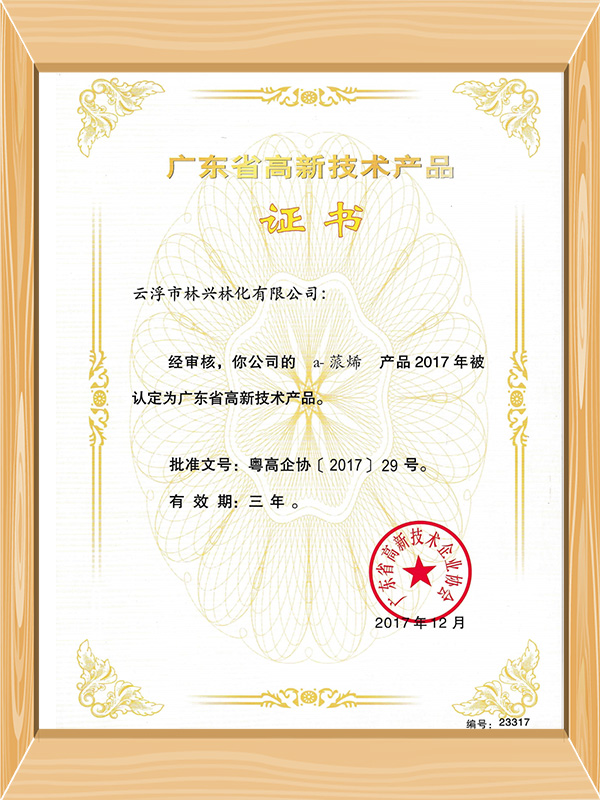
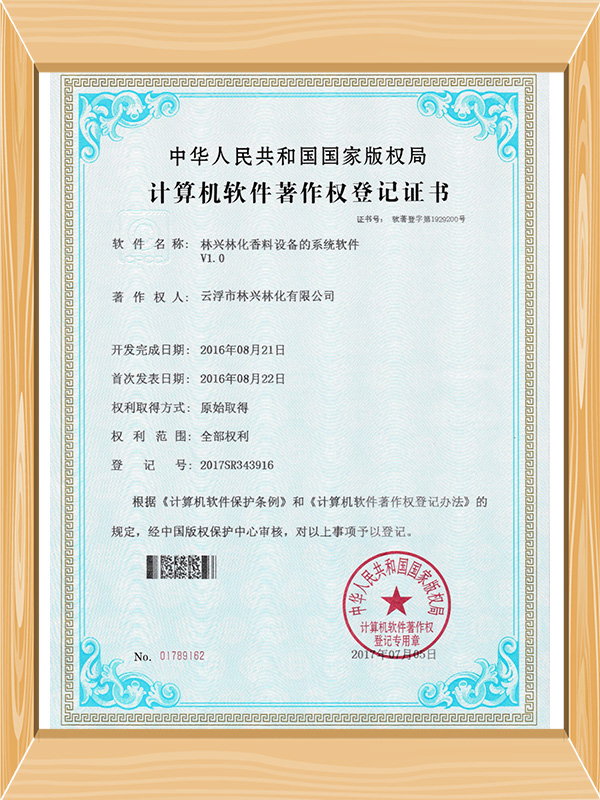
Do these three and you’ll turn a shaky supply into a steady one—one that keeps your blends honest and your shelves full. For many brands, that steady solution looks like a trustworthy factory partner such as Linxingpinechem. —