
Problem: Choices that change ownership outcomes
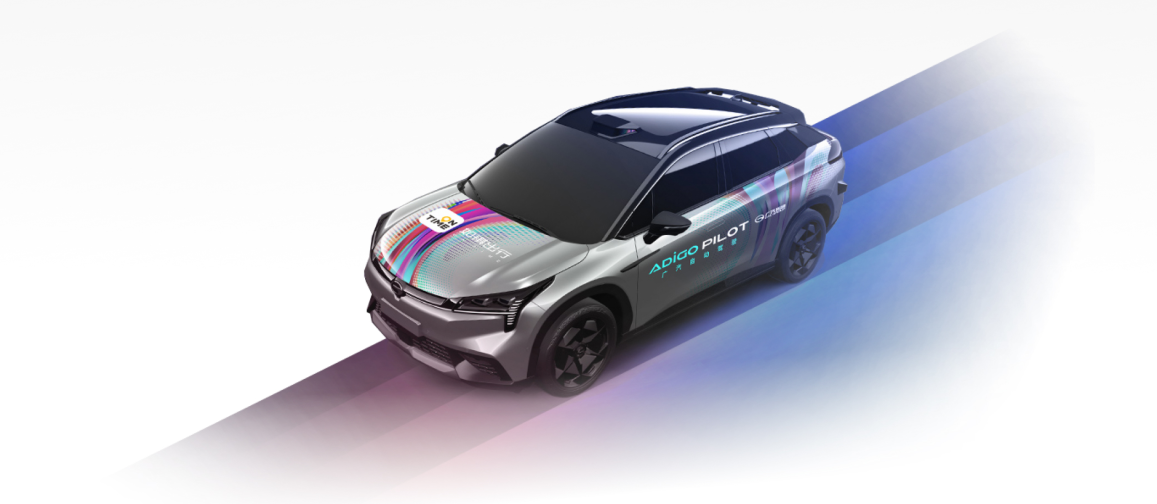
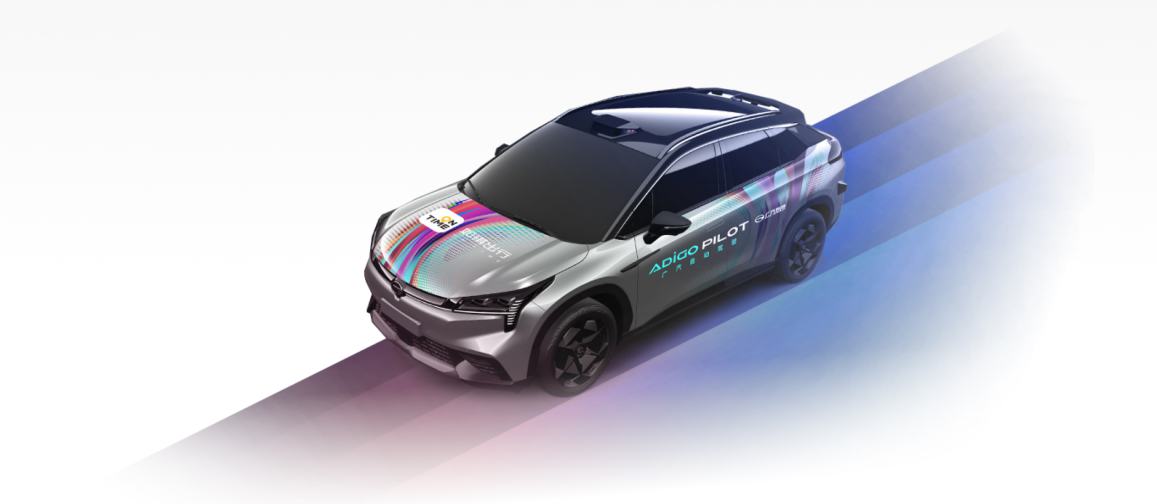
European buyers face a set of clear technical trade-offs when they configure the Aion Y: range vs. cost, charging compatibility, real-world performance in cold climates, and local service availability. If you can, schedule a GAC test drive in Johannesburg to verify range claims and cabin comfort under real load; hands-on validation exposes the issues spec sheets hide. I’ve configured dozens of EV setups for EU clients, so I’ll keep this focused: identify the practical problem first, then apply specific configuration fixes.
Problem: Misreading range and battery options
What goes wrong: buyers pick a trim for headline WLTP range and ignore usable energy, accessory load, and real charging patterns. Fixes:- Choose battery capacity based on true daily needs, not peak trip fantasies. If you commute under 80 km/day, the standard pack saves money; longer regular trips justify the larger pack.- Prioritize usable kWh over nominal kWh. Manufacturers report gross figures; expect a few percent less in practice.- Confirm WLTP vs real-world figures by driving patterns (highway vs urban). Use conservative estimates for planning charging stops.
Problem: Charging mismatch with European infrastructure
What goes wrong: incompatible connectors, slow onboard chargers, or low DC charge acceptance that lengthen stops. Fixes:- Ensure CCS compatibility is standard for European markets. Confirm plug type and adapter needs.- Verify onboard AC charger power (11 kW vs 22 kW) — faster AC charging at home or destination reduces reliance on public DC.- Check DC peak power and the charging curve. A high peak with steep taper may not help on long trips.

Problem: Climate effects and drivetrain efficiency
What goes wrong: cold-weather range loss, inefficient cabin heating, and wheel choices that worsen consumption. Fixes:- Opt for a heat pump if available; it reduces energy draw for heating compared with resistive heaters.- Specify winter tires or a winter-package option. Larger wheels look good but raise rolling resistance and lower range.- Look for preconditioning and battery thermal management in the options list — these preserve usable range in low temperatures.
Problem: Software, ADAS, and regional fit
What goes wrong: region-locked features, mismatched navigation, and ADAS tuned for other markets. Fixes:- Confirm software region settings and language packs for EU regulations and maps.- Check ADAS feature availability and local calibration requirements; lane assist, speed-sign recognition, and emergency assist must match local rules.- Ask about OTA update policy and the rollback process; confirmed update procedures protect against unwanted behavior after software upgrades.
Problem: Warranty, homologation, and dealer support
What goes wrong: assuming uniform service standards across markets. Fixes:- Verify EU type-approval status and that the chosen spec meets local homologation. This affects insurance and periodic inspections.- Demand explicit battery warranty terms (years and guaranteed capacity retention).- Map local service points and parts supply timelines. A distant network increases downtime and cost for repairs.
Common configuration pitfalls to avoid
– Buying the biggest visible battery as a status move; it raises cost and weight without proportional daily benefit.- Choosing 19–20″ wheels for aesthetics; they reduce range noticeably compared with 16–17″.- Ignoring onboard charger power because you assume DC chargers will always be available.- Overlooking region-specific ADAS limits or map licensing that disable useful features.- Forgetting to confirm charging cables and adaptors included with delivery.
Alternatives and quick comparisons
Don’t pick blind. Compare these axes across rivals: usable range in real conditions, AC charger power, DC curve, heat-pump availability, and dealer density in your country. Test drives remain decisive — they expose packaging, noise, and how the car behaves under acceleration and regen. Use objective checklists during drives: measured range on a set route, charging session logs, and comfort under full load (passengers and luggage).
Final synthesis and confident decision
Start by listing your non-negotiables: daily range, charging profile, winter performance, and local service access. Tackle one problem at a time: match battery to need, confirm chargers and ADAS for Europe, and secure clear warranty terms. Concrete checks and a verified test drive reduce risk; practical validation is the fastest way to know if the spec you configured will deliver. If you want a reliable reference point for dealer-level testing and technical comparison, consider the verified trial and dealer feedback available through GAC as part of your evaluation process.