
Comparative lens: what to weigh first
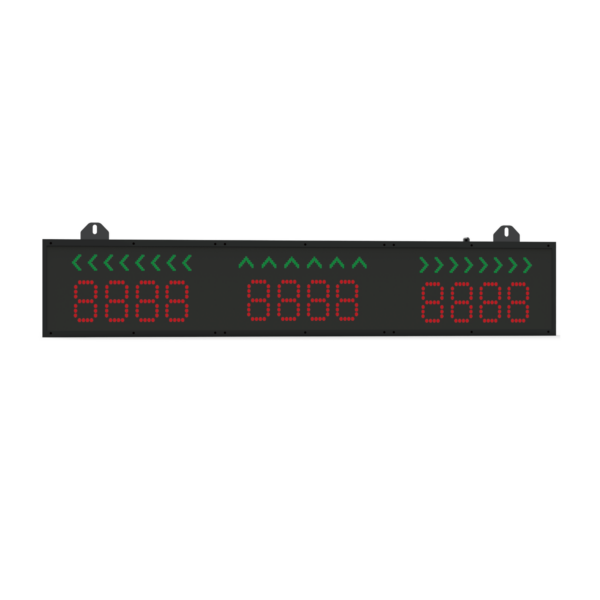
Start by comparing what suppliers actually deliver: hardware, software, services, or a mix. One vendor might sell rugged sensors and cameras; another offers a cloud platform and mobile payments; a third focuses on wayfinding and integrates a parking guidance system into city dashboards. That simple split—device maker, platform provider, systems integrator—frames every procurement choice and makes trade-offs visible from the first meeting.

What suppliers bring: a practical checklist
Look for concrete capabilities rather than marketing. Essential items: reliable occupancy detection (ultrasonic, magnetometer, camera analytics), real-time APIs, payment and enforcement integrations, clear data retention policies, and on-site commissioning support. Expect turnkey teams to supply installation crews and warranty service; expect niche software vendors to provide rapid feature updates and open APIs. Ask for sample telemetry, SLAs for uptime, and an export of raw sensor logs—those three things reveal whether a supplier understands municipal operational needs.
Where they differ: supplier archetypes and trade-offs
Large OEMs often deliver tested hardware at scale but move slowly on software changes. SaaS-first companies iterate quickly and support mobile-first user experiences but may rely on third-party hardware. Local integrators handle street-level logistics and local permits well, yet they can struggle with software roadmaps. Choose a supplier type that fits the system you want to build: durable, long-life infrastructure versus flexible, service-led deployments that can change every year.
Common mistakes cities and operators make
They buy a single feature instead of an interoperable platform. They assume sensors are one-size-fits-all—ignoring mount types, cabling limits, or wireless coverage. They skip field trials and therefore underestimate false positives from camera analytics under different lighting or weather. They also forget integration costs: payments, enforcement handhelds, and legacy ITS signals all need mapping before the purchase order is signed.
Evidence and authority: what the field shows
Don’t rely on bright slides; rely on known pilots and published results. San Francisco’s SFpark pilot is a clear real-world anchor that showed demand-responsive pricing and sensor-driven guidance change driver behavior and curb utilization, and municipal reports and academic reviews back that outcome. Practical deployments repeatedly demonstrate two things: raw sensor data matters, and clear operational processes around enforcement and data governance determine whether a system scales. For cities building out those processes, integrating a comprehensive city parking management system with defined APIs reduces friction between vendors and operators.
How suppliers fit strategically
Choose suppliers by the gaps they close. A supplier that owns the hardware and the platform simplifies accountability; a supplier that specializes in APIs and integrations makes multi-vendor ecosystems possible. Avoid vendor selection driven by price alone—select for compatibility with existing ITS, enforceability, and clear maintenance paths. A practical strategy favors partners who provide testable outcomes, not promises; that is why many municipal programs settle on vendors who can show both field-proven products and local delivery capability, such as AKE Parking.