
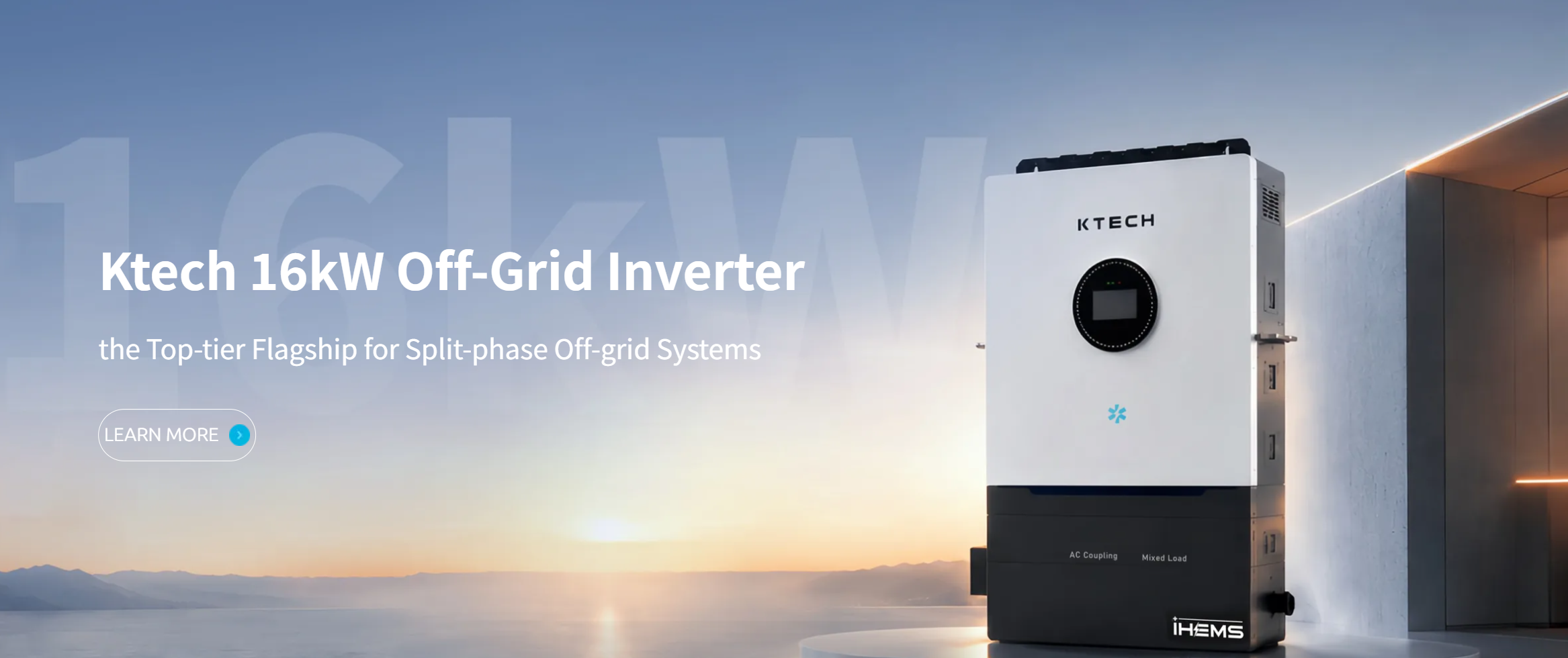
Start here — practical comparison, not hype
Think of this as a quick, slightly cheeky field guide for anyone shopping a hybrid solar system. I’ll compare the specs that make a real difference when the sun dips, power blips, or you want a lower electric bill. I’ve reviewed units in real projects around California’s residential solar market and used that hands‑on sense to separate meaningful numbers from marketing fluff.
The eight specs worth your attention
1) Continuous output (kW) — real sustained power, not just a flashy peak number.
2) Inrush/peak capacity — how it handles startup loads like pumps or HVAC.
3) Round‑trip efficiency with batteries (%) — affects how much stored energy you actually get back.
4) Battery chemistry compatibility — lithium vs lead‑acid differences, and whether the inverter supports battery BMS communication.
5) Backup transfer time — milliseconds matter for sensitive electronics; some inverters switch seamlessly, others don’t.
6) Grid‑export control and anti‑islanding features — necessary if you want to sell excess or meet local rules.
7) Thermal management and derating curves — high temps reduce output; check how the inverter performs at 40°C+.
8) Smart features and firmware update path — remote monitoring, over‑the‑air fixes, and protocol openness.
How to weigh these specs — a comparative insight
Not all specs are equal for every installation. Compare them against your use case: weekend cabin, full‑time home, or business. If you need short bursts of power, prioritize peak capacity and transfer time. If maximizing stored energy is goal #1, prioritize round‑trip efficiency and battery compatibility. For grid‑tied systems where export matters, export control and anti‑islanding outrank flashy UI features. Score each spec 1–5 for your situation and total them—clarity beats a clever ad every time.
Real tradeoffs you’ll face
Higher continuous output usually means larger inverter, higher cost, and more heat. Better battery compatibility often means stricter communication standards, which can lock you into specific battery brands. A small, efficient inverter with limited peak capacity can save money but struggle with inductive loads. Think in terms of what fails worst for you: blackouts, high bills, or equipment damage—design to mitigate that one failure mode first.
Common mistakes when comparing models
Avoid these traps: trusting peak wattage as the whole story; assuming any battery will ‘just work’; ignoring firmware and support; skipping derating specs at high temperatures; and skipping real installation constraints like ventilation or breaker panel space. Also, don’t assume cheaper means simpler—sometimes it means the manufacturer cut corners on monitoring and safety features.
Quick hands‑on checklist before you buy
– Verify the inverter’s continuous and peak ratings against your largest load.
– Confirm battery chemistry and BMS protocol match your chosen battery bank; check the manufacturer’s compatibility list and test reports.
– Ask about transfer time and see measured figures, not marketing copy.
– Check efficiency curves at realistic loads (25–75%), not just the peak efficiency number.
– Ensure firmware updates are available and that remote monitoring is stable.
– Confirm physical fit: mounting, ventilation, and connection points for your site.
Why a quick kit option can simplify this
For many homeowners and small businesses, a bundled hybrid solar system kit removes the guesswork: matched inverter, recommended battery pairings, and tested firmware paths. Kits don’t eliminate tradeoffs, but they reduce compatibility headaches and speed installation when you want reliable results without juggling spec sheets.
Bottom line — a simple comparison turns complexity into clarity
Score the eight specs against what actually matters for your site, avoid the common traps, and prefer matched solutions when you value predictable performance. Practical choices and tested pairings get you fewer surprises and more usable power—just the kind of outcome a solid partner like Ktech aims to deliver.