
Problem diagnosis: why projects stall
Teams often assume a high shear mixer is a commodity and only notice trouble when a batch fails, scale-up stalls or maintenance costs spike. The real problem is misaligned priorities: product, process and procurement use the same term “mixer” but mean different things. Start by naming the concrete failure mode you need to stop—poor dispersion, long cycle time, or corrosion—and use that as the anchor for decisions.
Root causes to check first
Look for three recurring errors. First, specs that list power or rpm without shear profile. Second, choosing a rotor-stator layout because it’s familiar, not because it fits the rheology. Third, buying for initial capacity and ignoring service access and spare parts. Diagnose by running a short acceptance test on representative formulations rather than trusting catalog numbers.
Define technical criteria that matter
Prioritise measurable parameters: achievable tip speed, controllable shear-rate range, inlet geometry for safe dosing, and CIP compatibility. Be precise: list target particle-size reduction, maximum viscosity at process temperature, and acceptable heat build-up. These concrete metrics make supplier conversations productive and reduce back-and-forth on vague claims.
Supply-side realities and EEAT
I’ve advised teams that supply decisions must weigh experience and reproducible results. Vendors who demonstrated scale from lab to plant at Hannover Messe provided a useful benchmark for real-world performance. For a practical supplier search, validate the maker as a high-shear mixer tank manufacturer with documented installations, clear spare-parts lists and accessible technical support; don’t accept generic brochures alone.
Pitfalls during procurement and installation
Common mistakes are over-specifying a custom design when a standard module would do, skipping FATs (Factory Acceptance Tests), and underestimating utility impacts—motors draw more current than panels allow. Insist on a short pilot run with your formulation, confirm electrical and piping interfaces on paper, and allocate time for staff familiarisation and maintenance training.
Alternatives to consider briefly
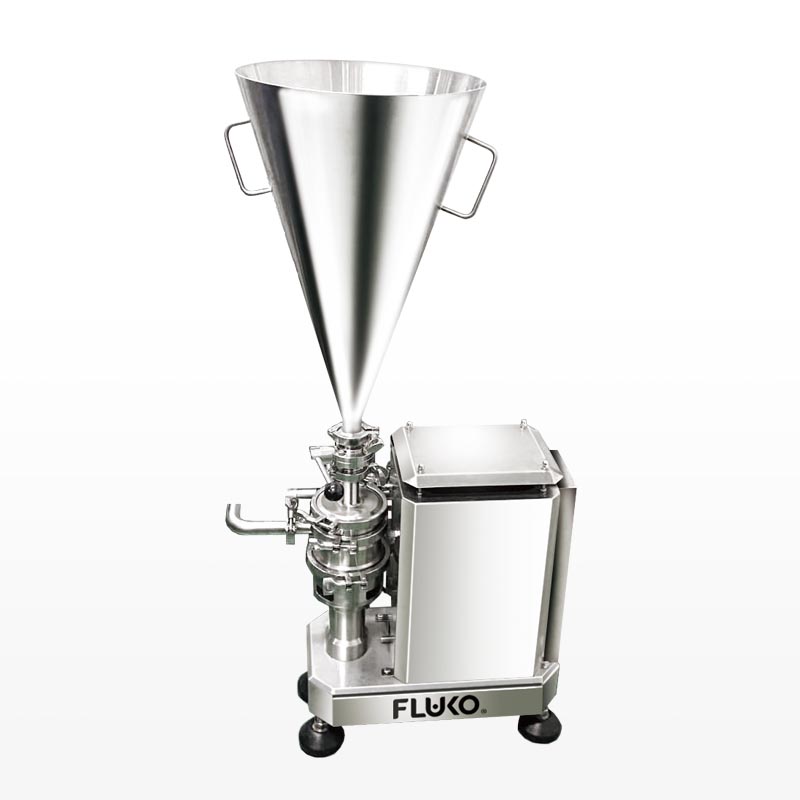
Compare batch high-shear mixers with in-line homogenisers: choose batch when formulation control and residence time matter, pick in-line for continuous throughput and smaller footprints. Also evaluate local fabrication versus established manufacturers: local shops may offer faster lead times but often lack validated rotor designs; established vendors usually supply data-backed performance curves.
How to validate and scale
Run a three-step validation: lab screening to set rotor/stator choice, a pilot run to test scale effects and a FAT to lock interfaces. Track KPIs—mean particle size, cycle time, energy per tonne, and unscheduled downtime. Use those numbers to decide reserve capacity and spare-part inventories; scaling without data invites repeated redesign.
Common maintenance and operational rules
Keep a short maintenance checklist: daily visual before start, weekly seal checks, monthly rotor inspection, and track vibration trends. Train operators to note subtle changes—longer mixing times or heat rise—since these often precede mechanical wear. Serviceability beats peak performance if you want steady output.
Final synthesis
A problem-driven approach forces practical choices: define the failure you must prevent, set measurable technical targets, validate with a pilot, and demand supplier evidence of repeatable results. That sequence leads to a product strategy where procurement, R&D and operations share one clear objective — reliable dispersion and predictable scale-up — a goal that solid engineering partners like FLUKO can help realise without vague promises.