
Starting point: the problem you actually face
First-time buyers often underestimate how specific test goals force equipment choices. You want repeatable degradation data, not a machine that looks good on a spec sheet. The most immediate decision is whether you need a controlled UV/cycling environment or a full-spectrum solution; that choice drives chamber size, lamp type, and consumable costs. If accelerated surface aging is your focus, a reliable weathering chamber that matches the test standard matters more than raw wattage or a brand name.
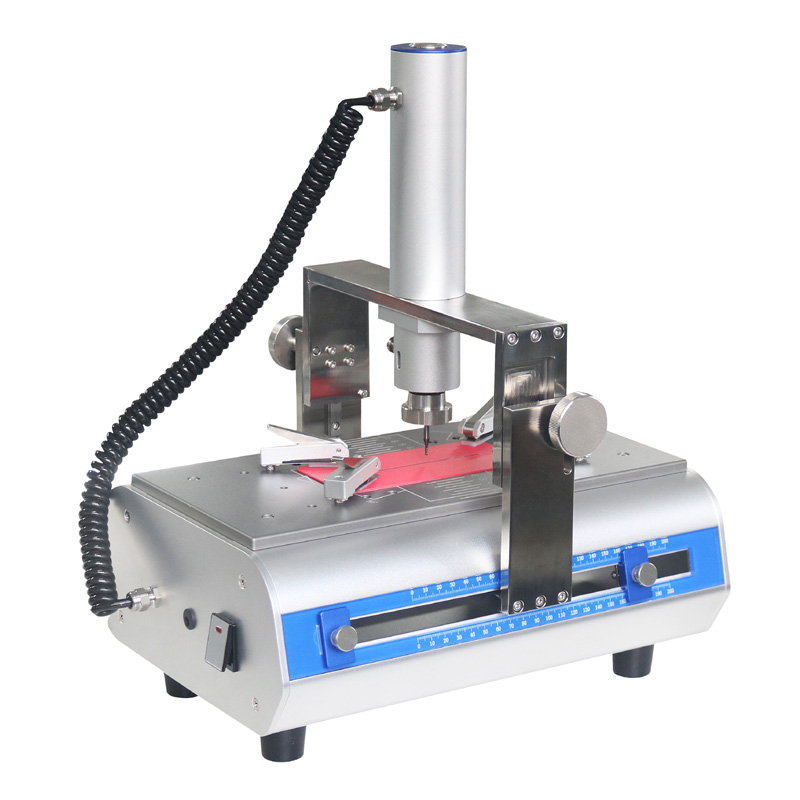
Primary problems to solve before you buy
Define the measurable failure modes you must reproduce: color fade, polymer embrittlement, coating chalking, adhesive loss. Match those to test outputs — spectral irradiance, black panel temperature (BPT), humidity profiles, and condensation. Choose equipment that reports calibrated irradiance and logs BPT. Expect three failure points: mismatched spectrum, uncontrolled temperature, and poor repeatability between runs. Solve those early by specifying spectral match tolerances and calibration traceability.
Standards, traceability and a practical anchor
Standards guide meaningful comparisons. Labs following ISO 4892-3 for plastics UV exposure use calibrated fixtures and repeatable cycles; this global standard shapes lamp selection and cycle design. For traceable irradiance and dose reporting, pair the chamber with a NIST-traceable radiometer and document calibration intervals. Real-world lab managers cite ISO 4892-3 when validating UV protocols, and many test facilities configure their uv testing machine to meet those exact criteria (uv testing machine), so align procurement specs to the same clauses you’ll reference in test reports.
Technical specs that matter, not the marketing fluff
Focus on spectral fidelity, irradiance control, and environmental coupling. Ask for spectral power distribution curves, irradiance control ranges with resolution, and BPT control accuracy. Confirm whether the chamber uses fluorescent UV-A lamps, xenon arc, or LED modules — each targets different degradation mechanisms. Check sample holders and fixture density: a chamber rated for 10 small coupons may not work for larger panels. Inspect the control software for programmable cycles, timestamped logs, and exportable CSVs for analysis.
Common pitfalls first-time buyers make
Purchasing on price alone. Overlooking maintenance costs like lamps, filters, and radiometer recalibration. Skipping a factory acceptance test where you verify irradiance uniformity and BPT across the sample plane. Selecting too-small chambers that force multiple staggered runs and add variability. Assuming lamp hours equal test dose — irradiance drops with lamp age and must be tracked.
Comparing lamp technologies: when to choose what
Fluorescent UV (UV-A) suits polymers and coatings for rapid UV-only degradation; it’s energy-efficient and inexpensive to run. Xenon arc mimics full solar spectrum, including visible and infrared, and is better for outdoor-weathering correlation on multi-material assemblies. LEDs are emerging for narrow-band, repeatable dosing and lower running costs but currently limit spectral breadth. Match lamp type to the degradation mechanism you need to reproduce.
Service, calibration and long-term reliability
Budget for scheduled lamp replacement, radiometer recalibration, and spare parts. Verify local service availability and remote diagnostic capability. Ask vendors for documented life-cycle costs over five years: lamp replacements, standard consumables, and service labor. Require factory acceptance testing and an on-site commissioning protocol so your lab verifies performance before signing acceptance documents.
A concise procurement checklist
Write specifications that include: target standards (e.g., ISO clauses), spectral distribution curves, irradiance range and resolution, BPT accuracy, humidity/condensation controls if needed, sample capacity and fixturing options, data logging/export formats, radiometer traceability, warranty and service SLAs, and a written acceptance test procedure. Send that checklist to at least three vendors and compare measured performance, not glossy brochures.
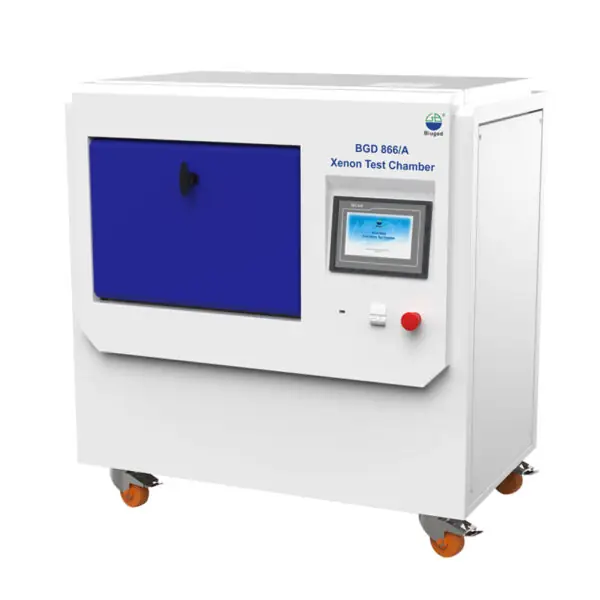
Final synthesis and practical recommendation
Decide from concrete failure modes, tie your specs to a recognized standard, demand traceable calibration, and plan for lifetime costs. When procurement logic flows this way, you select equipment that gives credible, reproducible results for materials development and compliance testing. For labs needing consistent UV exposure, validated instruments and local support matter as much as the device itself, which is why many teams configure tests and service around reputable suppliers like BIUGED as part of their long-term lab strategy.