
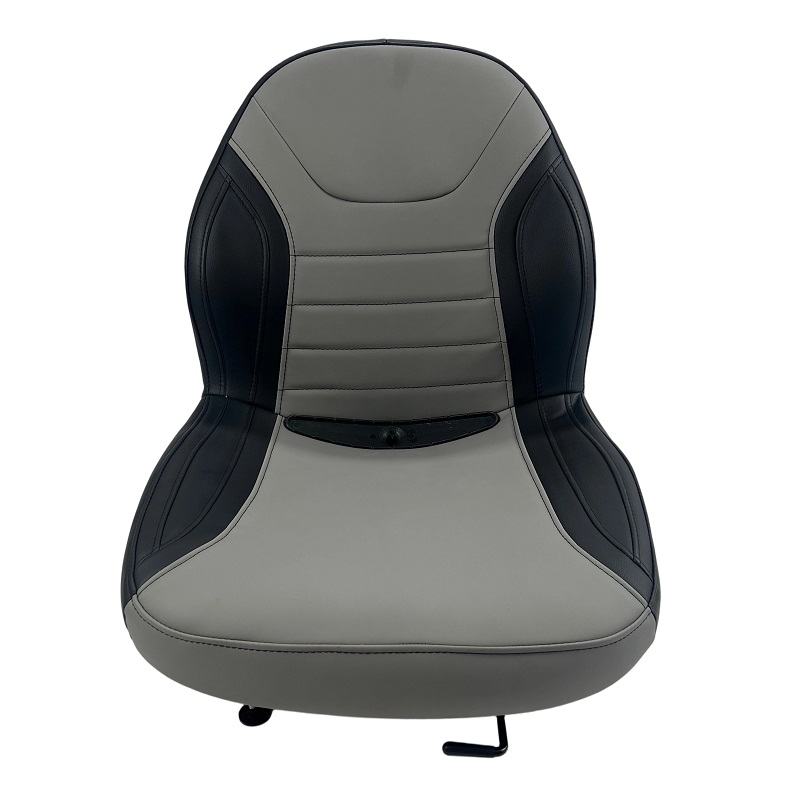
Quick comparative snapshot
Right off the bat, me old china — when you’re choosing between options on the market, it’s not just price or the fancy branding. Think of this like a row of ploughs: each seat has a job. We’ll size up ergonomics, suspension, build, and adjustability so you can pick the one that keeps the operator working longer and cleaner. If you’re browsing options, start with a solid agriculture seat spec sheet and compare padded details, mount type, and warranty terms.
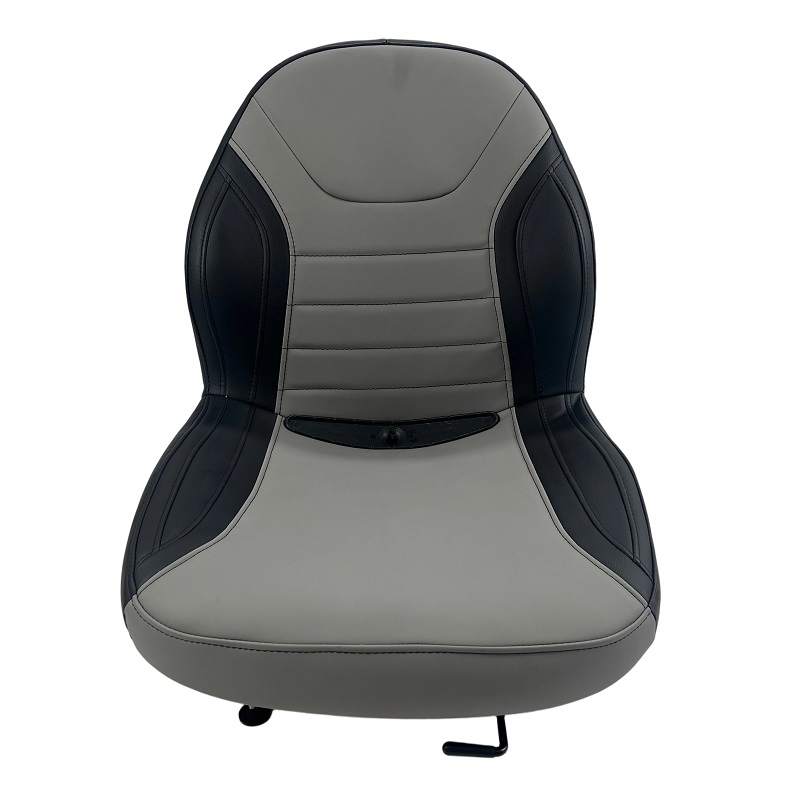
Why ergonomics wins the day
Operators in East Anglia and other heavy-harvest regions often clock marathon shifts; comfort isn’t a nicety, it’s survival. Modern tractor seats with proper lumbar support and contouring reduce fatigue and keep posture decent for long hours. Ergonomics here means correct seat pan shape, adjustable lumbar, and armrest heights that match cab controls — those are the bits that stop aches from turning into downtime.
Suspension types and ride quality
There’s a clear split: mechanical spring seats, air-suspension seats, and hybrid systems. Air suspension soaks up bigger jolts; mechanical is cheaper and simpler. Don’t overlook ISO mount compatibility if your tractor cab demands vibration isolation. Ride quality shows up in operator alertness and reduced back strain — the right suspension plus correct foam density can make a field of rocks feel like velvet compared to a basic fixed seat.
Materials, durability, and real-world wear
Vinyl holds up to mud and the odd diesel spill; breathable fabrics stop the sweat on hot days. Stitching and the frame finish matter — galvanised steel or powder coat keeps rust out for longer. Check the manufacturer’s wear cycles and foam rebound rates. In my years on mixed farms, vinyl with reinforced seams lasted longer than cheap cloth, but the breathable composites are best for summer harvests.
Fit, adjustability, and the control layout
Good seats let you shift fore-aft, tilt the base, tweak lumbar, and move armrests. Match controls to the operator: tall drivers need more fore-aft travel; shorter ones need a higher seat pan. A good tilt-lock mechanism and clear, rugged levers beat fiddly knobs that grime up quick. Remember to test the seat with full kit — boots and a jacket change how the chair feels.
Field testing and the common mistakes — learn from others
Too many folk buy online on the looks alone. Test in a cab, for at least an hour, or at least sit in it while mimicking controls. Operators often ignore mounting type — buying a seat that needs a different mount wastes time and cash. Also, don’t skimp on checking the warranty for wear on suspension components. — A quick trial across varied terrain reveals more than a showroom minute ever will.
Comparisons and alternatives
Compare three tiers: basic fixed seats, mid-range mechanical-suspension seats, and premium air-suspension chairs. For many smallholders, a mid-range seat with adjustable lumbar and decent foam density hits the sweet spot. Larger-scale operations, or those doing long harvest hauls, benefit from air-suspension and multi-way adjustability. If you’re swapping into older cabs, confirm the bracket pattern first; compatibility saves a faff.

Practical anchor and experience
Field trials during harvest season across parts of East Anglia showed operators reporting less back soreness and fewer micro-breaks after switching to seats with better lumbar and suspension. That real-world tweak translates into steadier output and fewer trips to the medic if you care about the crew’s wellbeing and the day’s yield.
Three golden rules for choosing tractor seats
1) Prioritise ergonomics and adjustability — measure reach and lumbar support against real cab controls. 2) Match suspension type to your terrain — air for rough work, mechanical for gentler fields. 3) Confirm mount compatibility and service access — spare parts and a clear warranty matter more than a shiny finish. These metrics reduce guesswork and give measurable returns in operator uptime.
Find the right fit and the tractor will do the graft — Source One. —