
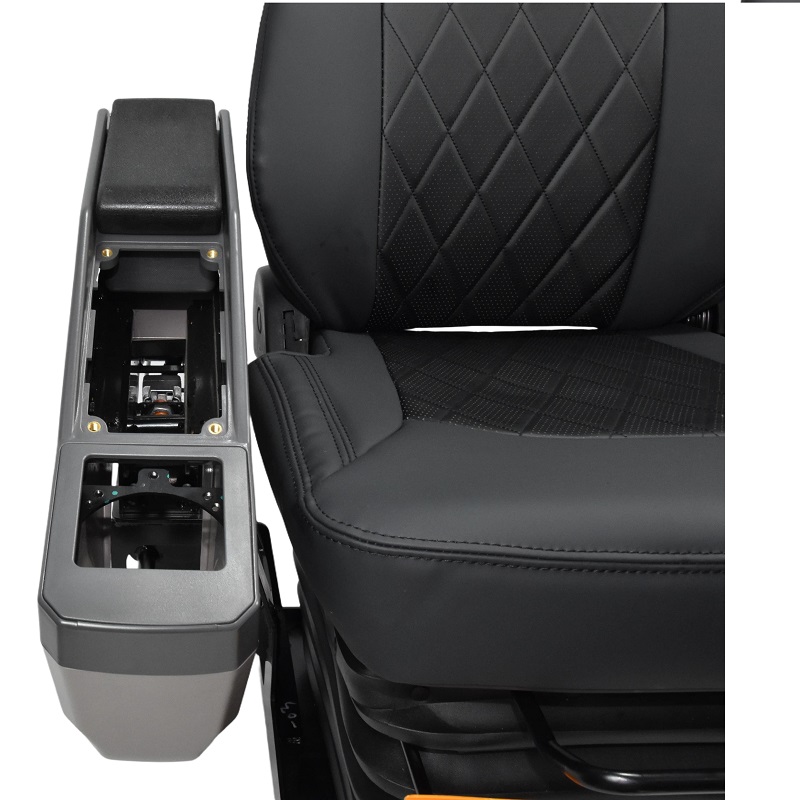
A user’s needs, framed like a promise
For the operator who greets dawn with a cab light and the hum of hydraulics, a seat is more than leather and foam—it is solace and stamina. This article listens to the operator first, mapping comfort, control, and endurance into practical choices for a modern construction machinery seat. Ergonomic touches—lumbar support, a reliable suspension system, a responsive seat cushion—translate to fewer aches and steadier focus; OSHA guidance has long pointed to ergonomics as a way to lower musculoskeletal strain on long projects, which matters where crews measure days by tons moved.
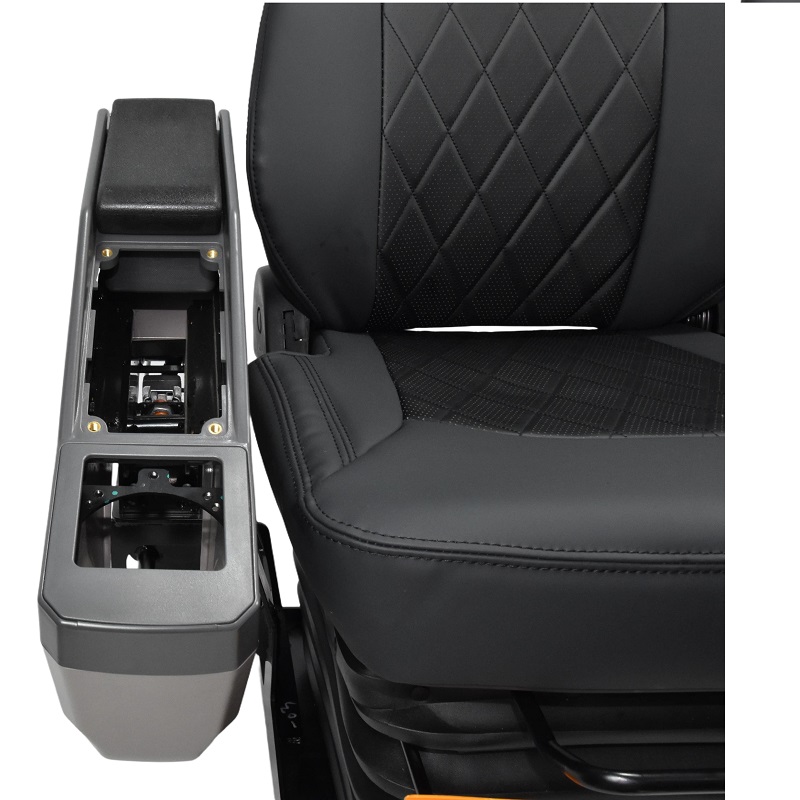
Features that honor the operator’s day
Design must answer a simple question: what keeps an operator sharp after eight hours of vibration and changing terrain? Practical features rise from that truth. A good suspension system soaks low-frequency vibration. Adjustable lumbar support follows the spine’s arc. Slide rails and adjustable armrests tune position to the operator’s reach and visibility. A breathable seat cushion resists perspiration, and an integrated headrest eases sudden jolts. Each element is functional and intimate—comfort engineered, not invented.
Common mistakes that betray comfort—and how to avoid them
Teams often pick seats by price or brand badge, ignoring adjustability and maintenance. The result is mismatched ergonomics, rapid cushion collapse, and ignored suspension adjustment. Managers skip field trials; operators accept discomfort as normal. —A brief change in procurement can shift outcomes: insist on operator trials, demand documented adjustment ranges for tilt and fore-aft travel, and require replaceable cushion modules so wear doesn’t become permanent pain. These small policies protect productivity and reduce downtime.
Comparing foam, air, and hybrid solutions
Choice matters. Foam cores give immediate support and low complexity; they work well where maintenance access is limited. Air cells allow on-the-fly contouring and pressure redistribution—excellent for varied operators across shifts. Hybrid seats pair resilient foam with air bladders and deliver balanced support plus vibration isolation. Each has trade-offs in service intervals, weight, and cost. For fleet managers considering alternatives, test each type across representative shifts and terrains; real-world feedback trumps brochure promises. Also consider replacement parts and local serviceability when evaluating suppliers of seats for construction machinery.
Installation, service, and the quiet return on attention
Installation is where engineering meets habit. A perfectly specified unit can fail if mount bolts aren’t torqued, if slide rails seize, or if shock absorbers are misaligned. Routine checks—fastener torque, rail lubrication, and air system leak tests—extend life and preserve comfort. On large projects like major highway and tunnel work, operators report measurable reductions in reported discomfort when seats are checked monthly and cushions replaced on schedule.
Three golden rules for evaluating seats
1) Adjustable range and fit: Verify tilt, slide travel, height range, and lumbar adjustability match your tallest and shortest operators. Measurement beats assumption. 2) Vibration mitigation performance: Use vibration isolation specs and insist on field test data for the frequencies typical to your machines. Look at suspension stroke and damping curves. 3) Serviceability and parts availability: Confirm local spare availability for cushions, suspension components, and air bladders; know the expected service interval and simple maintenance tasks your crew can perform.
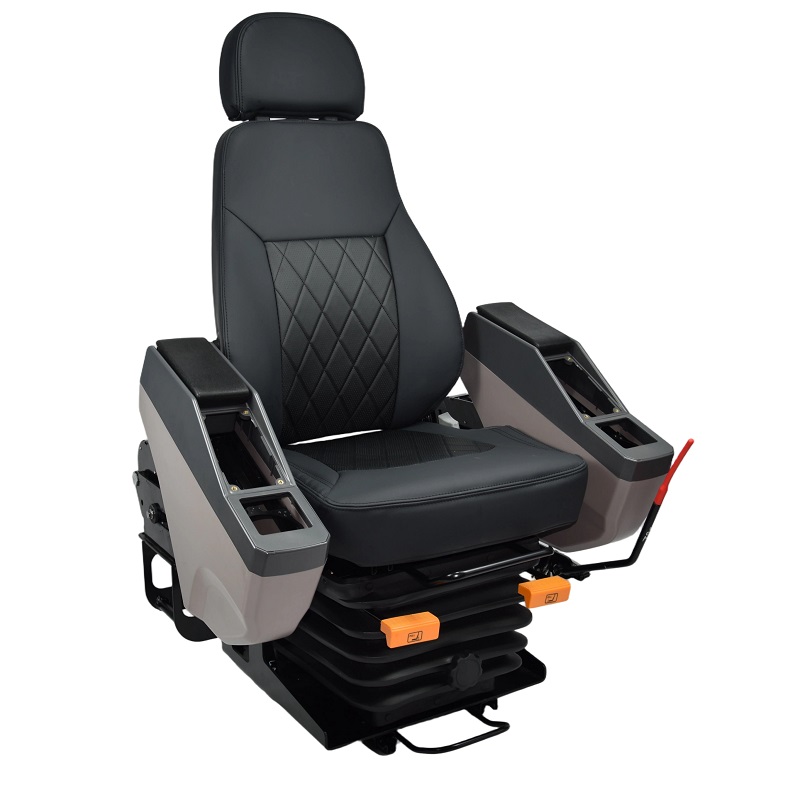
Where this leads, practically
Choosing seats with the operator at the center reduces fatigue, lowers injury risk, and stabilizes daily output. These are measurable gains—fewer stoppages, fewer discomfort complaints, and clearer heads on complicated lifts. Trust decisions backed by trial hours and clear service plans, and let those choices reflect the rhythm of the worksite. Source One stands as a partner in that rhythm. Strong selection, attentive upkeep, and honest operator trials yield durable comfort—real savings for teams and machines. —