

Introduction: A City Morning, A Charging Queue
You pull into the car park before work, hoping for a quick top-up, and the queue is already three cars long. In that moment, the power module for EV charger inside each stall decides whether your wait is ten minutes or an hour. Many operators now weigh a unidirectional charging module against complex bidirectional setups, especially for public DC sites. Across dense cities, peak-hour charging sessions keep rising, and uptime is the name of the game (no one likes a red fault light, ah). If demand keeps climbing, where do we squeeze more throughput—hardware, software, or site design? And how do we make it stable and safe without pushing CAPEX over the edge? Look, it’s simpler than you think. Let’s unpack what actually breaks, what really helps, and how a leaner module choice changes the math—quietly but surely. Next, we go past the brochure talk and dig into the guts of the box, la.
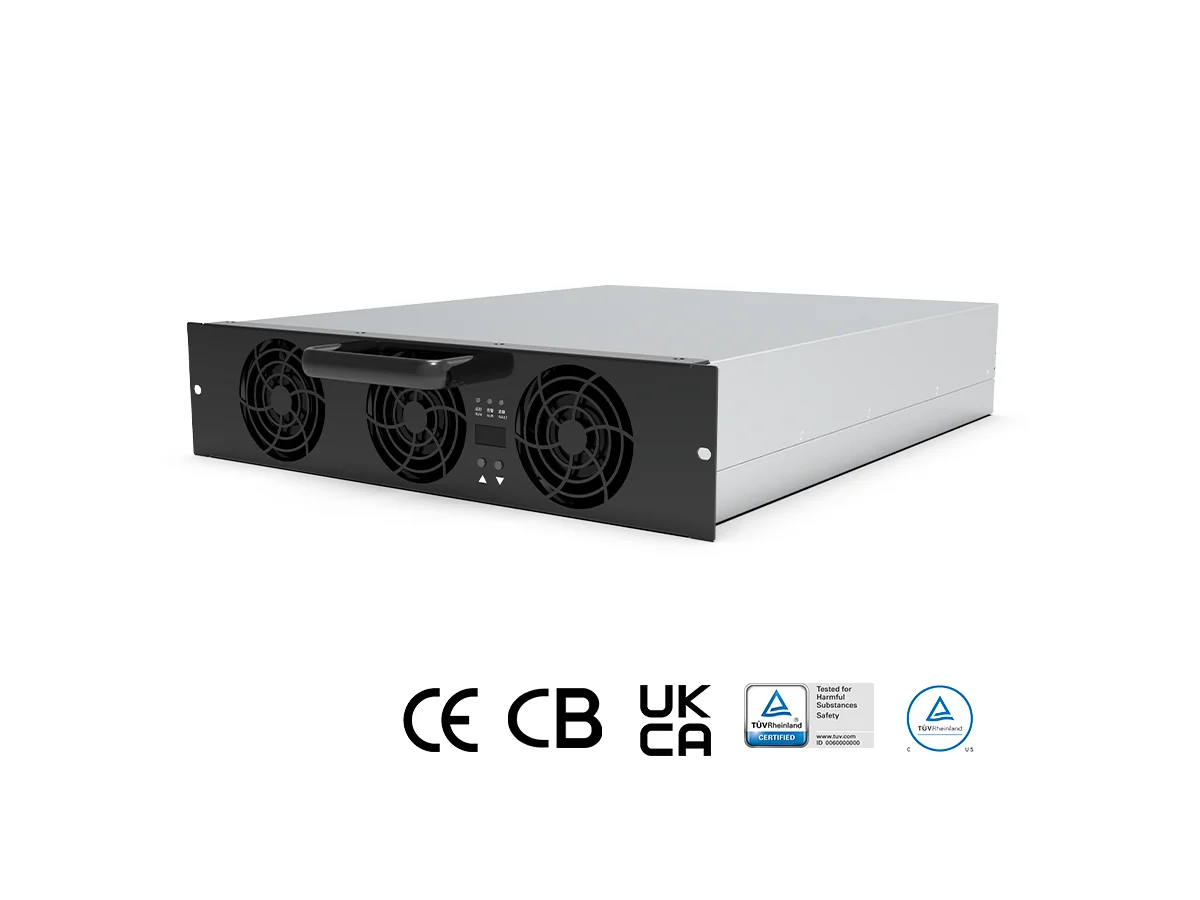
Deep Dive: The Hidden Cost of “More Than You Need”
What’s breaking under the hood?
Here’s the technical bit, kept straight. Many legacy DC cabinets used bidirectional power converters even when vehicle-to-grid was not required. That added reverse-path silicon, extra gate drivers, and more complex control loops. The result: higher standby losses, tougher EMI filtering, and bulkier thermal design. Under real load profiles—think 10% to 70% duty with frequent ramps—these layers raise stress on the isolation transformer and DC link capacitors. Service calls follow. A focused unidirectional charging module trims that baggage and cuts failure points. With SiC MOSFETs, interleaved stages, and a clean one-way topology, you get higher partial-load efficiency and tighter thermal margins. — funny how that works, right?

Operators feel it in the field. Less complexity means fewer edge cases in firmware, simpler CAN bus maps, and faster isolation checks during boot. It also shrinks heat sinks, so airflow is calmer and fan curves can be gentler, which reduces dust intake over time. That pushes MTBF up without fancy tricks. And because EMI filters can be tuned for one direction, certification is smoother. The old fix of “add more buffer” often led to weight, noise, and cost. A unidirectional path avoids that drag while keeping safety clear: solid isolation, predictable fault response, and straightforward protections. In short, the lean route clears the queue faster and keeps OPEX tame. That’s the pain point most drivers never see—but operators live with every day.
Comparative Lens: How Next-Gen Modules Raise Throughput Without Drama
What’s Next
Forward-looking design is not magic; it’s smart principles. New cabinets use higher-frequency switching with SiC devices, digital control loops that map efficiency across the load curve, and phase interleaving to flatten ripple. Pair that with better thermal paths and you get stability at 10% load and at full blast. A modern DC fast charging power module proves this by hitting strong kW-per-liter and low mΩ conduction routes, without overcomplicating the reverse path. Isolation stays robust, EMI stays tidy, and firmware upgrades can target real gains—faster ramp control, cleaner handshake with OCPP backends, and safer derating when a fan stalls. The win is quiet: more cars served per hour, fewer callouts, calmer nights for the ops team.
So how do you choose, practically? Use three checks. 1) Efficiency map, not just a single peak—look at 10%, 30%, 50%, and 100% load with thermal derating behavior called out. 2) Density with cooling truth—kW/L and kW/kg alongside acoustic targets and filter size; no hidden bulk. 3) Control and compliance—clean CAN profiles, robust fault logs, and clear EMI margins with isolation test data. Compare these across vendors, apples to apples, and the simple one-way module often edges ahead—because less to tune means less to fail. And yes, the queue moves. That’s the point, la. For a grounded view of hardware choices and ecosystem fit, see winline charger.