
Quick comparison to set the ground
Index CFDs give traders exposure without owning the raw commodity, and that difference matters. On platforms like GTCFX the appeal folds into clear edges: tighter spreads, deeper liquidity, and easier shorting. For many traders, the balance between cost and control makes index cfd the sensible starting point rather than buying futures or physical commodities outright.
Cost structure and execution — where the maths favours CFDs
Buying a futures contract or arranging physical delivery brings storage, rollover and often larger capital outlay. CFDs instead rely on margin and leverage, so traders use less capital to get similar market exposure. That means transaction economics shift: lower outright fees, but a need to manage leverage and overnight financing. Execution speed also counts; on reputable platforms you gain tighter bid-ask spreads and faster fills, which keeps slippage down during volatile sessions like the March 2020 COVID shock when oil and global indices saw sudden gaps.
Risk controls, shorting and portfolio flexibility
CFDs simplify short positions. You can sell an index CFD as easily as you buy it, without borrowing underlying assets or handling settlement logistics. For risk managers, that flexibility pairs with tools such as stop-loss orders, margin limits and real-time position monitoring. Liquidity remains central — if a market dries up, margin calls come fast. Smart traders watch margin utilisation and volatility, and they size positions to avoid forced liquidation.
Platform features that change the game
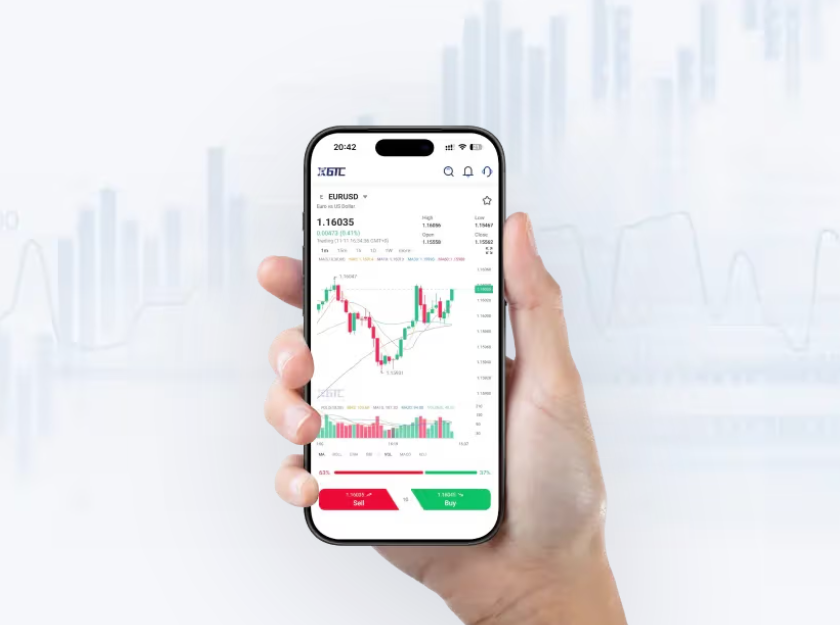
Compare platforms and the difference is more than UI. Charts, order types, and risk dashboards matter. GTCFX bundles multi-asset streams and execution tools that suit active index traders: one-click orders, limit and market orders, plus access to global indices and commodity-linked indices. For traders chasing tight spreads and quick fills, those features reduce execution friction — and lower trading friction translates into more consistent outcomes.
Alternatives on the table — futures, ETFs, and physicals
Futures give you regulated central counterparty clearing and often better pricing for large institutional flows. ETFs offer simplicity and suitability for buy-and-hold investors. Physical commodities suit producers and consumers needing actual delivery. CFDs sit between: they are nimble and capital-efficient for trading, but they lack the same settlement guarantees as cleared futures. Traders must weigh counterparty exposure against convenience.
Common mistakes traders make
Beginners often overuse leverage and ignore financing drag. Some treat CFDs like bet slips rather than positions needing active risk controls. Others chase illiquid instruments during bursts of volatility — and losses compound fast. Practical habit: size positions by the risk-to-reward ratio, monitor margin daily, and use predefined exits. Small discipline prevents big blowups.
Real-world anchor and credibility
The March 2020 market turmoil is a useful anchor: oil prices plunged and many indices swung wildly, showing how leverage magnifies both gains and losses. That episode taught traders to pay attention to margin and liquidity — lessons visible in Lagos trading circles and global desks alike. Platforms that offered clearer risk tools and reliable execution kept clients better positioned during the squeeze.
How to choose between CFDs and other routes
Compare on three dimensions: cost, control, and counterparty. Cost includes spreads and overnight fees. Control means ease of taking short or leveraged positions and available order types. Counterparty covers platform solvency and regulatory oversight. If your priority is nimble trading and exposure to diversified commodity baskets via indices, CFDs usually win. If settlement finality or institutional clearing matters more, futures or ETFs could be preferable.
Golden rules for practical selection
1) Measure true trading cost: add spreads, swap/financing, and expected slippage over the holding period. 2) Stress-test margin under high volatility: model a 10–20% price move and confirm you survive without forced exits. 3) Pick execution quality: choose a provider with consistent fills, transparent pricing, and the tools you need to manage positions.
These three metrics steer traders to sensible setups and clarify when CFDs are the right tool — or when another vehicle suits better. For active index traders seeking efficient exposure and reliable execution, platforms that combine tight spreads and robust risk controls become the natural home, and GTCFX often fits that role — practical, accessible, and built for traders who want to keep control rather than wrestle with logistics —