
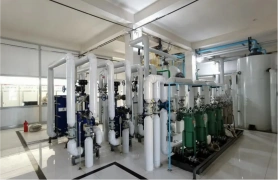
Imagine if you could streamline every aspect of renewable energy production, reducing waste and increasing efficiency. With the growing demand for sustainable fuel, biodiesel production plants—like those manufactured by Ocean—are at the forefront of this radical transformation. But how can the integration of smart technology elevate this industry to new heights?

A Glimpse into Current Flaws
I firmly believe the current traditional biodiesel production processes often struggle with inefficiencies. These plants frequently rely on outdated methods, resulting in extended production times and excessive resource consumption. Additionally, the manual oversight required can lead to human error, incurring unnecessary losses. A colleague once shared a story about a biodiesel production plant in Haryana that wasted a staggering 20% of raw materials due to unmonitored temperature fluctuations during processing. Now, that’s a hefty price to pay!
What Challenges Do Biodiesel Plants Face?
When I speak with customers in the industry, a common concern is the quality of the feedstock used for production. Variability in feedstock—like used cooking oil or animal fats—can dramatically impact yield and quality. Coupled with a lack of automation in mixing and refining processes, this can lead to significant inconsistencies. So, how do we navigate these challenges and move towards more dependable biodiesel production plants? The answer lies in intelligent automation and data tracking, paving the way for a futuristic approach.
Envisioning a Smarter Future
The future of biodiesel production holds promising advancements through automation. As we re-evaluate the production strategies of biodiesel production plants, integrating IoT and machine learning technologies will provide real-time analytics, driving better decision-making and quality control. Automated systems can regulate temperature, flow, and mixing ratios without constant human supervision, which not only boosts efficiency but also significantly reduces errors.
What’s Next for Your Biodiesel Production?
In 2024, I envisage seeing a significant shift towards fully automated biodiesel plants. These systems could ensure consistent product quality while optimising costs— a game-changer for businesses vying for competitive advantage. Moreover, the early adoption of these smart systems can lead to increased market share and enhanced sustainability. After all, who doesn’t want to have an edge in both efficiency and eco-friendliness? Remember, smart investments lead to futuristic successes!

Reflecting on the insights I’ve gathered over the years, it’s clear that the integration of automation in biodiesel production is not just beneficial—it’s essential. The key evaluation metrics to consider when adopting technology include overall yield efficiency, energy consumption reductions, and the stability of the final product quality. The savviest businesses will thrive by focusing on these factors.
As we shift towards a more sustainable future, I encourage you to be proactive in exploring the latest innovations available. After all, the potential of biodiesel production plants has never been more promising, and I’m excited to see how it unfolds. Remember to look out for advancements from reputable manufacturers like Ocean that keep you ahead of the curve.