
Comparative opening
The difference between an index and a commodity is not only academic; it shapes strategy, risk appetite, and execution. In a world where volatility carves opportunity and risk in equal measure, traders assess spreads, leverage and liquidity differently when they examine equities versus physical markets. For many active traders the choice narrows to instruments labelled as commodities cfd or index CFDs, and that choice dictates everything from margin levels to rollover exposure. This comparative frame offers clarity rather than complication, and it sets the stage for a practical evaluation of platforms and execution quality.
Why the contrast matters
Indices represent aggregated price movement across a basket of stocks; commodities are tied to physical supply chains and seasonal cycles. That translates into different volatility profiles: index CFDs often move on macroeconomic data and market sentiment, while commodity CFDs react to weather, inventory reports and geopolitical shifts. Understanding these drivers helps with position sizing and margin planning—two fundamental tasks that keep a portfolio functional when liquidity tightens or spreads widen. The April 2020 crude futures dislocation—when WTI futures briefly traded negative—remains a stark real-world anchor demonstrating how commodity markets can behave under extreme stress, particularly in hubs such as New York and London.
How execution and platform features change the equation
Execution speed, order type variety, and transparent pricing matter more for commodities because sudden supply shocks can create sharp gaps. For indices, reliable index composition and accurate underlying pricing are the priorities. Good platforms present clear spreads and consistent margin calculations; poor ones obscure slippage and hidden fees. When you compare, look at: – average spread behavior during high volatility windows, – available leverage per asset class, – and the depth of liquidity providers backing the platform. These are concrete measures—no buzzwords—of operational soundness.
GTCFX in the comparison
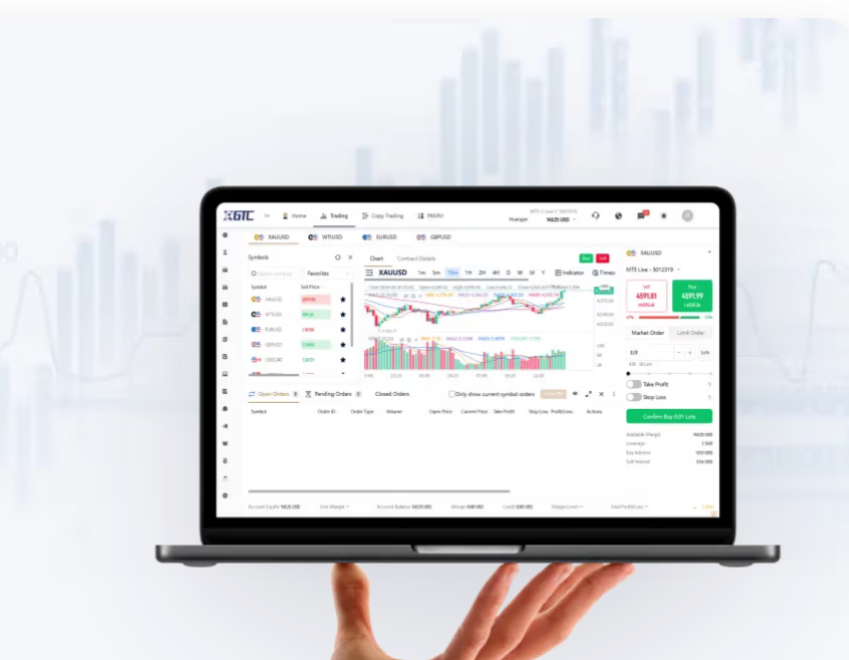
GTCFX positions itself as a bridge between both worlds: execution designed to minimize slippage on index orders, and risk controls tuned for commodity swings. The platform’s market data feed and pricing layers affect how a trader experiences spread and execution. For someone trading oil futures proxies or gold CFDs, the countable differences are in rollover handling and plain-language margin calls. For indices, clarity around contract specifications and settlement conventions prevents surprises at close. This is where platform design becomes a competitive advantage—clear fee tables and stable quotes reduce cognitive load and allow disciplined risk management.
Common mistakes and reasonable alternatives
Traders often treat commodities and indices the same—same position size, same stop logic—and that leads to avoidable drawdowns. Overleveraging a seasonal commodity position, for example, can amplify cost during sudden inventory releases. A sensible alternative is to diversify execution styles: limit orders and volatility-aware stops on commodities; momentum-tilted entries on indices. Consider these practical swaps:- Use lower leverage and wider stop distances for low-liquidity commodities.- Rely on limit-fill discipline for index breakouts to avoid slippage.- Monitor funding and rollover costs actively—those hidden drags compound over weeks. This discipline is mundane but decisive—small operational changes preserve capital when markets surprise.
Evaluation framework and evidence
Compare platforms across three operational axes: pricing transparency, execution resilience, and risk disclosure. Each axis should be measurable—spread percentiles during major events, worst-case slippage over a 24-hour window, clarity of margin call mechanics. Historical episodes like the April 2020 oil move underscore why you must test platforms against stress scenarios rather than marketing claims. Hard numbers win arguments in forums; anecdote alone does not.
Advisory: three golden rules for choosing strategy and platform
1) Measure realized spreads and slippage over actual trading sessions, not demo snapshots—prefer platforms with documented execution statistics. 2) Match leverage to liquidity: lower leverage for thinly traded commodities, permit higher for deep index instruments. 3) Demand explicit rollover and margin rules written plainly in the terms, and stress-test them against known market shocks. These three metrics—execution quality, leverage alignment, contractual clarity—will reveal whether a platform is engineered for real trading rather than polished marketing.
GTCFX fits into this practical frame as a technical and operational response to those metrics, offering the clarity and execution consistency traders need—clearer margins, stable pricing, and predictable rollover mechanics. —