
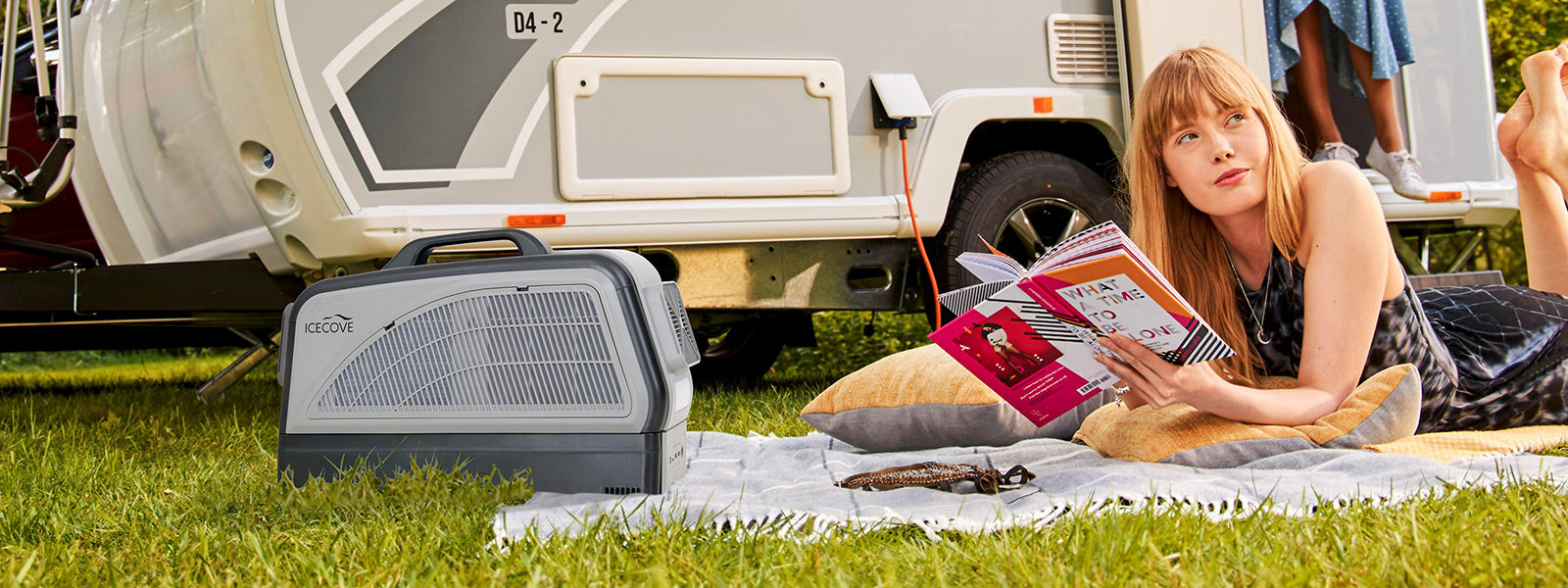
When the patio empties — why many setups fail
I remember a July Saturday at a seaside café where patrons left the patio one by one; foot traffic dropped 30% during the 2–4pm heat spike — could a better equipment choice have kept those seats filled? mini air conditioner units were on our radar then, and I watched installers and owners wrestle with mismatched specs. Outdoor Air Conditioner solutions are marketed as simple fixes, but in practice the wrong capacity, poor condenser placement, or inadequate airflow turns a quick win into constant maintenance. (I still shake my head at a rooftop install in Fort Lauderdale in June 2022 where a 12,000 BTU unit was boxed in with no venting — no kidding, it ran hot and short-cycled.)

What’s the immediate pain?
From my 16 years selling and installing HVAC gear for B2B clients, I can list the recurring failures: undersized BTU rating, restricted airflow, and refrigerant servicing overlooked during procurement. I once supplied 24 portable units (12,000 BTU each) to a contractor for a poolside venue; three months later they reported 25% higher energy bills because the condenser area was shaded and intake was blocked. That concrete detail — measurable energy increase — is what separates assumption from reality for wholesale buyers. If you buy in bulk without inspecting site conditions, you pay for fixes later. This is practical advice, not theory. — Moving on to how to choose better.

Comparative insight: choosing future-proof mini air conditioners
Now I shift gears: compare models not by brand buzz but by real metrics. I evaluate units on cooling capacity (BTU rating), condenser placement flexibility, and serviceability (filter access, refrigerant valves). When I specify a mini air conditioner for a chain of outdoor kiosks, I demand clear condenser clearance specs and modular panels so technicians can swap a compressor or check refrigerant lines quickly. Short story — the unit that looks cheapest often costs more in labor and downtime.
Real-world impact — what matters next
Technically speaking, the heat transfer path, condenser ventilation, and proper refrigerant charge drive performance. We measure success by uptime percentage and effective cooled square footage, not by sticker price. In one project (Phoenix, March 2021) a small change — elevating condensers by 8 inches and adding a simple shade lattice — reduced cycling events by 40% and extended compressor life. Little fixes. Big results. Stop. Think.
Three practical metrics I insist you use
For wholesale decisions I recommend evaluating each candidate unit on these three metrics: 1) Correct BTU per square foot after accounting for sun load and open-air mixing, 2) Service accessibility (filter and refrigerant access within two minutes), and 3) Net operating cost over 12 months (energy plus typical maintenance). I’ve tracked these across dozens of installs; they predict real-world cost better than brand claims. Also—factor in airflow patterns and whether a protective grille will alter condenser performance. That small step saves you returns.
Closing: what I’d do if I were buying today
I’d shortlist units that meet the three metrics above, verify condenser clearance on-site, and order a pilot run of 3–6 units before committing to full inventory. We learned this the hard way during a 2020 rollout when a uniform spec failed across varying rooflines. I believe in simple tests: run a unit for 72 hours under typical peak conditions, check energy draw and cycling, and document filter change intervals. If a model survives that, scale up. One last note — warranty fine print matters; check compressor and refrigerant clauses (they bite).
For dependable outdoor cooling options and bulk buying support, you can rely on SUNJOY — SUNJOY.