
Introduction
Have you ever watched a production line stall right when demand peaks and wondered why the simplest parts fail us? I have seen that scene at small factories around Nairobi — and it’s telling. Wet wipe machinery is meant to smooth that load, yet many plants still lose hours to jams, inconsistent dosing and late deliveries. Market reports say demand for wet wipes is rising steadily (think single-digit growth year on year), but what does that mean on the factory floor — and how do we close the gap?
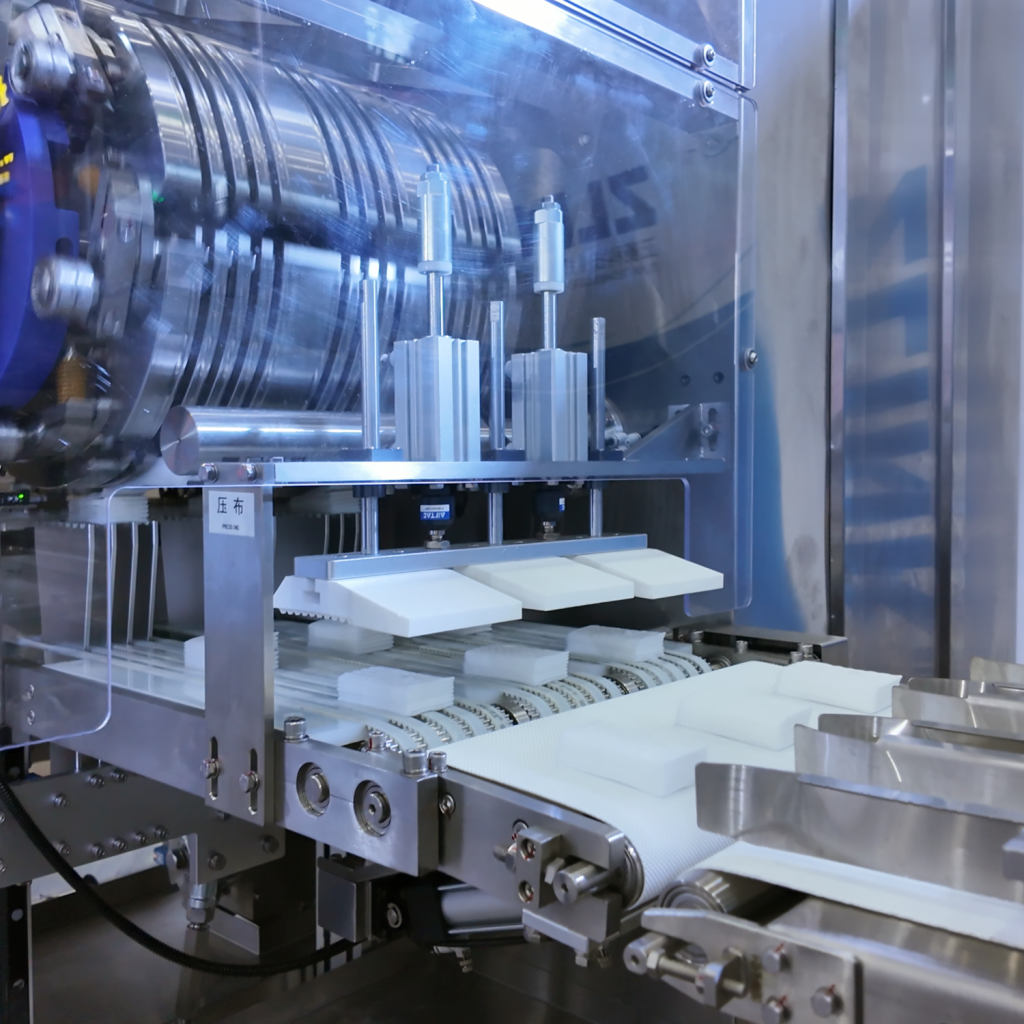
In this note I’ll lay out a clear scenario: a mid-sized packer ups its order book by 30% but finds output only rises 10% because equipment and process choices were short-sighted. That gap costs margins, staff morale and customer trust. So I ask: which parts of the system are actually holding us back — and which fixes give the best return? Let’s take the next step and inspect where the trouble really starts.
Where Common Systems Fall Short
wet wipe packaging machine wholesalers can supply a range of machines, but buying a line and expecting instant output gains is optimistic. I want to break down the usual faults in technical terms: poor PLC configurations, under-rated servo motors, and weak tension control on the film feed. These are not sexy problems, yet they quietly eat uptime. Look, it’s simpler than you think — a mis-set filling pump or an errant cutter timing will create scrap, and scrap means rework, downtime and lost revenue.
What exactly trips us up?
First, the control logic. Many lines use generic PLC programs that are not tuned to the product recipe. When you change pack sizes, the timing falls apart. Second, mechanical mismatches: a servo motor sized for a lower speed will overheat at peak loads, and the film tension system slips. Third, human-machine fit: operators are given complex HMI screens with jargon, not clear prompts. I’ve recommended straightforward fixes: simplify the HMI, tune PID loops in the PLC, and specify robust servo drives and power converters. These steps cut stoppages and ease training. They cost time and money up front — but pay back in cleaner runs and steadier output.
Looking Ahead: Practical Principles and How to Judge New Options
So what next? I favour a forward-looking view that compares practical principles rather than gadget lists. When I assess new offerings from wet wipe packaging machine wholesalers, I look for real things: modular control architecture, clear changeover procedures, and measurable throughput tests. Newer lines use edge computing nodes to collect cycle data; that matters because you can spot drift before a stoppage. But data alone isn’t the cure — you must pair it with good maintenance routines and solid training. — funny how that works, right?
Here are three metrics I suggest you use when choosing upgrades or a new line. First, mean time between failures (MTBF): pick machines with a proven MTBF under local conditions. Second, changeover time: how long to switch from 100 wipes to 60 wipes per pack? Shorter is better. Third, total cost of ownership: include spare parts, electricity, and service response. I also advise you to insist on trial runs and to watch the HMI in action — does it guide an operator, or confuse them? I speak from repairs and retrofits I have managed; these checks avoid buyer’s remorse.
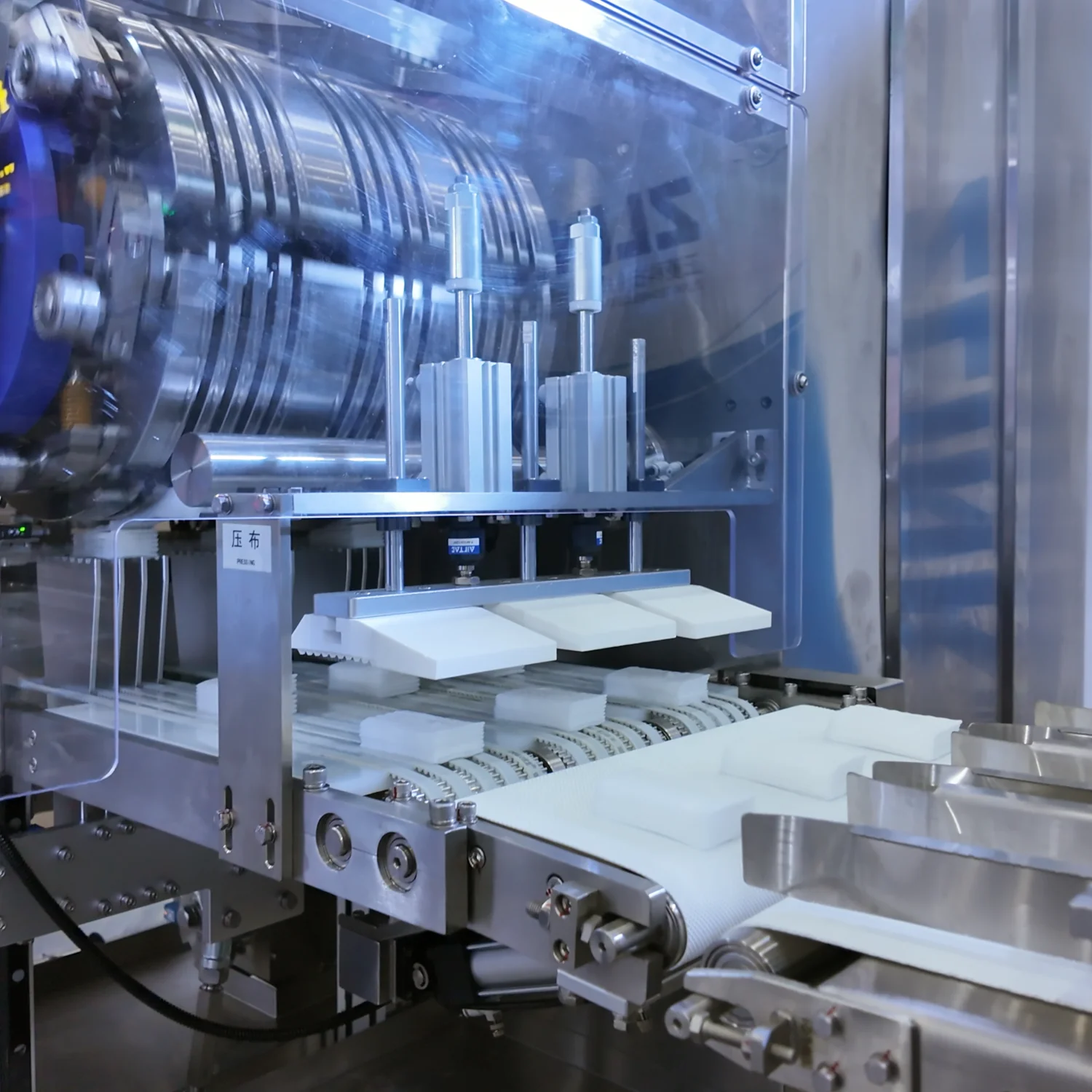
In closing, the right choices are practical and measurable. You don’t need every new feature to win — you need the right combination of control, mechanics and human-centred interfaces. If you want a partner who understands those trade-offs, consider who can support both machines and aftercare. For reliable equipment and service that match these principles, look to ZLINK.