
A speculative lens on why this matters now
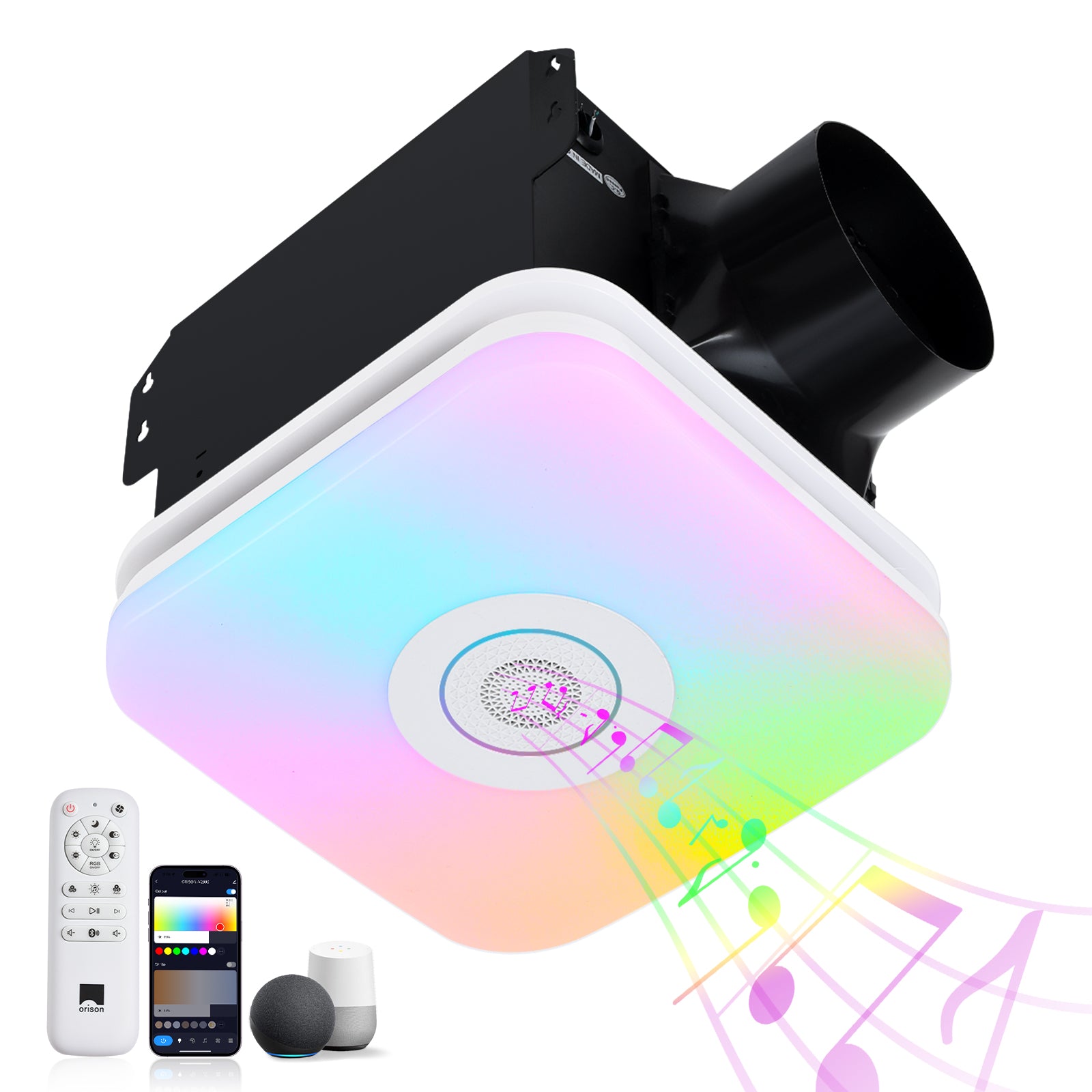
There’s a quiet convergence happening between appliance manufacturing and building ventilation: factories that once chased only cost-per-unit are now adopting safety-first engineering and low‑impact materials, and that shift ripples into the devices we install at home. Think of a new bathroom exhaust fan with light not merely as a fixture, but as a product of refined process decisions—motor selection, thermal protection, and integrated lighting—that shape both safety and carbon intensity. Industry guidance from ENERGY STAR and California’s Title 24 has nudged manufacturers toward higher motor efficiency and quieter operation, so the speculation isn’t wishful; it’s rooted in real policy and market pressure.
Where refinement starts: manufacturing and materials
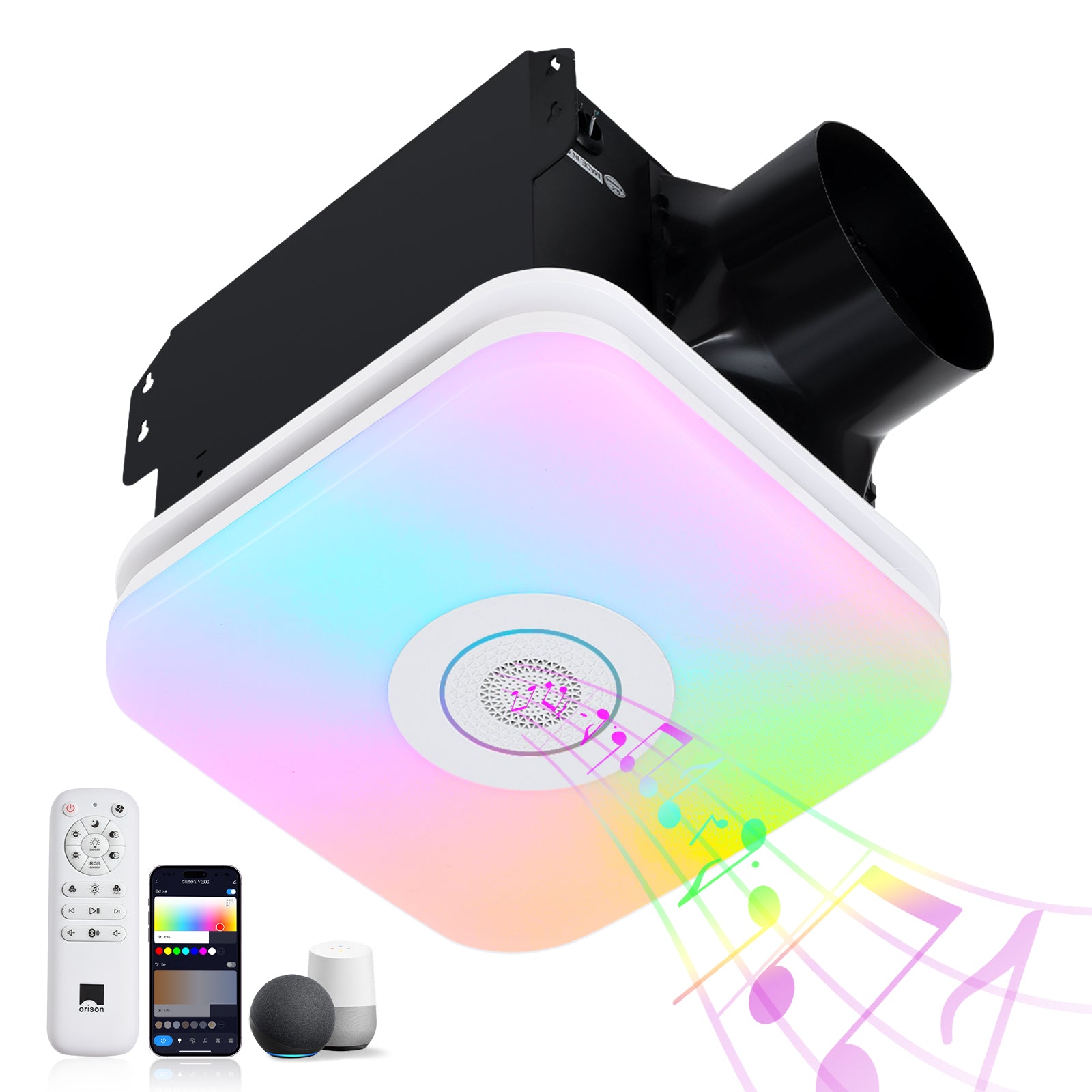
Modern refinements are upstream: better stamping and molding tolerances reduce electrical short risks, improved insulation materials lower heat transfer, and more consistent motor balancing cuts vibration that accelerates wear. These are engineering moves—ECM (electronically commutated motor) choices, tighter bearing specs, and polymer blends for housings—that translate into longer lifespans and fewer field failures. The result is a product that meets higher safety standards and reduces lifecycle emissions simply by lasting longer and needing fewer replacements.
Safety innovations becoming common
Expect a cluster of safety features to grow standard rather than optional. Thermal cutoff switches, reinforced impeller guards, and auto‑shutoff on stall detection are examples. Likewise, integrated humidity sensors and interlocked lighting circuits prevent misuse: if the fan detects excessive heat or a stalled rotor the control logic can isolate the LED driver and motor feed. These features reduce fire risk and call fewer service calls—practical outcomes that matter to installers and homeowners alike.
Eco‑profile upgrades: beyond energy per hour
Eco improvements are not only about lower wattage. Designers now account for embodied carbon, recyclability, and packaging optimization. Ventilation fans with integrated LED modules and higher CFM-per-watt ratios reduce operational footprint; better ducting practices and aerodynamic impeller design cut required CFM for the same performance. In real terms, this means a bathroom vent fan with light can deliver the same ventilation and illumination while drawing less electricity and producing less long-term waste.
Common mistakes in adopting next‑gen units—and how to avoid them
Installers and specifiers often misjudge compatibility and performance expectations. Three repeated errors: oversizing CFM for small spaces (which raises noise and energy use), ignoring sone ratings when specifying units for living-adjacent bathrooms, and assuming retrofit housings accept modern ECM motors without checking mounting and ducting clearances. The fix: verify sone and CFM curves against room volume, confirm duct length and diameter for the rated airflow, and test the new fan with the existing thermal cutoff and wiring—don’t assume plug-and-play. —A little upfront verification saves service visits later.
Looking ahead: plausible near‑term scenarios
In the next five years I foresee three converging trends. First, modular designs that separate LED and motor assemblies for easier repair. Second, firmware-enabled fans that adapt airway flow using on-board humidity sensing and learning algorithms. Third, supply chains that favor low-VOC plastics and recycled metals as standard. Each scenario depends on manufacturing maturity and regulatory nudges—again, policies like Title 24 push manufacturers toward efficiency baselines that make these scenarios commercially attractive.
Comparative note: what to consider when choosing a product
When you compare units, weigh these points:
- Performance: verified CFM and sone ratings at realistic duct lengths.
- Safety: presence of thermal cutoff, stall detection, and UL/ETL listings.
- Serviceability: modular components, replaceable LED modules, and clear mounting compatibility.
Also look at real‑world examples: ENERGY STAR lists and Title 24 compliant products are good starting filters, and user reports from retrofit projects in California often highlight the practical value of quieter, higher‑efficiency fans.
Advisory: three golden rules for selecting next‑gen bathroom ventilation
1) Match the device to the room volume and duct run—don’t rely on nominal CFM alone; check the manufacturer’s CFM vs. duct length curve. 2) Prioritize verified safety features—thermal cutoffs, UL/ETL certification, and clear stall protection reduce liability and service cost. 3) Evaluate lifecycle impacts—ask for data on motor efficiency (ECM vs. PSC), LED longevity, and material recyclability to understand total environmental cost.
These rules direct you toward durable, quiet, and low‑impact choices—products that align manufacturer refinement with occupant wellbeing. In practice, that’s precisely what you get when choosing thoughtfully engineered solutions from brands that integrate safety and eco-design. Orison. —