
Introduction: The Crossroads at the Stoplight
You roll up to a late-night light, the street quiet, the air still. A muscle cruiser idles beside you, thumping with calm power. You want that feeling to be yours—and you want to choose smart. Many riders chase badges or peak horsepower, yet the real edge lives in how the machine behaves in your life. The best muscle cruiser blends raw torque with control you can trust, day after day. Consider the class basics: high torque delivery, long wheelbase, and a curb weight that can pass 500 pounds. Add typical rake and trail that prefer straight-line stability. Great on the boulevard; tricky in a tight alley. So the question is simple: how do you get the look and the grunt without sacrificing real-world ease? (That’s the part most spec sheets gloss over.) Data matters, but context matters more—traffic patterns, heat, road surfaces, even your daily gear.
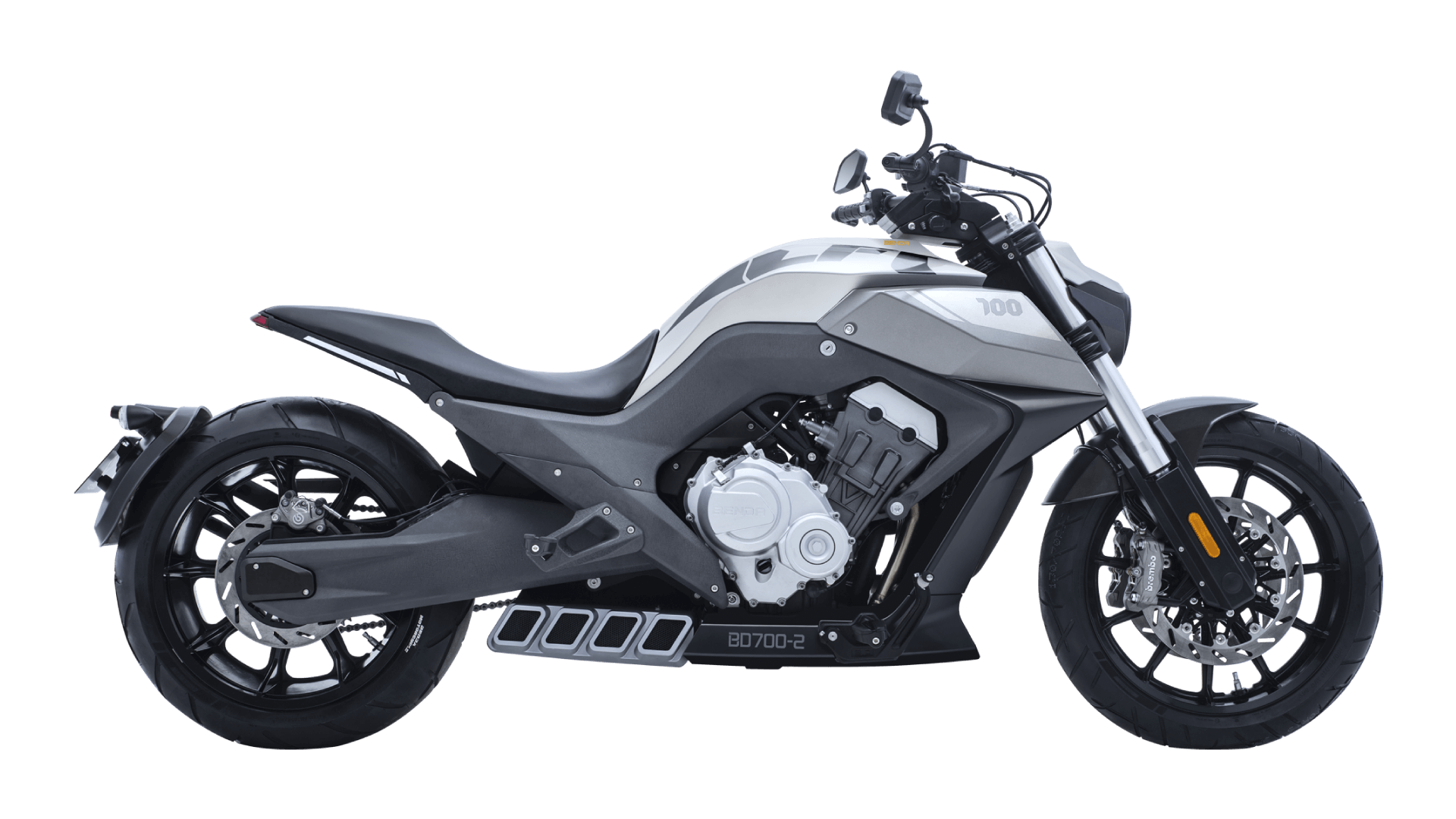
Here’s the plan: break past the brochure, name the hidden gaps, and compare how newer systems close them—cleanly and with less drama. Let’s unpack the gaps and how to close them—fast.
The Deeper Problem: Hidden Pain Points Riders Don’t Say Out Loud
What are we missing?
Technically speaking, most frustrations stem from the interface between torque and control. A steep torque curve can feel thrilling yet snappy at low speed. Combine that with long rake and trail and you get predictable high-speed stability but awkward parking-lot manners. Heat soak creeps in during summer traffic, turning commutes into slow roasts. Stiff clutch pull and tall first-gear ratios tire the left hand. ABS modulation that’s tuned for highway panic stops can feel grabby on patched city asphalt. And when suspension damping is set too firm, every expansion joint becomes a jab. These aren’t “deal breakers.” They’re everyday friction points that make ownership feel heavier than it should.
Look, it’s simpler than you think: the best muscle cruiser setup balances torque delivery with chassis tuning and thermal control. Think smoother EFI mapping, a lighter slipper clutch, and gearing that doesn’t punish stop-and-go. Add ergonomic tweaks—a seat that eases knee angle, mid-forward peg options—and the bike transforms. Even small changes to swingarm geometry and fork valving can sharpen turn-in without killing straight-line calm. Funny thing—most riders only notice after the fix, not before—funny how that works, right? When you reduce micro-fatigue and tame heat, you unlock the core promise: big power, small effort.
Beyond Today: How New Tech Rewrites the Muscle-Cruiser Rulebook
What’s Next
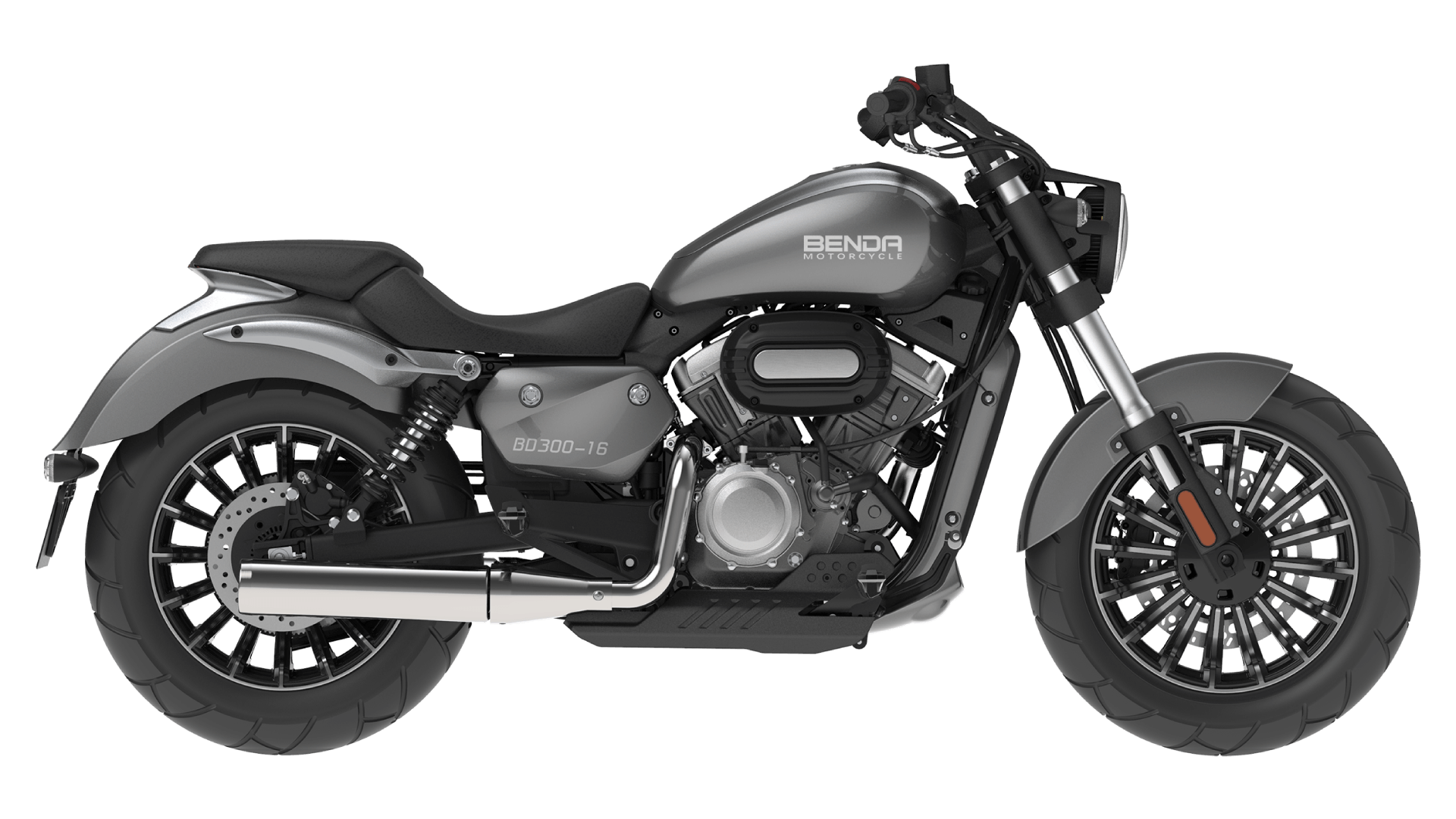
New principles shift the balance. Ride-by-wire lets engineers shape the torque curve by mode, so Rain softens initial hit while Sport tightens response. An IMU watches lean angle and pitch, feeding traction control to keep rear tire slip tasteful, not tense. Semi-active suspension adapts damping as roads change—smooth on the straight, supported in a fast sweeper. Cooling improves with directed airflow and denser fins; fans and shrouds move heat out of the rider pocket. A cleaner CAN bus architecture means fewer gremlins and faster diagnostics. Put this together, and a modern power cruiser motorcycle can feel brawny at launch yet calm at walking pace—two traits that used to fight each other. Add stronger radial calipers and tuned ABS for mixed surfaces, and you stop with confidence, not drama.
So, how do you choose wisely without chasing buzzwords? Start with three metrics that you can feel, measure, and live with: 1) Torque-to-weight at the wheel, not just crank claims—paired with a usable throttle map. 2) Real-world thermal stability—idle temps, fan strategy, and how the bike behaves after ten minutes in gridlock. 3) Chassis fit and geometry—rake, trail, seat height, and reach that match your inseam and roads. Nail those, and features like inverted forks or selectable ABS modes become amplifiers, not band-aids. Summing up: we surfaced the quiet pain points, mapped them to tech that actually fixes them, and set a simple yardstick for judging what comes next. When big power feels light on the rider, the promise lands— and yes, it feels like magic. For ongoing insights and models shaping this space, see BENDA.