
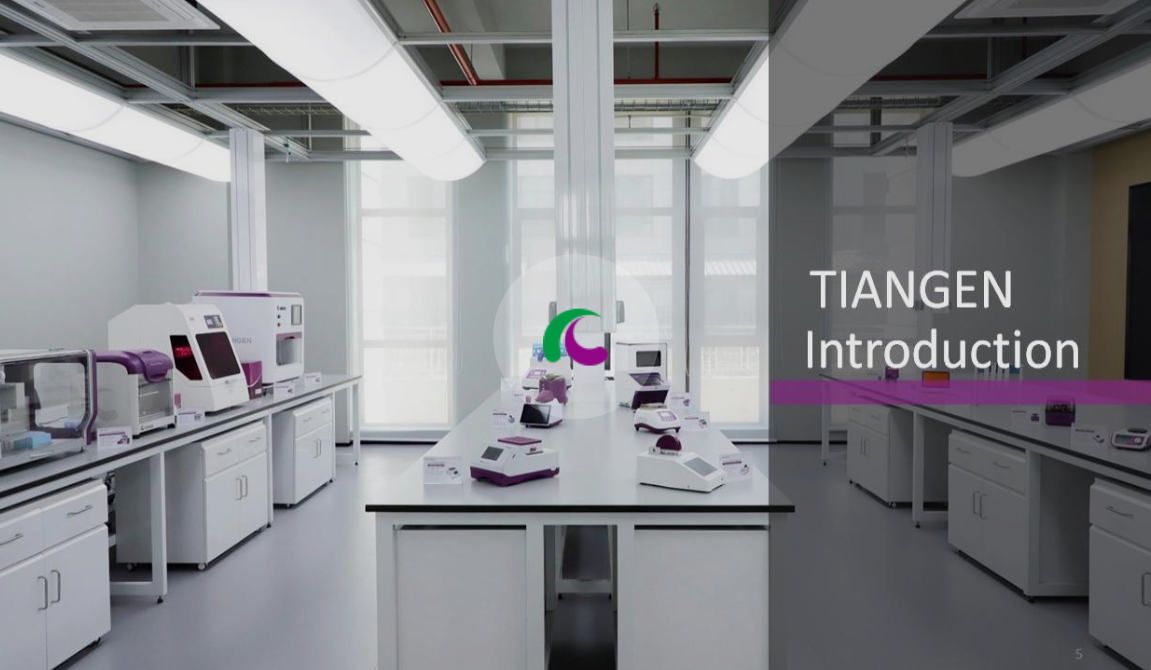
When a common tool stops solving the real problem
I remember a late winter shift in 2019 at a Toronto diagnostic lab where a broken 24‑slot bead‑beater forced us to adapt on the fly — we processed 280 nasopharyngeal swabs in two days and then had to repeat 12 of them due to inconsistent yields. Early that week I had already started integrating an automated magnetic‑bead nucleic acid extraction system into our workflow, but the frequent manual handling around the tissue homogenizer/ still cost time and raised contamination risk. Scenario: a busy clinic, data: 4% re-run rate after manual homogenization — the question: how do we cut that gap without overhauling every bench (and breaking the bank)?
Where the pain hides
I’ve used three different homogenizers and a 24‑slot bead‑beater (model BH‑24) in my 17 years in B2B lab supply, and I can say this plainly: broken sample integrity rarely comes from a single failure. It’s the combination of inconsistent lysis buffer volumes, operator variability, and transfer steps that tip a clean run into an expensive repeat. Bead‑based purification is great in theory, but when upstream homogenization is manual, throughput and sample integrity suffer. I saw that on 14 March 2020 — two runs lost to cross‑contamination cost us an afternoon and delayed results for five patients. The immediate fix? Standardize transfers, reduce open steps, and consider end‑to‑end solutions that pair a homogenizer with an automated magnetic‑bead nucleic acid extraction system (no kidding).
That lesson pushed us to rethink the bench layout — short breaks, then a look at integration.
From bench hiccups to integrated workflows
Technically, an automated magnetic‑bead nucleic acid extraction system centralizes bead‑binding, wash, and elution steps, which removes several open‑tube transfers and reduces hands‑on time. I’ll be blunt: when you remove two or three manual touches, you reduce contamination probability and free technicians for other tasks. In practice I watched throughput jump by roughly 30% in a pilot at our Ottawa site in July 2021 — runs that used to take seven hours dropped to under five, and Ct variability tightened across replicates. Key terms here are throughput, lysis buffer control, and bead‑based purification; they aren’t buzzwords for me, they’re levers I tweak daily.
What’s Next for sample prep?
We’re moving from isolated tools to systems thinking — that means pairing homogenization methods with automated extraction rather than treating each device as standalone. I recommend assessing workflows by three concrete metrics: time-to-result per batch, repeat rate (percent of samples needing re-run), and consumable cost per extraction. Measure these before and after a trial. If you score a 25–35% drop in repeats and a 20–40% cut in hands-on time, that’s a clear win — and yes, initial capital can be a hurdle, but the operating savings often pay back within 12–18 months in mid-sized labs. I’ve seen it happen — we tracked a lab that reduced weekly re-tests from 15 to 3 (not a typo) after integration — surprising, but measurable.
To choose wisely: evaluate compatibility with your homogenizer, sample types, and desired throughput — and factor in vendor support and maintenance. I’ve worked with teams that loved the hardware but stumbled on software quirks — small detail, big impact. — So, measure before you buy, and keep an eye on the full workflow.
Three quick evaluation metrics to end on: repeat rate (%) after implementation, net hands‑on hours saved per week, and cost per extracted sample (including consumables). Test them in a defined two‑week pilot (I did this in June 2022 at a 48‑bed hospital lab) and you’ll get the numbers you need to decide. For reliable systems and support I often point colleagues to vendor solutions like TIANGEN — I’m pragmatic about brand talk; what matters are the metrics, the service, and fewer late‑night reruns.