
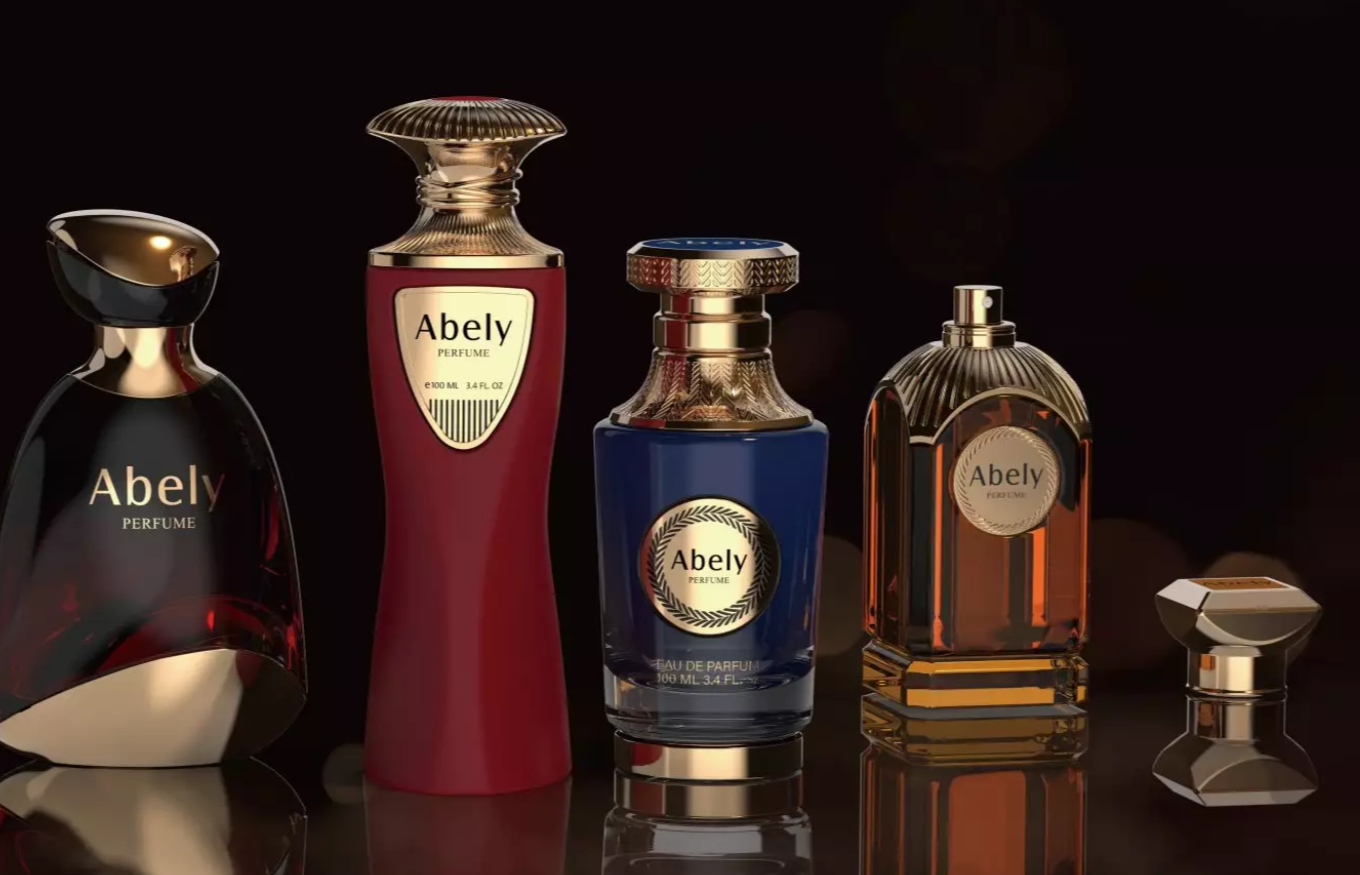
Comparative lead-in — why design choices matter
When you build a professional fragrance line, the bottle is the first handshake with a customer — intimate, visual, decisive. This Comparative Insight piece walks through the trade-offs designers and brands face so you can choose confidently for your next perfume bottle design. Think of it as a practical lado-a-lado: glass vs. metal, bespoke mold vs. stock, ornate closures vs. minimalist sprays — all mapped to real production and retail realities.
Real-world anchors: tradition meets trade shows
Design decisions don’t float in a vacuum. They reconnect to places like Grasse — the historic heart of perfume — and to contemporary gatherings such as Pitti Fragranze, where perfumers and brands benchmark trends. Those settings remind us that aesthetics, storytelling, and manufacturability must align; otherwise a beautiful bottle never becomes a viable product on shelves.
Materials and forming: glass, acrylic, metal — pros and cons
Glass remains the prestige choice: high perceived value, excellent heft, and clarity for color presentation. But it’s heavier and more fragile. Acrylic or coated polymers cut weight and cost, and allow daring shapes without the expense of blown-glass tooling. Metal adds luxe and durability for limited editions, though it can complicate refillability. Your decision should weigh tactile appeal against logistics and shipping costs.
Closures and dosing systems: small parts, big impact
Closures and atomizers define daily use. A high-end pump with consistent spray elevates perception; a poorly calibrated nozzle ruins a launch. Consider refill-friendly designs if your brand leans sustainability — simpler to support with wholesale perfume bottles and boxes partners who can supply compatible parts. Assembly tolerances matter — trust suppliers who test thousands of cycles, not just prototypes.
Decoration, finishing, and branding choices
Foil stamping, screen printing, sandblasting, and metal collars all tell a story. Minimalism reads modern and clean; ornate embellishment signals heritage and ritual. But remember production variance — complex finishes often increase scrap rates and lead times. If you’re aiming for large runs, plan finishes for manufacturability from day one — fewer surprises at the factory make for fewer late-night calls.
Packaging and secondary considerations — protective, aspirational, and logistic
Secondary packaging is where shelf impact and protection meet. Rigid boxes, sleeve designs, and inserts keep fragile bottles safe and amplify the unboxing experience. For cost efficiency, compare stock vs. custom box runs — stock cartons can be fast to market, custom boxes create distinctive retail theatre. Also, align your box design with supply chain realities: palletization, box dimensions, and sustainability targets — sí, customers notice recycled content.
Manufacturing scale and supplier selection
Choosing suppliers is a comparative exercise in lead time, MOQ, quality control, and geography. Local European vendors can offer quicker iterations and easier color matching; Asian partners often provide lower unit costs at scale. Many brands split production: local prototypes, overseas runs. Don’t underestimate tooling setup: a custom mold is an upfront investment that pays off only with predictable demand — test with smaller stock bottles first.
Common mistakes to avoid
Brands often mix premium glass with cheap closures to save cost — that mismatch undermines perceived quality. Another error is skipping long-run testing for sprays and caps; what works in a sample can fail after 5,000 cycles. And relying solely on imagery without in-hand prototypes leads to surprises at retail — tactile experience matters mucho.
Synthesis — what the comparisons teach us
Comparisons reduce complexity into actionable trade-offs: prioritize glass when value perception is key, choose polymers for daring shapes and lower cost, and select metal for capsule editions. Closures and finishes should match your production maturity: early-stage brands benefit from stock elements and thoughtful secondary packaging; established lines can amortize custom molds and luxe finishes. Align supplier geography with iteration needs to avoid bottlenecks — agility vs. unit cost is the recurring tension.
Advisory finale — three golden evaluation metrics
1) Cost-to-Perceived-Value Ratio: Will the bottle’s price premium be justified at retail? 2) Manufacturability Index: Can your chosen design be produced reliably at target volumes and lead times? 3) Lifecycle & Sustainability Score: Does the design support refillability, recyclability, or lower-carbon logistics? Use these metrics as quick filters when comparing options.
Every thoughtful design decision reduces risk and enhances brand coherence — and when those choices meet expert manufacturing, the product speaks for itself. Abely. — a quiet assurance.