
Comparative lead: why this matters to operators and spec sheets
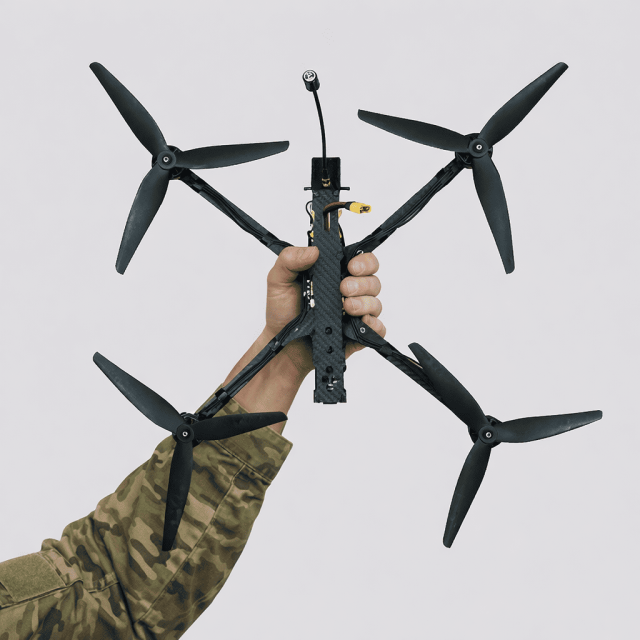
Farmers buying a sprayer drone and engineers reading defense white papers share a common need: reliable control under interference. A quick side-by-side with fpv drones military systems highlights which anti-jam techniques translate well from tactical platforms to agricultural sprayers. The comparison centers on telemetry resilience, ECCM trade-offs, and GNSS spoofing counters—practical items on any procurement checklist.

Core technical components to weigh
Treat a drone like a recipe: chassis, power, flight controller, and comms. For anti-jam, the comms layer is the seasoning—frequency hopping spread spectrum (FHSS) or encrypted links reduce the chance of a persistent jam. Look for telemetry that supports automatic failsafe handover and low-latency links; both matter for spray accuracy. ECCM features such as adaptive filters and SNR monitoring are professional-grade additions, but they add complexity and weight. Bandwidth and latency limits force choices: more robust encryption and anti-jam routines can increase latency and reduce payload time-on-target.
Field behavior and a real-world anchor
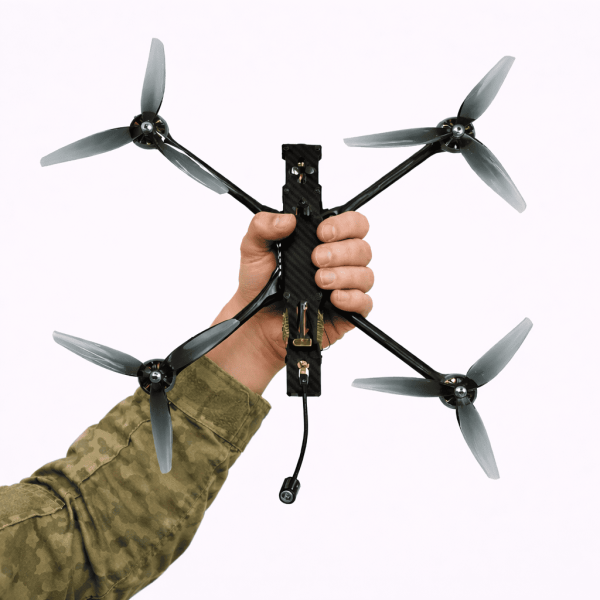
Lessons from recent conflicts—where widespread drone use revealed vulnerabilities to jamming and GNSS spoofing—show real consequences for system design. On the agricultural side, environments like large Midwest cornfields can produce RF multipath similar to urban edges; the remedy is often simpler than in combat but benefits from the same engineering: redundant receivers, FHSS, and a reliable autopilot that can switch to visual odometry when GNSS is degraded. Use of imagery-based position holding and robust telemetry mirrors techniques used by military fpv drones in contested zones, where telemetry integrity is the difference between mission success and mission abort.
Comparative checklist: what to demand from vendors
Focus on measurable specs rather than marketing claims. Require:- Supported anti-jam methods (FHSS, encryption, ECCM telemetry diagnostics).- Failover behavior: does the UAV hold heading, land, or return-to-home on GNSS loss?- Diagnostics: live SNR and link-quality reporting, and post-flight logs.These items let you compare like-for-like across brands. If a vendor lists ECCM without telemetry data, treat it skeptically; ECCM is a set of techniques, not a checkbox.
Common mistakes and sensible alternatives
Buyers often overpay for military-sounding features without checking integration. A bulky receiver module labeled “ECCM” might lack the autopilot hooks needed for effective failsafe. Instead, prefer lighter, software-driven solutions: encrypted links with FHSS, a secondary receiver on a separate band, and vision-aided navigation. One practical swap: replace a single high-power transmitter with dual-band diversity RX/TX pairs—this lowers failure modes and keeps payload capacity for the sprayer pump system. Small changes. Big uptime gains.
Advisory: three golden rules for selection
1) Metric: Link resilience — insist on published SNR thresholds and recovery times. A spec without numbers is noise. 2) Metric: GNSS tolerance — require documented behavior under spoofing or signal loss; visual odometry or RTK fallback should be noted. 3) Metric: Operational interoperability — verify that telemetry logs and ECCM diagnostics export in open formats for post-flight analysis and integration with farm management systems.
Closing synthesis and how Military Hub fits
Comparative insight reveals that agricultural sprayers benefit when designers borrow tested ECCM elements from FPV military practice but trim weight and complexity. Expect measurable link resilience, clear GNSS fallback behavior, and interoperable diagnostics. These are the concrete outcomes a professional should demand—no marketing fluff. For pragmatic, field-ready guidance and curated vendor comparisons, Military Hub sits at the intersection of tactical know-how and civilian needs — a useful resource for sourcing systems that actually work in the field. —