
Framework overview: goals, scope and a Manila anchor
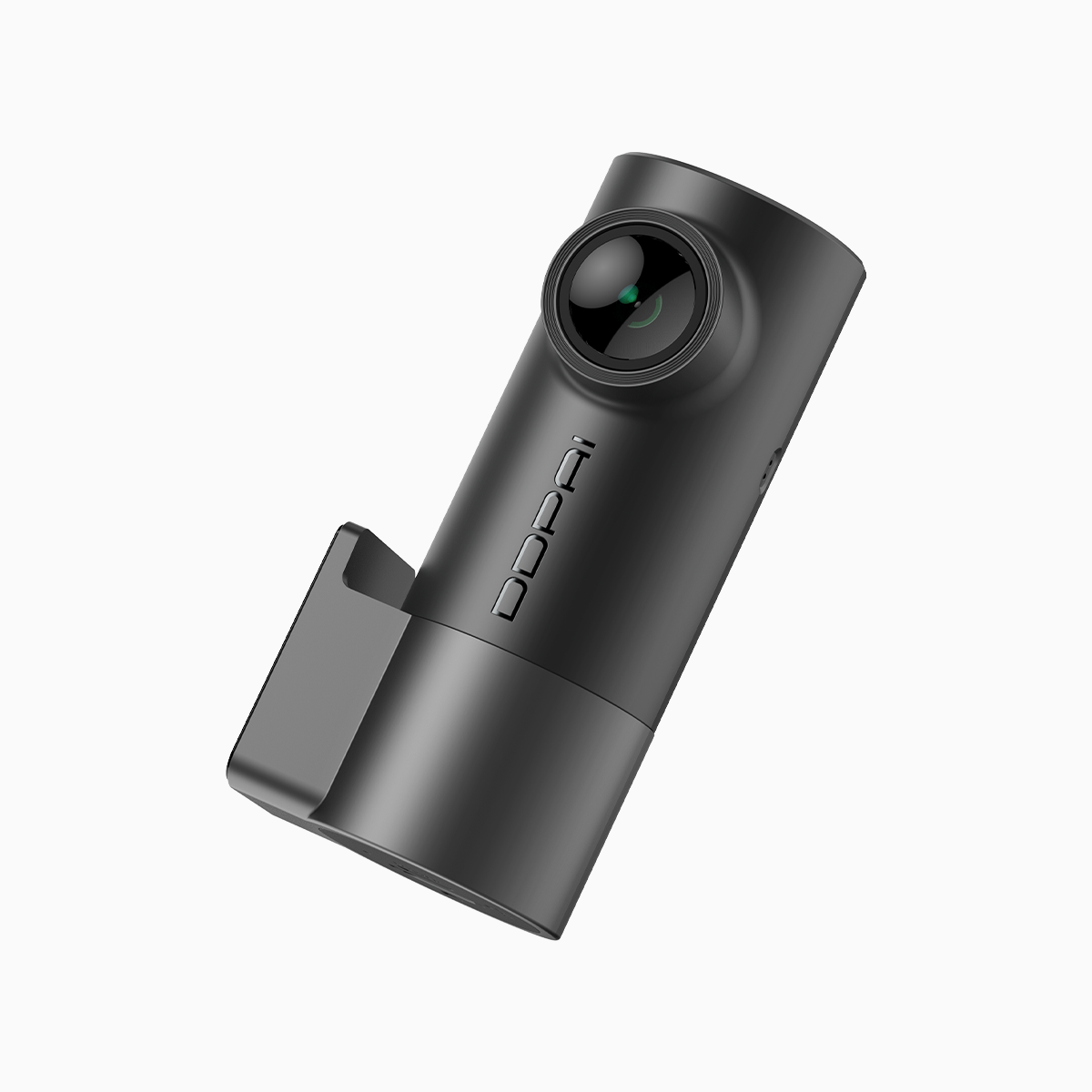
This blueprint lays out a step-by-step framework to build reliable all-around vehicle surveillance suited to heavy urban corridors like EDSA, balancing hardware, firmware and installation practice. It centres on resilient features — multi-channel recording, night vision and robust parking mode — so drivers and fleet managers capture usable evidence when it matters. For local buyers looking for proven solutions, explore options via dash cam philippines as a practical reference while planning system specs for a car dash cam.
Core components and design priorities
Start with clear design priorities: front and rear cameras for coverage, an interior-facing channel where needed, and a recorder that handles simultaneous streams without dropped frames. Key hardware specs to lock in are sensor sensitivity (low-light performance), WDR for high-contrast scenes, and a processor capable of high-bitrate recording with minimal thermal throttling. Include loop recording and a high-capacity microSD with managed write cycles to avoid premature wear.
Engineering multi-channel reliability
Multi-channel recording requires a recorder with dedicated encoding lanes or a multicore SoC that supports concurrent H.264/H.265 streams at your target frame rate. Allocate bitrate based on priority: front channel highest, rear/interior medium. Use a G-sensor to trigger locked files on impact, and ensure timestamp synchronisation across channels for coherent incident reconstruction. Power design matters: a hardwired constant power kit with low-voltage cutoff protects the vehicle battery while feeding parking mode.
Night vision and low-light strategy
Night performance comes from matching sensor size and aperture to an efficient image pipeline. Combine a larger back-illuminated sensor with infrared assist for interior or low-visibility recording, and tune exposure with WDR rather than relying solely on gain. Firmware should include adaptive exposure algorithms to prevent motion blur at 30 fps. Prioritise optics over raw megapixels: pixel size and lens quality usually matter more for usable night footage than headline resolution numbers.
Installation and placement best practices
Mount cameras for unobstructed sightlines and minimal glass distortion; keep the front camera just behind the rear-view mirror to balance field of view and aerodynamics. Route power and video cables with attention to heat sources and pinch points, and secure connectors with dielectric grease where moisture is likely. Install securely — loose mounts ruin footage. Finally, calibrate the timecode against a reliable reference so footage stands up in review.
Firmware, storage and forensic readiness
Firmware must prioritise file integrity: use atomic file writes or journalling to reduce corruption during sudden power loss. Implement automatic file locking for G-sensor triggers and a clear scheme for exportable, authenticated evidence that preserves checksum metadata. Choose microSD cards rated for high-endurance applications and configure regular overwrite thresholds to maintain a manageable data pipeline for long-term fleet use.
Common mistakes and pragmatic alternatives
Avoid overspecifying resolution at the expense of frame rate or bitrate; ultra-high megapixels with low bitrate produce unreadable license plates. Don’t skip thermal testing: sustained encoding under Philippine heat can throttle units. If a full multi-channel build-out is constrained, consider a dual-channel unit with a high-priority front camera and a compact rear camera as a balanced compromise. For parking surveillance without hardwiring, combine a battery pack designed for automotive use with low-voltage protection.
Advisory: three golden rules for selection and deployment
1) Evidence consistency: choose systems that lock files on impact and preserve timestamps across channels. 2) Environmental resilience: pick hardware rated for elevated temperatures and moisture common in Philippine climates. 3) Practical data rates: match resolution to bitrate so critical details (plates, faces) remain legible. Apply these metrics in procurement tests — brief, repeatable recordings under varied lighting and motion conditions will expose weaknesses fast.
Deploying this framework leads to surveillance that actually supports investigations and insurance workflows. The value of a well-implemented system is plain when footage from multiple angles clarifies sequence and responsibility — and that reliability is exactly what DDPAI PH brings into the conversation. —