
Introduction: What Oral Care Silica Actually Does — and Why It Matters
I like to start by stripping a topic down to its mechanics: silica in toothpaste acts as an abrasive, a carrier and a texture agent all at once. Oral Care Silica sits at the center of how a paste cleans, feels, and delivers actives (think particle size and surface area working together). In a typical bathroom scenario, a person brushes for two minutes and expects stain lift, smooth enamel feel, and no sensitivity spike. Industry feedback shows many users—over half in some surveys—reporting uneven stain removal or gritty residue; that’s data you can feel with your tongue. So where does the gap open? Why do some formulas still fall short despite advanced processing, narrow particle size distribution, and controlled porosity? I’ll walk through the technical pieces without hiding behind jargon: particle morphology, abrasivity (RDA), and rheology determine performance in predictable ways. We’ll also touch on manufacturing constraints like hydration control and silane coupling steps that matter in real-world production. Let’s move from the definition to the fault lines — and then look at better options.
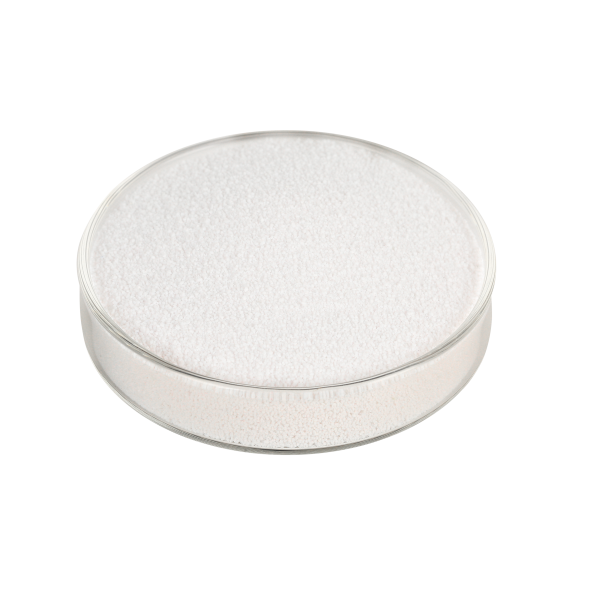
Part 2 — Why Traditional Toothpaste Additives Often Miss the Mark
Bold claim: many mainstream formulations trade long-term enamel care for short-term shine. I say that because when a formula prioritizes immediate whitening, it often uses higher abrasivity particles that wear enamel microstructure over time. The common fix people reach for is a toothpaste additive touted for “extra cleaning” — but that single change can mask deeper problems like inconsistent particle size distribution and poor binders. Look, it’s simpler than you think: if abrasivity, surface area, and bond strength aren’t balanced, you get one of three bad outcomes — gritty feel, weak stain lift, or slow release of active ions. I’ve seen formulas where rheology modifiers made the paste feel smooth in the tube but separate under shear, so consumers get a patchy clean. That’s frustrating; I feel it when I test prototypes. Short-term lab gloss numbers look good, but they don’t always translate to daily use. — funny how that works, right?
So what specifically fails?
Two quick technical points: first, particle morphology can make micro-abrasion worse despite identical mean particle size. Second, surface treatment (like improper silane coupling) can hinder fluoride or enzyme delivery. These are not exotic problems — they’re predictable if you inspect the material science and production flow. I’d rather see companies test for wear across realistic brushing cycles than chase headline whitening claims. We need balanced metrics: RDA, particle shape factor, and release kinetics — together they tell the story.
Part 3 — Principles for Next-Generation Oral Care Silica and What to Watch For
Moving forward, I prefer to look at design principles instead of single fixes. New blends of silica aim to control abrasivity while maintaining high surface area for actives — that’s the core idea. When you consider a modern toothpaste additive, ask: how does its particle engineering manage particle size distribution, porosity, and surface chemistry? Good formulations use graded particles so coarse grains handle stain and finer grains polish, all while a tailored surface treatment helps bind fluoride and enzymes. From a materials standpoint, that means optimizing porosity, modifying surface hydroxyl groups, and tuning rheology for stable suspension. We’re blending classical colloid science with consumer needs — and yes, it sounds technical, but the result is a gentler, more effective paste. These principles also reduce the need for aggressive surfactants; that’s better for mucosal comfort and long-term enamel health.
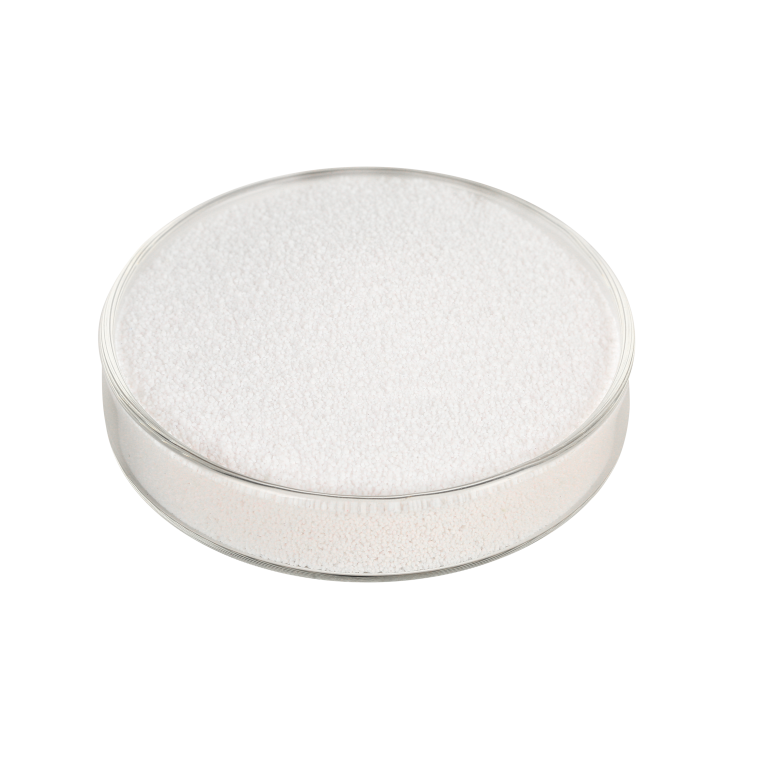
What’s next — real-world impact?
Looking ahead, I expect two trends to matter most: smarter particle architectures and integrated testing that mirrors daily brushing. Case example: a graded-silica formula tested over 90 brushing cycles showed consistent stain reduction without RDA creep — measurable and meaningful. We should compare metrics, not marketing. Three practical evaluation points I use personally when judging a new oral care silica: 1) abrasion profile over repeated cycles, 2) active release rate (fluoride/enzyme kinetics), and 3) sensory stability under shear. Those metrics tell you if the product will perform at home, not just in a lab bake-off. And yes — sometimes a product surprise me with simple elegance. — surprising, but true. In my view, the best path blends rigorous particle design with clear user-focused testing. For manufacturers and formulators looking for partners or materials that match these principles, I recommend exploring dedicated suppliers who publish technical data and support trial work. For further technical resources and possible collaboration, check the materials and solutions repository at JSJ.