
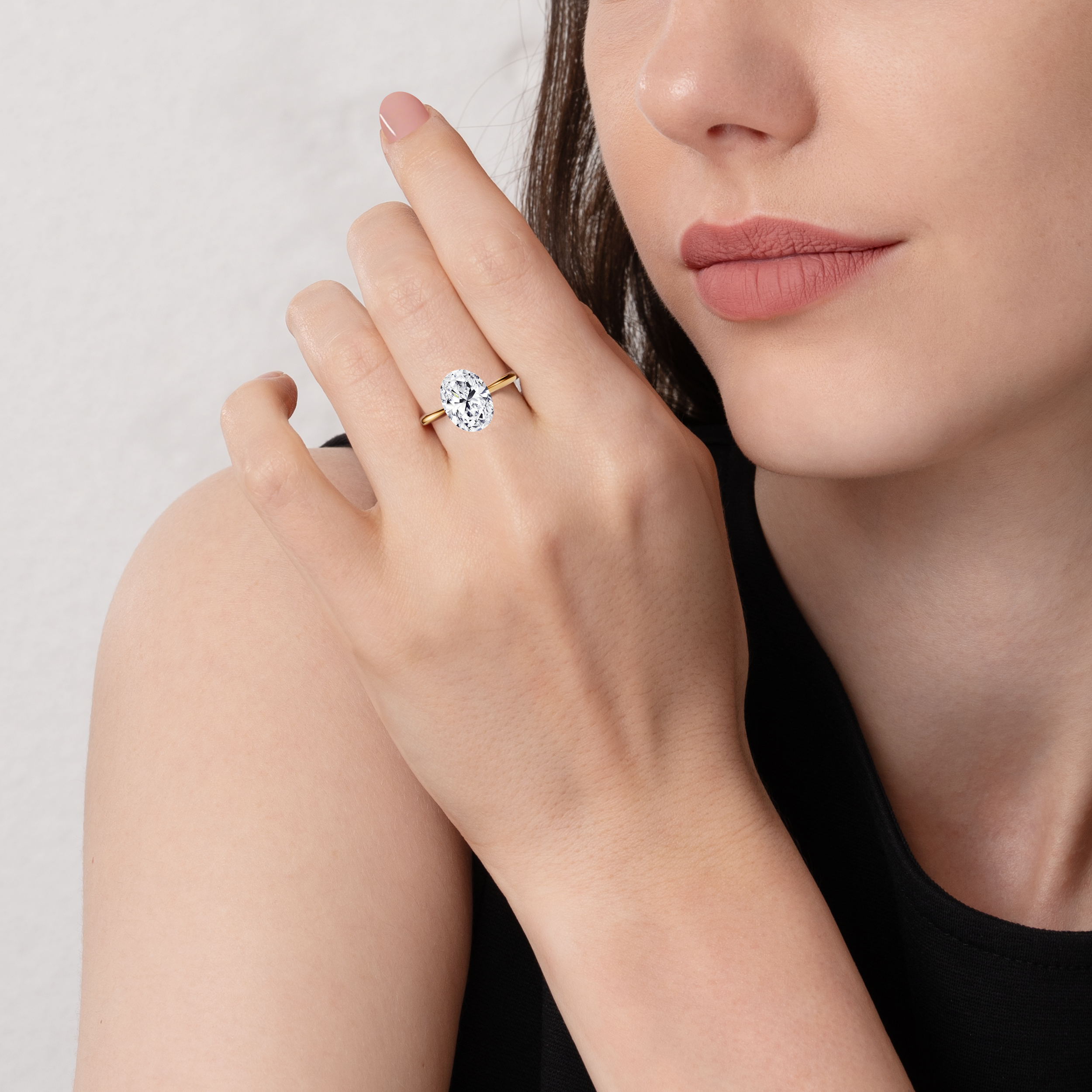
Setting the Scene: A Choice That Finally Feels Clear
You stand under bright showroom lights, comparing two circles of fire that look the same—until they don’t. Lab grown diamond engagement rings enter the frame, and the price math starts to make sense (your budget sighs in relief). In the last year, lab‑grown share has climbed fast, while average sizes ticked up and prices fell. Yet the real story isn’t only cost. It’s control—how predictable growth and cut can reshape quality. So here’s the question: what will that control mean for round engagement rings by 2026?

I’ll guide you through it in plain language. We’ll look at how older methods hide flaws, and how new process rules make sparkle more reliable. Then we’ll compare what’s coming next—and how to judge it with confidence. Ready? Let’s move to the first layer.
The Hidden Friction in Classic Round Cuts
What’s breaking down in the old way?
Let’s be direct. For decades, the round brilliant cut rode on averages. The result? You might buy a “Very Good” cut and still get a dead center. Why? Small shifts in pavilion angle or table percentage can steal light. A too‑thin girdle chips in daily wear; a too‑thick girdle traps weight with no sparkle. Fluorescence can either help or haze—context matters. And once a stone is set, you can’t fix geometry. Look, it’s simpler than you think: inconsistencies cost you performance. — funny how that works, right?

Hidden pain points stack up. Traditional supply paths make traceability murky, so you guess at origin and treatments. Cut grade names vary by lab, which confuses the 4Cs. Symmetry sounds abstract until your eye catches a dark face in the center. You may love classic round engagement rings, but the old process often wastes rough and hopes the light returns. When it doesn’t, the ring looks smaller than its carat weight. That’s not your fault; it’s the system. And it’s the system that lab‑grown workflows are set up to fix.
Forward Look: Engineering the Round for Consistent Light
What’s Next
Here’s the shift. Lab‑grown isn’t just “same diamond, lower price.” It is repeatable physics. In CVD reactors and HPHT presses, growth conditions are tuned to reduce strain and impurities. That means fewer inclusions in common zones and more predictable crystal orientation. With stable growth maps, planners can align cut design before a blade touches the rough. Then ray‑tracing software models light return, and laser scanners refine symmetry. Those tools help hit the sweet spot on crown height, pavilion angle, and table size—on purpose, not by luck.
Compare that to older flows. Natural rough pushes cutters to chase weight. You get thick girdles and deep stones that hide carat where you can’t see it. Lab‑grown planning flips the goal: maximize brilliance per millimeter. Interferometry checks polish; Hearts & Arrows imaging confirms optical symmetry; ASET or Ideal‑Scope reveals leakage before setting. When you add design, the story gets better. Pairing a precise round with clean pavé or even with luminous halo engagement rings spreads light without faking size. Different setting. Same physics. More glow.
So what should you measure as 2026 gets closer? Keep the focus on outcomes, not hype. First, demand cut data, not just a name: look for symmetry and light maps, plus crown and pavilion stats. Second, verify growth disclosure and post‑growth steps (CVD vs. HPHT, any treatments). Third, check setting compatibility: prong strength, seat depth, and how the head preserves the stone’s light path. Advisory close: judge by three metrics—light performance images, transparent growth history, and engineering fit with the chosen design. Hold sellers to that, and you’ll see clearer results—fast.
In short, we learned that old methods hide risk in small angles and soft data, while engineered growth and planning make sparkle repeatable. The next wave will reward buyers who read the cut, not the label. And when you need a calm place to compare options, keep the same steady lens on every choice you see at Vivre Brilliance. (Simple habits, better rings.)