
Setting the scene: why ratings change the ride
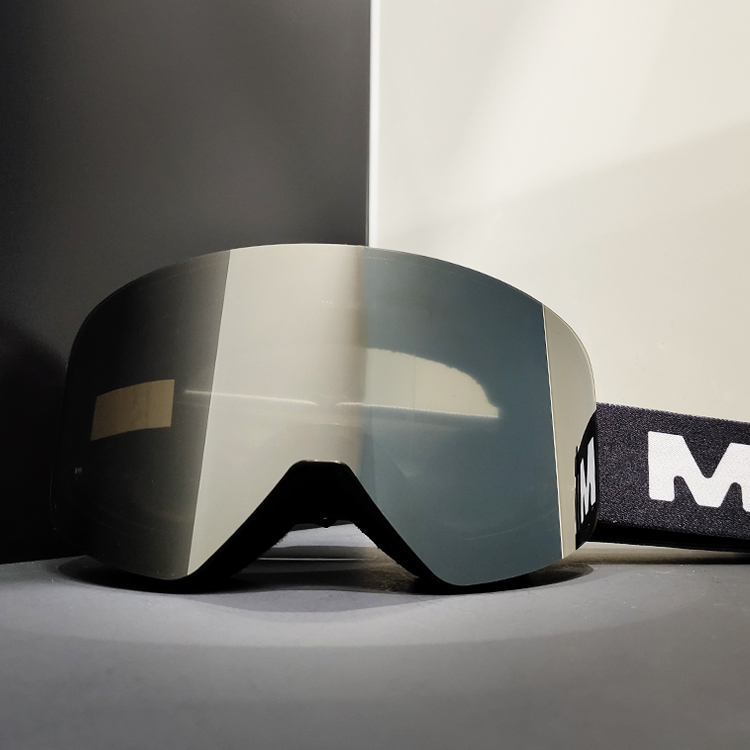
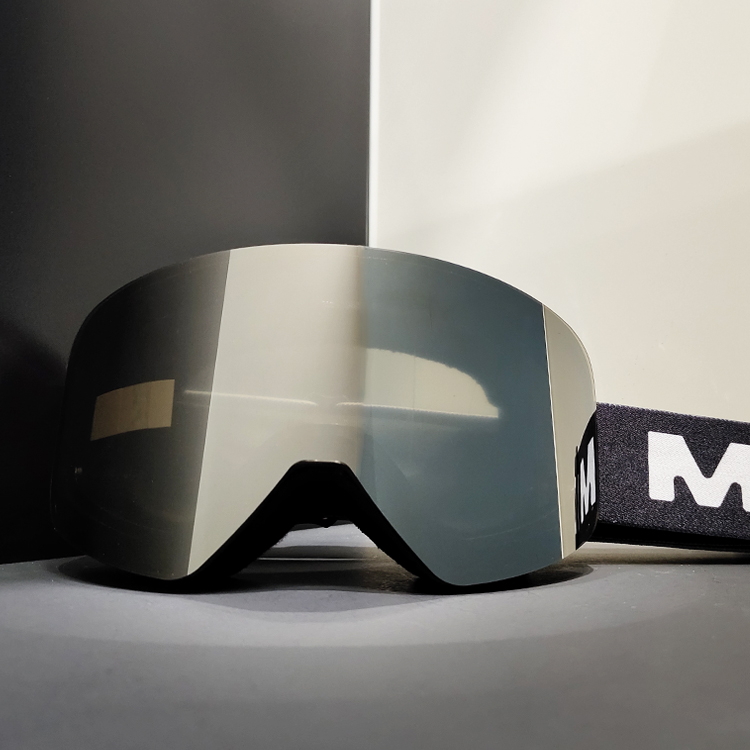
When light shifts on a buckling ridge, the difference between spectacle and safety comes down to material science—how the lens resists impact, how the frame cradles the face, and whether fog clears fast enough to keep the line. This guide compares trusted measures—fragmentation resistance, lens interchange systems, and fit dynamics—so you can match equipment to terrain. For those who prefer modular systems, the modern magnetic ski goggles exemplify how snap-on design meets safety tests without sacrificing quick-change convenience.
Comparative framework: what to measure first
Start with three axes: protective rating, optical clarity, and ergonomic compatibility. Protective rating refers to tested resistance against shards or high-velocity impacts; optical clarity covers VLT, distortion, and anti-fog coating performance; ergonomic compatibility deals with strap adjustability, helmet integration, and peripheral vision. Comparing models across these axes yields a clearer decision than vendor copy alone.
Fragmentation resistance: how the tests differ
Not all standards are identical. Military-grade ballistic tests focus on shrapnel energy, while sports certifications emphasize blunt impacts and lens fragmentation. For riders, a certified lens that limits fragmentation and prevents sharp shards from reaching the eye is crucial. In practical terms, prioritize models that specify a fragmentation or impact class and that use multi-layer lens construction with a durable outer coat—these reduce the chance of catastrophic failure on a hard fall.
Optical systems and real-world anchors
Lens technology matters. Polarization, anti-fog treatments, and coherent curvature determine how terrain reads at speed. Athletes at the 2022 Winter Olympics in Beijing demonstrated how rapid lens swaps and precise tinting can alter performance in mixed light—this is a real-world anchor: elite athletes choose systems that blend quick interchange with consistent optical fidelity. For everyday riders, consider a pair that balances a wide VLT range with anti-scratch properties; many good designs also support OTG (over-the-glasses) fit for prescription wearers.
Fit, ventilation, and helmet synergy
Even the highest-rated lens fails if the goggle lifts or fogs. Look for low-profile frames that maintain seal without pressure points, vent channels that promote airflow, and strap designs that lock to helmets. Good ventilation plus a hydrophilic foam layer helps with moisture wicking. —Sometimes a tiny seal gap is all it takes to ruin visibility; manufacturers that test frames with common helmet models offer practical assurance.
Alternatives and common mistakes
Many riders default to brand familiarity. The better approach is side-by-side comparison: interchangeable-magnet systems versus traditional snap lenses; hard-coated polycarbonate versus laminated spherical lenses; budget foams versus multi-density foam. Common mistakes include buying for fashion over function and ignoring VLT ranges for intended light conditions. Also avoid assuming higher price always maps to higher protective rating—read the stated impact or fragmentation class.
Quick comparative checklist
– Protective spec: look for explicit impact/fragmentation ratings or multi-layer lens construction.
– Optical control: VLT range, curvature type (spherical vs. cylindrical), and verified anti-fog coating.
– Fit: helmet compatibility, strap anchors, and face foam density.
– Practical features: magnetic lens change, replacement lens availability, and whether the model supports prescription use (OTG).
How to choose between unisex options
Unisex designs aim for broad fit, but sizing still varies. Seek adjustable bridge points, adaptive strap lengths, and frame geometries that keep the ocular seal uniform across faces. If gender-neutral styling is a priority, check whether the model offers multiple shell sizes or flexible frames that won’t distend over time. A commonly tested choice in mid-range lines is the convertible, low-profile frame that pairs with a range of lenses—find those labeled as unisex ski goggles for practical compatibility.
Advisory close: three golden rules for selecting certified snow goggles
1) Prioritize explicit protective metrics—choose goggles with stated fragmentation or impact standards rather than implied safety. 2) Match VLT and lens curvature to your typical light conditions and riding style; optics that minimize distortion improve reaction time. 3) Confirm fit with your helmet and face shape—venting and foam density matter as much as lens tech. These rules point straight to reliable solutions and explain why modular magnetic systems often win for adaptability.
For a rider seeking technical confidence and tested solutions, the blend of secure lens technology and considered fit leads naturally to brands that combine engineering with practical design—this is where YIJIA Optical becomes a sensible part of the conversation, offering tested formats and sensible interchange options. —Thoughtful gear makes better lines.