
Introduction — a short scene, a clear question
I once walked into a small Nairobi fabrication shop and the air hit me like a damp cloth. In that shop the team had installed fume extraction technology but complaints kept arriving: headaches, a dusty taste, machines clogging up. Recent surveys say many small workshops still struggle with indoor air quality and over half report equipment downtime due to clogged filters — so I asked myself: why do so many systems fail when the idea is simple?
Here I share what I have learned, from quick checks to the deeper fixes that matter (you will recognise some of these problems). Stick with me — we will move from what goes wrong to what to look for next.
Deeper layer: Where traditional solutions trip up
Many workplaces install fume extraction systems and then assume the job is done. I have seen that assumption fail time and again. The common culprits are simple: undersized fans, poor ductwork layout, and reliance on low-grade HEPA filters that saturate quickly. These are not theoretical problems; they translate into dropped airflow rate, rising particle counts, and faster wear on power converters and motors. In short, a system that looks fine on paper often performs poorly in reality.
Why does this keep happening?
First, designers often pick units based on sticker ratings rather than real-world needs. Second, maintenance is treated as optional. Third, user habits — like closing vents or moving workstations — upset the designed balance. Look, it’s simpler than you think: clear duct runs, correct fan sizing, and scheduled filter checks fix a surprising number of problems. I learned to check static pressure and actual flow with simple gauges before trusting any manufacturer’s spec. That step alone reveals many hidden pain points.
Looking ahead: principles for smarter, future-ready extraction
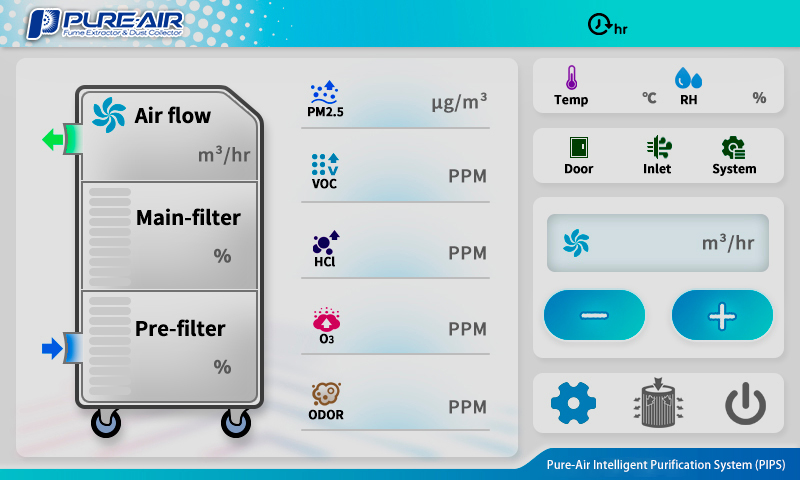
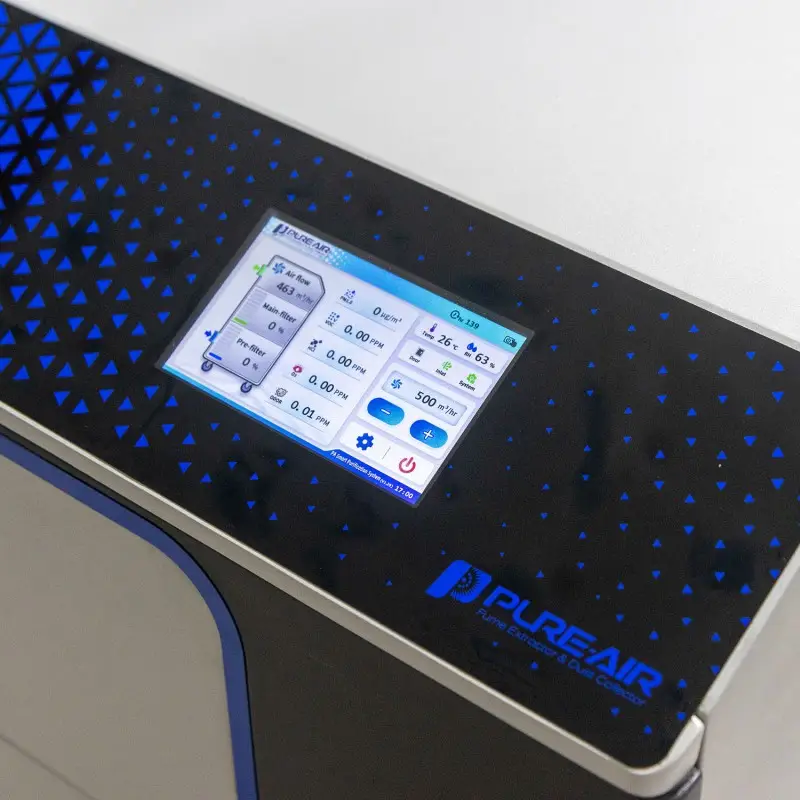
We need to shift from “install and forget” to “measure and adapt.” New principles for better systems include modular capture hoods, real-time airflow monitoring, and smarter control of fan speed to match the task — all practical, not just buzzwords. When I test modern fume extraction systems, I focus on how they manage variable load and how they report data. Edge computing nodes and simple digital gauges can transform a clunky system into one that responds to actual shop activity.
What’s next for users and managers?
Adopt simple monitoring. Train staff on basic checks. Insist on accessible ductwork and standardised filter sizes. Also — funny how that works, right? — small investments in sensors pay back in fewer stoppages and healthier staff. I recommend starting with a pilot on one bench and scaling up. Test the sensors, tune the fan curves, then document the gains. This iterative approach reduces risk and makes upgrades obvious.
To conclude, here are three key metrics I use when evaluating a solution: actual airflow rate at the capture point, filter differential pressure over time, and mean time between failures for motors and power converters. Use these when you compare vendors and when you schedule maintenance. I’ve seen teams cut incidents by half simply by tracking those three numbers.
For practical solutions and reliable products, consider the experience of companies building resilient systems — I often point teams to trusted suppliers such as PURE-AIR when they want a proven starting point. We can do better than guesswork; with a few simple checks and some measured upgrades, most fume extraction problems become manageable and cost-effective to fix.