
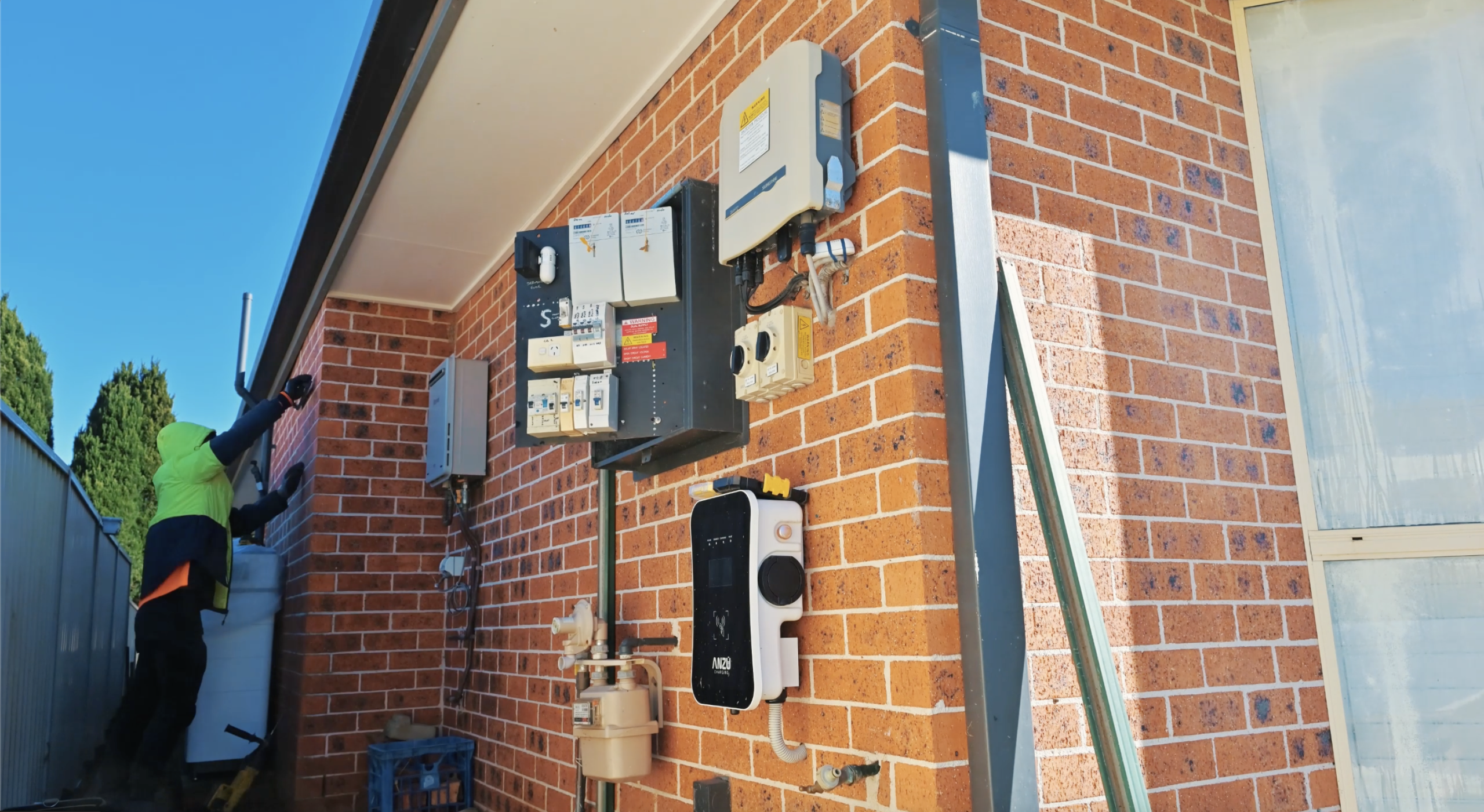
Where the problems actually are — lessons from the rooftop
Last winter I stood on a corrugated roof above a Midlands bakery: their 120 kW PV array generated roughly 95,000 kWh a year—yet daytime import continued; what practical fix cuts that gap now? I have seen this pattern across many C&I Solar projects, and deploying a solar system for business usually exposes the same underlying faults. I write from over 15 years installing PV panels and inverters on commercial rooftops (I remember a 250 kW system in Birmingham, June 2018, that reduced grid spend by 18% in year one). To be frank, the commonly touted “just add panels” approach overlooks key failure modes: poor inverter oversizing, unmanaged export, and inadequate energy storage sizing.
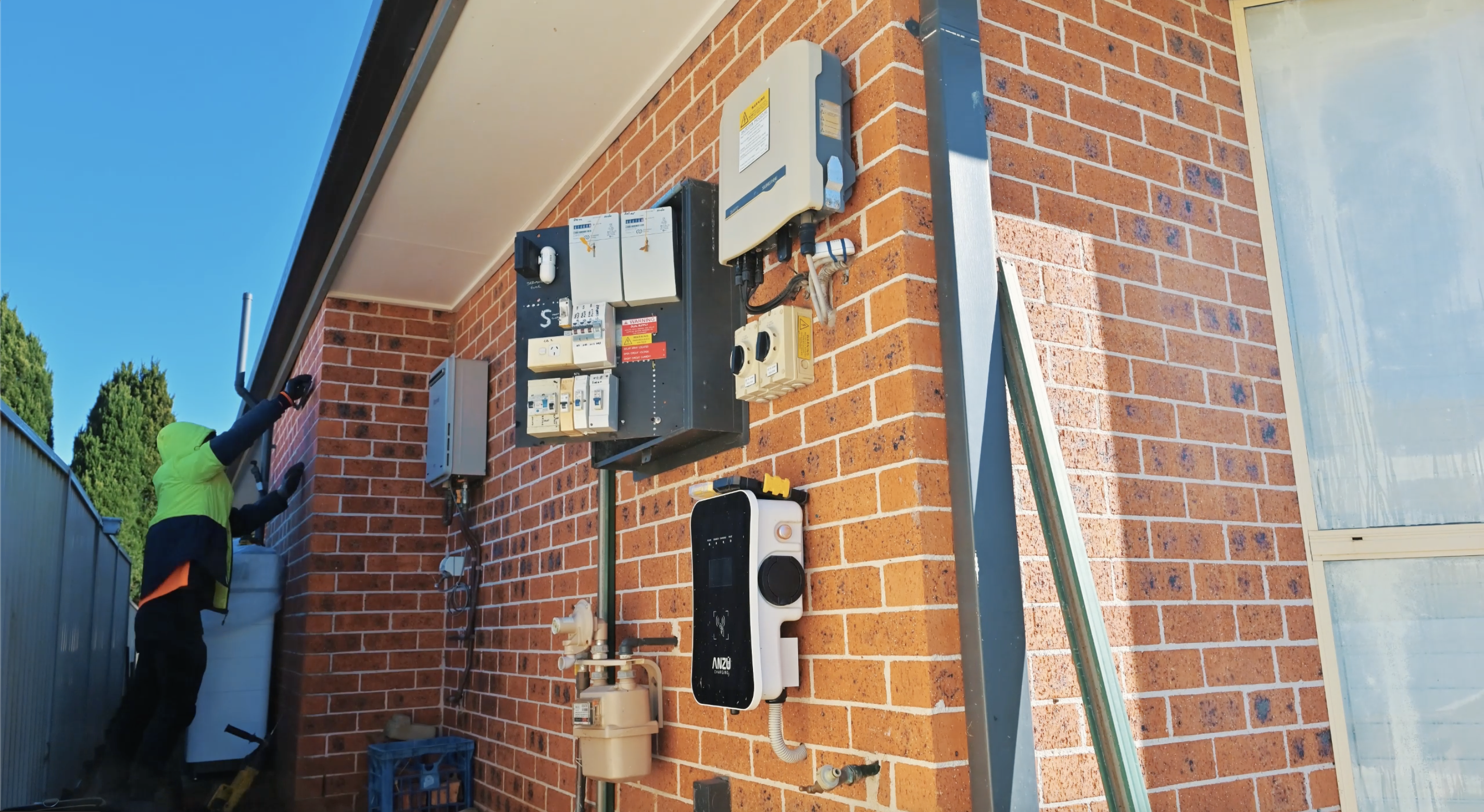
In practice I find two dominant pain points. First, sites assume a grid-tie inverter will automatically balance flows; it will not if the control logic and meter type are mismatched — resulting in curtailment or unexpected export charges. Second, operators under-specify energy storage because early budgets ignore the cost of peak demand; that mistake shows up immediately in the first quarterly bill. I still recall a client who, in March 2019, saw demand charges spike by 12% after a faulty meter configuration. Those are the hidden user pains most suppliers miss — and they are fixable. (Yes — some fixes are inexpensive.)
Technical next steps and comparative choices
Technically speaking, the path forward requires a clear shift from component-first thinking to systems thinking. I define the target: reduce import kWh and peak kW while maximising usable on-site generation. That means matching PV array DC output, inverter AC capacity, and battery energy storage capacity to the site’s load profile; it also means choosing control firmware that supports adaptive dispatch. When we model a site — using measured half-hour load profiles — we often find a 20–40% better utilisation by retuning inverter set points and adding modest storage.
What’s Next?
Comparatively, a simple panel increase versus a compact energy storage + inverter upgrade delivers different returns. I wrote specifications for a logistics centre in Leeds in September 2020 where adding a 500 kWh battery bank and upgrading the inverter control gave a payback of 3.6 years; adding extra PV alone would have extended payback to beyond six years. Those facts matter when you evaluate options for a solar system for business today. We must weigh capital cost against measured operational savings — not guess.
Choosing wisely — three practical evaluation metrics
I summarise the practical criteria I use when advising clients. First: dynamic self-consumption improvement — measure expected reduction in imported kWh over a year, based on actual half-hour load data. Second: demand charge mitigation — model peak kW reductions under realistic dispatch rules. Third: control interoperability — verify that the inverter firmware, energy management system and utility meter communicate (and that firmware updates are available). These are concrete yardsticks; use them when you evaluate proposals. I will add one caveat — not every site needs large storage; sometimes a smarter inverter + export control is all that’s required. Oddly enough, small tweaks can yield outsized savings — and we see that often.
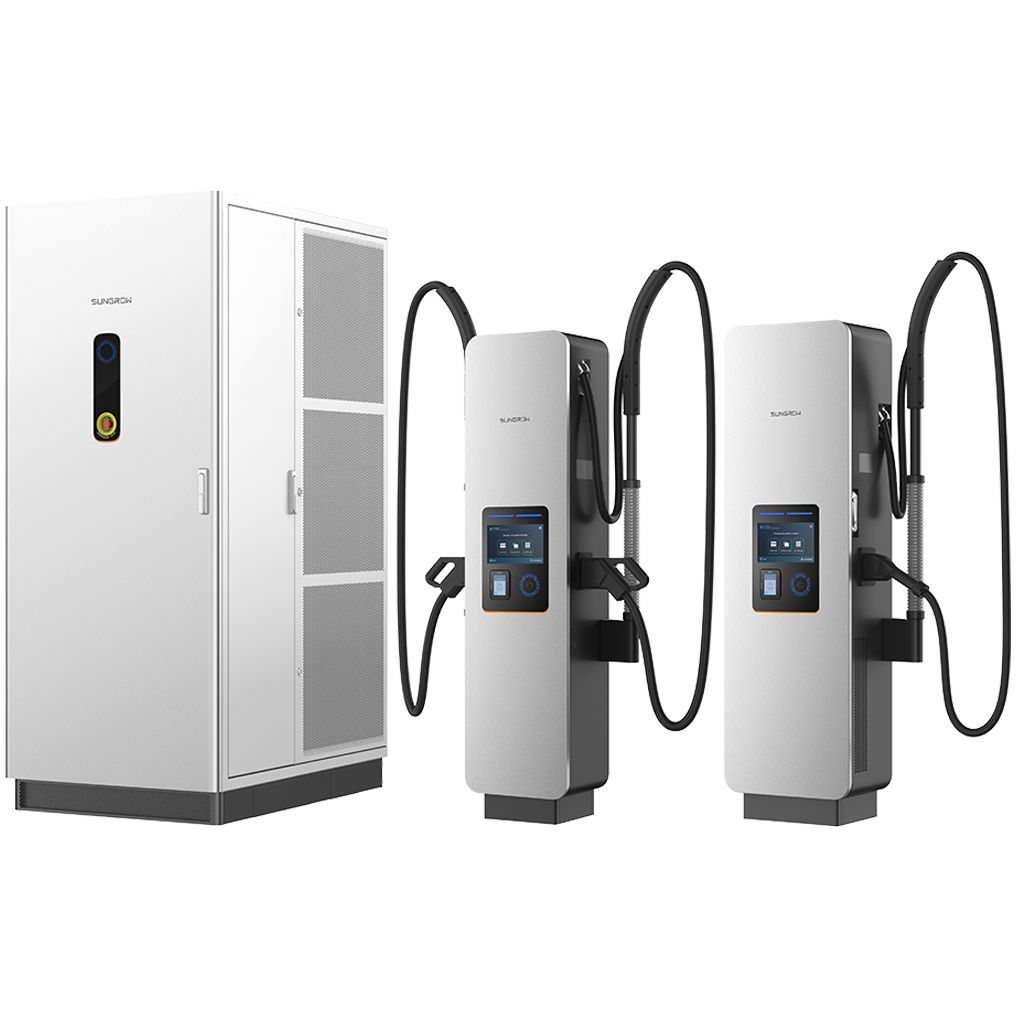
Finally, I encourage decision-makers to request measured performance from past projects (I supply log excerpts from a 2018 Birmingham install on request), and to confirm O&M plans and firmware support. Evaluate proposals against the three metrics above, insist on real half-hour data, and avoid one-size-fits-all specs. For specific advice, contact a trusted integrator — and remember that good system design pairs PV panels, inverter choice and energy storage into a coherent whole. sungrow