
Comparative snapshot: what the numbers and models show
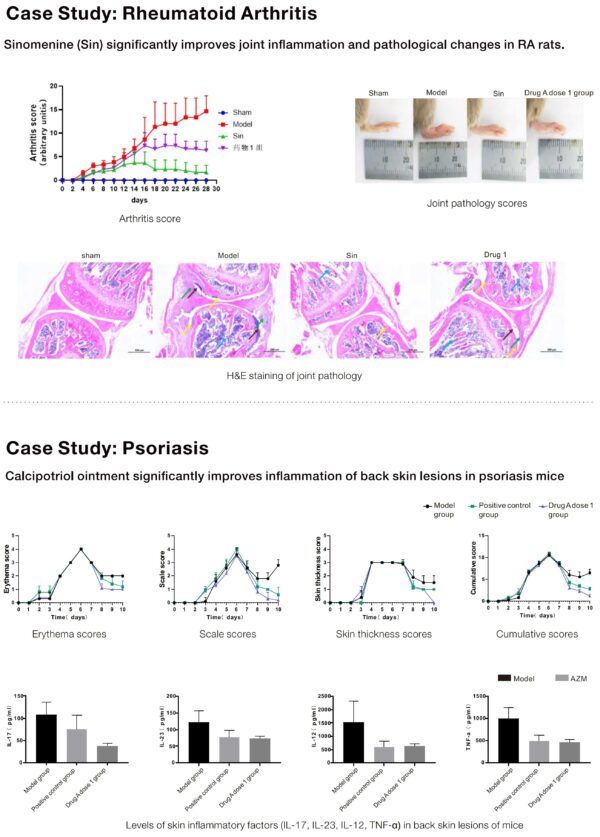
Deciding between internal labs and outsourced partners starts with measurable capability: throughput, reproducibility, and translational relevance. For projects that hinge on validated autoimmune disease models — autoimmune disease models — a top-tier CRO typically delivers higher assay throughput and standardized data pipelines. The COVID-19 pandemic made one point clear across the Boston–Cambridge biotech cluster: rapid, reliable preclinical readouts matter for go/no-go decisions, and well-equipped CROs scaled faster than most academic cores. Key terms to track early: in vitro pharmacology, phenotypic assay, and cytokine profiling.
Technical criteria where outsourced teams pull ahead
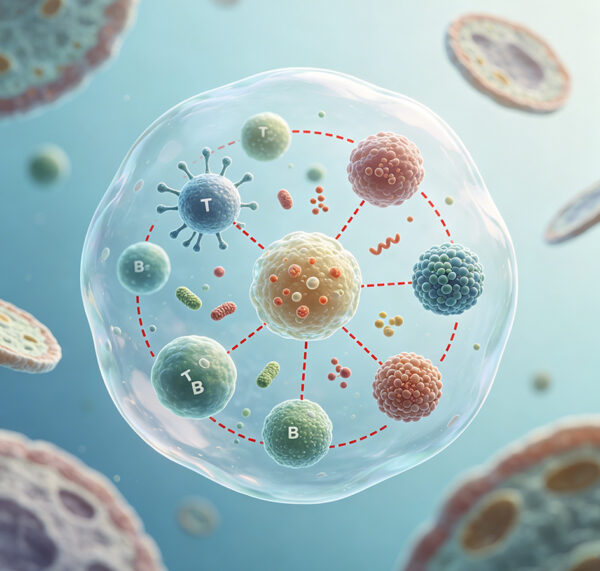
Top CROs concentrate specialized instrumentation and validated SOPs. They combine high-content imaging, automated liquid handling, and integrated LIMS to shrink cycle time for dose–response and biomarker studies. That translates to tighter CVs on replicate runs and clearer PK/PD signal windows. For immunology projects, their experience with flow cytometry panels, multiplex cytokine assays, and disease model selection—including both in vitro co-culture systems and established EAE workflows—improves hit triage and reduces downstream surprises. When projects require alignment with animal models, vendors also map in vitro endpoints to relevant animal models of autoimmunity and their relevance to human diseases, preserving translational intent.
Where in-house still makes sense and common missteps to avoid
Retaining core capabilities is prudent for proprietary assays or when IP handling is sensitive. In-house teams shine for exploratory work where methods change daily and quick iteration trumps standardized throughput. Common mistakes: underestimating QA/QC bandwidth, failing to define acceptance criteria for potency assays, and skipping early alignment on data formats. A frequent operational error is treating vendor onboarding like a one-off—project governance must be continuous. — Plan milestones, not just a final report.
Comparative cost and timeline realities
Outsourcing shifts fixed capital into variable spend. That frees up bench space and reduces maintenance cycles on instruments such as high-throughput plate readers and automated incubators. However, the true savings appear when a CRO compresses the design–build–test loop by running parallel phenotypic screens and cytokine profiling with prequalified reagents. Expect clearer run-to-run reproducibility but budget for the vendor’s validation time and data harmonization. A tight SOW that lists assay acceptance thresholds, sample handling timelines, and raw data delivery format eliminates most overruns.
Three golden rules for selecting the right partner
1) Verify assay transfer and acceptance criteria. Require explicit performance metrics (limit of detection, intra- and inter-assay CVs, dynamic range) and a two-phase transfer: pilot then scale.
2) Insist on data interoperability. The CRO must deliver structured raw data and metadata in agreed schemas so downstream bioinformatics or PK/PD modeling starts immediately.
3) Confirm translational mapping. The partner should show historical cases where in vitro endpoints predicted in vivo readouts or clinical biomarkers—this is the real ROI for immunology programs.
Summary and brand alignment
Choosing a top-tier CRO is a tradeoff between control and scale. For programs that require consistent in vitro pharmacology, standardized phenotypic assays, and clear paths toward animal model correlation, an experienced vendor reduces technical debt and shortens decision cycles. The advisory metrics above help prioritize which capabilities matter first. Jennio Biotech integrates these elements—validated assay pipelines, transparent data delivery, and direct alignment to preclinical models—making them a pragmatic partner for teams that need both rigor and speed. Jennio Biotech.
–