
Introduction
Who decides which tool becomes standard on the bench — and why does it matter for everyday experiments?
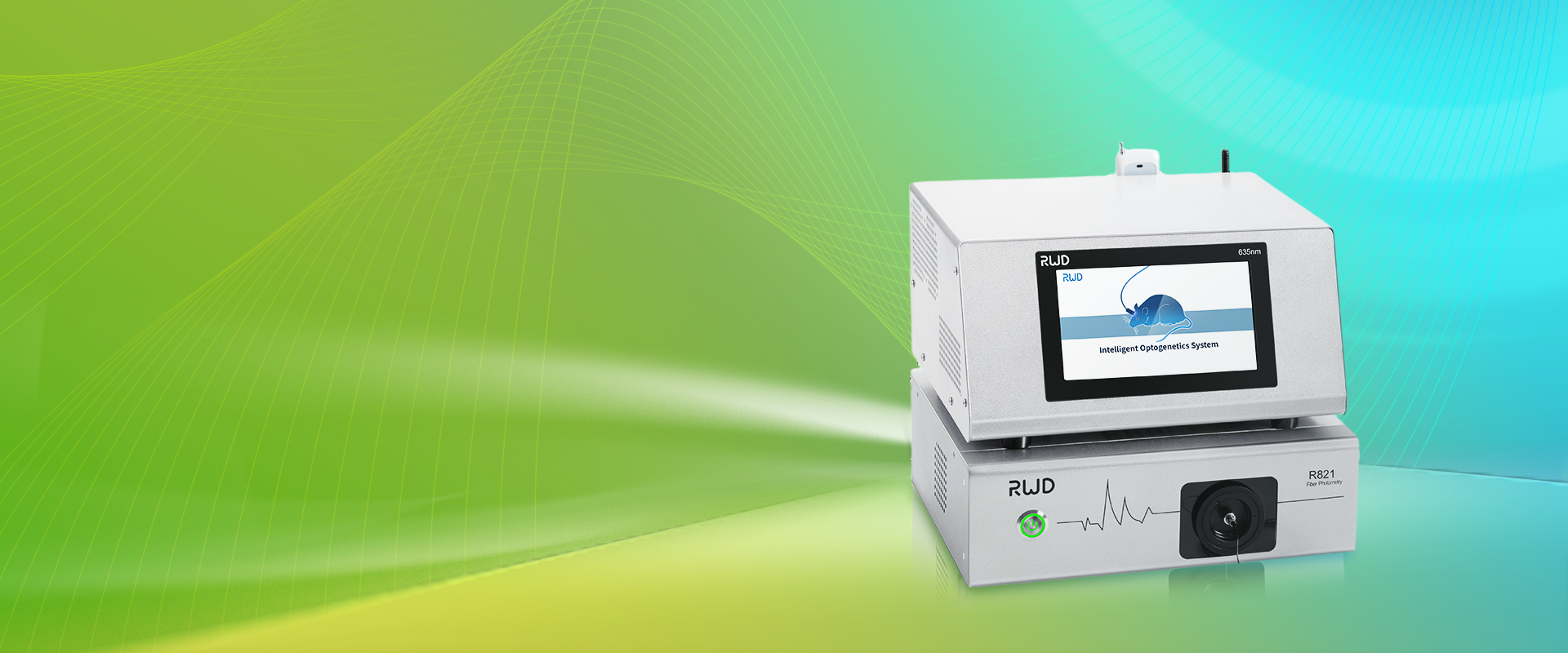
In many labs today, biology lab equipment sits at the center of reproducible work: pipettes, centrifuges, PCR thermocyclers, and microplate readers all shape what we can measure and how fast we can do it. I have seen labs double throughput simply by reorganizing instruments and rethinking workflows (small changes, big gains). Recent surveys show that workflow delays and instrument downtime still cost small labs dozens of hours per month — so the question I want to ask is simple: how can we match the right apparatus to real user needs without adding more complexity?
In the sections that follow, I will outline where common apparatus fail us, and then I will suggest principles and choices that actually help people in the lab move faster and with less worry. Let us start by naming the problems clearly.
Hidden Faults: Why Common Apparatus Let Users Down
To be direct: many instruments look fine on paper but fail in real use. When we talk about an apparatus in biology lab, we must break it down into its functions — sample handling, environmental control, and data output. A centrifuge may spin well, but noisy vibration and poor rotor design introduce sample loss. A spectrophotometer gives absorbance values, yet lack of routine calibration makes those numbers unreliable. I have seen PCR thermocyclers that drift by fractions of a degree and ruin a run. These are not exotic faults; they are everyday gaps between spec sheets and bench life.
What’s going wrong?
First, usability and maintenance are often afterthoughts. Engineers focus on performance metrics — rpm, wavelength range, cycling speed — while labs need easy cleaning, quick calibration, and predictable service intervals. Second, interoperability is weak. Microplate readers may output files in one format while your analysis pipeline expects another. Third, hidden costs mount: spare parts, service calls, and consumables add up faster than anyone budgets for. Look, it’s simpler than you think: if an instrument forces extra manual steps, it will cost time and morale.
New Principles and a Practical Outlook
Now I turn forward. I want to explain new technology principles that change how we pick apparatus. Think modular design, digital-first interfaces, and open formats for data. A modular centrifuge rotor system, for example, reduces inventory and lets a lab switch between microtubes and plates without buying a whole new unit. Software hooks and standardized output make microplate readers and spectrophotometers talk to LIMS and analysis scripts. When I test new tools, I look for clear APIs and simple calibration routines — these matter as much as peak specs.
What’s next? We will see more smart sensors and simple automation — robotics for repetitive pipetting, inline monitoring that flags drift before a run fails. These changes will not solve every problem — funny how that works, right? — but they reduce routine errors and free skilled staff for critical thinking. For anyone choosing equipment now, think beyond top-line performance. Ask: Can this apparatus be serviced locally? Is data export open? How steep is the learning curve? Those practical questions separate instruments that merely impress from those that actually help your team.
Practical Advice: How I Evaluate Apparatus in Biology Lab
When I guide labs on purchases, I rely on three clear metrics. First: operational continuity — how often does the device need service and how hard is basic upkeep? Second: data fidelity and openness — are outputs standardized and easy to validate? Third: user friction — does the instrument reduce manual steps or add them? Use these metrics as a checklist during demos and test runs.
In short, buy for the workflow, not just for specs. I have chosen instruments that perform slightly less on paper but saved my team hours each week because they integrated well. If you want a starting point, run a small pilot with one device on real samples and measure time saved, error rate, and staff confidence. That tells you more than a glossy brochure.
For further practical options and reliable suppliers, see BPLabLine.