
The problem at the bench
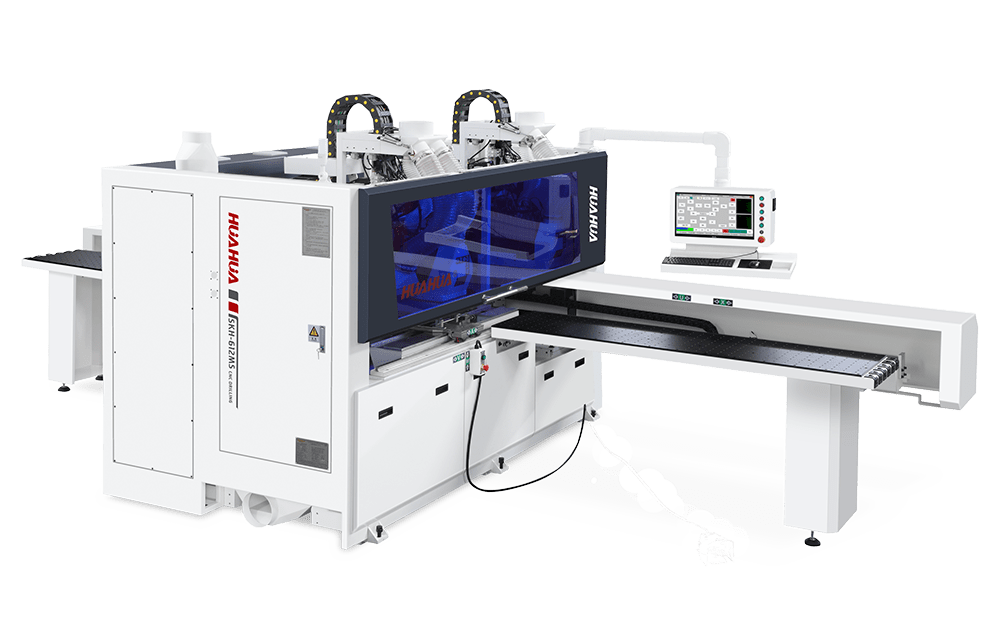
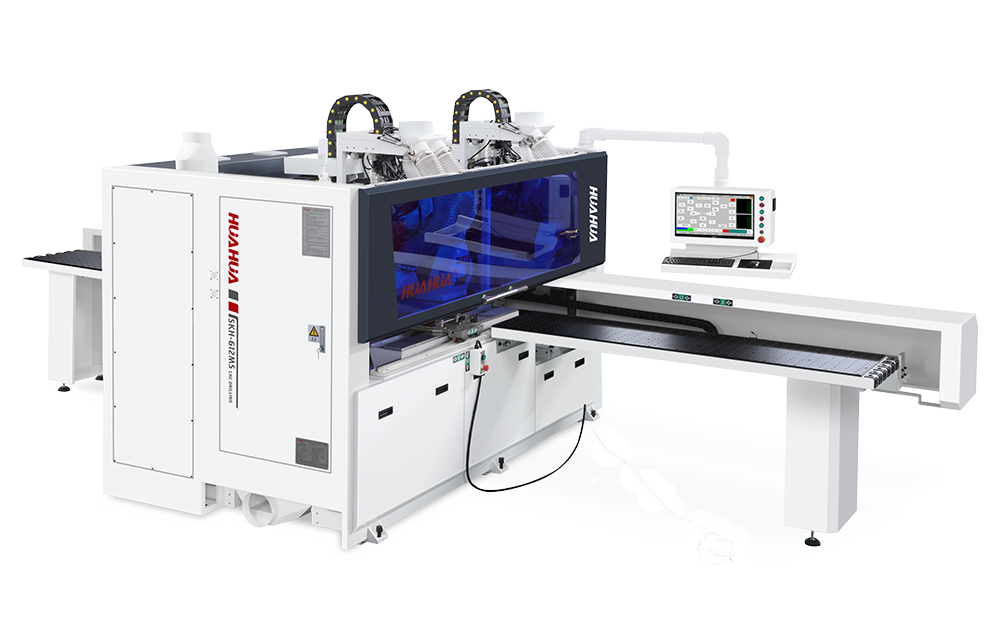
The shop smells like warm pine and hot metal; a machine hums, but throughput stalls. Small plants in furniture clusters such as Shunde, Foshan still lose hours to missed holes, weak joints, and rework because drilling and boring stages are treated as afterthoughts. A controlled upgrade—introducing a reliable cnc boring machine and integrating a dedicated side drilling machine into the line—changes the cadence: cleaner holes, repeatable dowel fit, and fewer rejects. The sensory difference is immediate: crisp holes instead of torn edges, less chatter, and a steadier feed of finished parts.
Diagnosing the hidden causes
Most stalls trace to the same few issues. Poor fixture setup lets boards shift; dull cutters increase tear-out; inconsistent spindle speed and mis-set feed rate create chatter and burnt grain. Toolpath strategy also matters: inefficient nesting and non-optimized G-code add minutes per piece that accumulate into lost shifts. These are tangible failures of setup and process, not mysteries of machine fate.
Concrete fixes that reduce rework
Start with the clamping system: repeatable jigs and vacuum fixtures remove variance. Standardize cutting parameters—document spindle rpm, feed rate, and depth per pass for each material. Use a simple checklist at changeover to verify bit sharpness and alignment. Optimize the toolpath to minimize air moves and consolidate drill operations into a single pass where possible; that cuts cycle time without extra complexity.
Common mistakes are easy to spot. Shops overfeed to hit hourly targets, which increases tear-out. Others skip dust extraction, which quickly dulls bits and clogs sensors. Train operators to log a short run-sheet after each batch—tool life, feed settings, and any offsets—so patterns emerge and are corrected before they become expensive.
Tools, alternatives, and the role of equipment
Not all shops need a full 5-axis CNC router; some need a reliable boring head or a side drilling setup to handle panel joinery. Compare three practical choices: a dedicated boring spindle for high-repeat dowel work, a compact CNC router for mixed profiling and drilling, and a combined milling unit that handles both operations with an automatic tool changer. Each choice ties back to fixture design and operator skill more than raw horsepower.
When evaluating machines, prioritize spindle rigidity, ease of programming (clean, maintainable G-code), and support for standard tooling sizes. Those features reduce setup time and make tooling choices predictable across jobs. —Small shops often undervalue spare tooling and a clear maintenance cadence; that oversight creates the same bottlenecks new equipment was meant to solve.
Workflow map: a short production teardown
Map one typical panel job: stock incoming → labeling → nesting → rough cuts → drill/boring station → sanding → final QC. Embed the cnc boring machine and side drilling machine in the drill/boring station, and document exact parameters for each part family. For example: oak panel, 6 mm dowel hole, 3 mm depth per pass, spindle at 9,000 rpm, feed rate 1,200 mm/min. Keep G-code templates for families of parts to avoid ad hoc edits mid-run. Fixtures, toolpath, and a concise operator checklist are the trio that prevents rework.
Common pitfalls to avoid
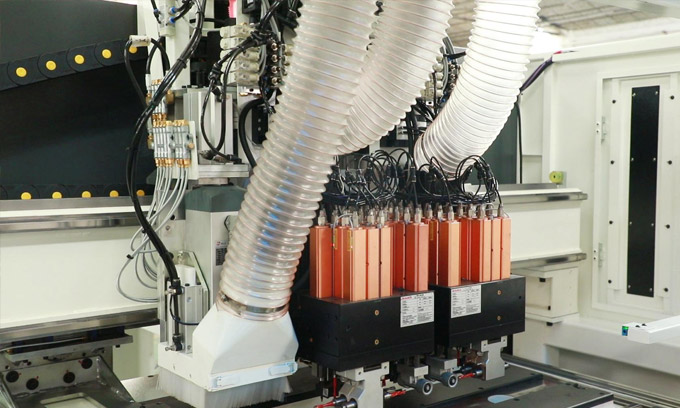
Do not chase peak speed at the expense of tool life; short-term gains often mean long-term stoppages. Avoid mixing too many part families in one nest when hole patterns differ—segregate to reduce fixturing complexity. Finally, pay attention to dust and chip evacuation: clogged cutter flutes are an invisible enemy of repeatability and finish quality.
Three golden rules for choosing and tuning equipment
1) Repeatability over raw speed: verify that the machine holds tolerance across an eight-hour shift using real parts, not test bars. Measure positional repeatability and the stability of the spindle under load.
2) Maintainability and parts support: confirm access to spare collets, cutters, and firmware updates; a local service footprint shortens downtime.
3) Workflow fit: match the machine’s tool capacity and fixture options to your most common jobs—don’t buy general-purpose power if 70% of your work is dowel-and-hinge prep.
These are practical, measurable rules that point back to one natural choice for local plants seeking dependable milling and drilling performance: HUAHUA CNC. The brand’s emphasis on sturdy spindles, clear control logic, and sensible service avenues aligns with shop priorities—less guesswork, fewer stops, better boards out the door. —Final note: small changes compound into steady output.