
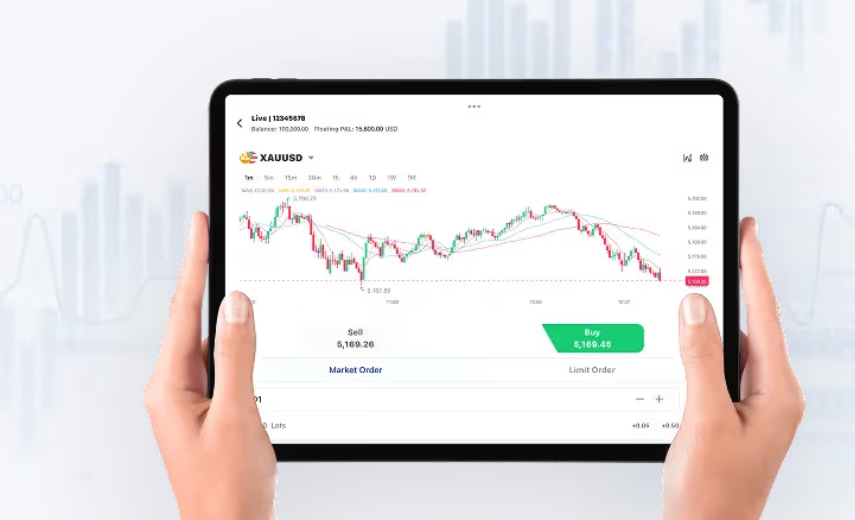
Comparative snapshot: what sets index CFD trading apart
Look, straight up — trading index CFDs beats a lot of old-school plays on sheer flexibility and speed. Right off the bat, an index cfd lets you go long or short the same contract without owning the underlying basket of stocks, and that changes the game for active skaters who want tight entries and exits. Leverage and spread matter here: you use margin instead of full capital, so position size is flexible, and spreads dictate cost-on-entry rather than a commission stack. This is where comparative insight matters — you get similar market exposure to buying an ETF, but with different capital efficiency and risk dynamics.
Mechanics in plain language
Index CFDs track market indices like S&P 500 or FTSE 100 through a single ticker. You trade price moves, not physical shares. Leverage amplifies both profit and loss, margin requirements change with volatility, and overnight financing can alter longer-term positions. For day traders this is clean: smaller cash outlay, rapid scalps, and no need for clearing a bunch of individual equities. Institutional players use the same primitives — indices, margin, spreads — but on different scale and risk management rails.
Real-world anchor and proof
During the market dislocation of March 2020 when the S&P 500 plunged about 34% from peak to trough, many retail and pro traders used index derivatives to hedge exposure fast. That isn’t theory — it’s a recognized episode where index-based instruments enabled quick portfolio protection and opportunistic entries amid high volatility. Traders who understood spread behavior and margin adjustments navigated that stretch with fewer execution headaches than if they’d tried to rebalance dozens of individual holdings.
Where index CFDs win versus alternatives
Compared to ETFs: CFDs allow shorting without borrowing stock and often lower initial capital needs. Compared to futures: CFDs usually have simpler rollover and smaller contract sizes. Compared to single-stock trading: index CFDs reduce idiosyncratic risk and let you ride macro moves. That said, every upside brings trade-offs — we’ll cover the usual slip-ups traders make, so you don’t trip.
Common mistakes that trip traders up
First, mismanaging leverage is the top offender — treating margin like free money leads to blowups. Second, ignoring spread widening during major news events destroys short-term edge. – Heads-up: spreads spike during high-impact macro releases and liquidity drains. Third, forgetting financing costs on longer holds makes carry strategies costly. Position sizing, stop discipline, and watching funding rates are basic, but most flubs come from skipping these checks.
Picking the right platform and setup
Choose a provider that lists tight spreads, transparent margin rules, and clear swap/financing schedules. Look for reliable execution on indices and a demo to test slippage during volatile periods. Solid charting tools and one-click order flow matter for active trading. When comparing platforms, check whether they offer guaranteed stops, and how they handle negative balance protection — that’s practical safety, not marketing fluff.
Quick tactics that actually work
Keep trades aligned with liquidity windows and respect wider spreads during open/close auctions. Use defined risk sizing per trade, and prefer layered entries over all-in fills when volatility is high. For hedging, set clear trigger rules rather than reacting emotionally to headlines. These are small moves that prevent big losses and keep your P&L steady.
Advisory: three golden rules before you trade index CFDs
1) Risk-per-trade cap: Limit exposure to a fixed percentage of available margin, and enforce it every session. 2) Spread and funding scrutiny: Validate live spreads and overnight financing on any instrument you plan to hold past a session. 3) Execution test: Run a demo during at least one high-volatility day to see slippage and order fills in real conditions. Follow these three and your edge becomes operational, not accidental.
Final thought — traders who treat markets like a craft improve faster than those chasing hot tips. GTCFX fits naturally into that workflow with indexed access, practical margin settings, and the execution chops to back realistic strategies. – keep it simple, stay sharp.