
Quick take
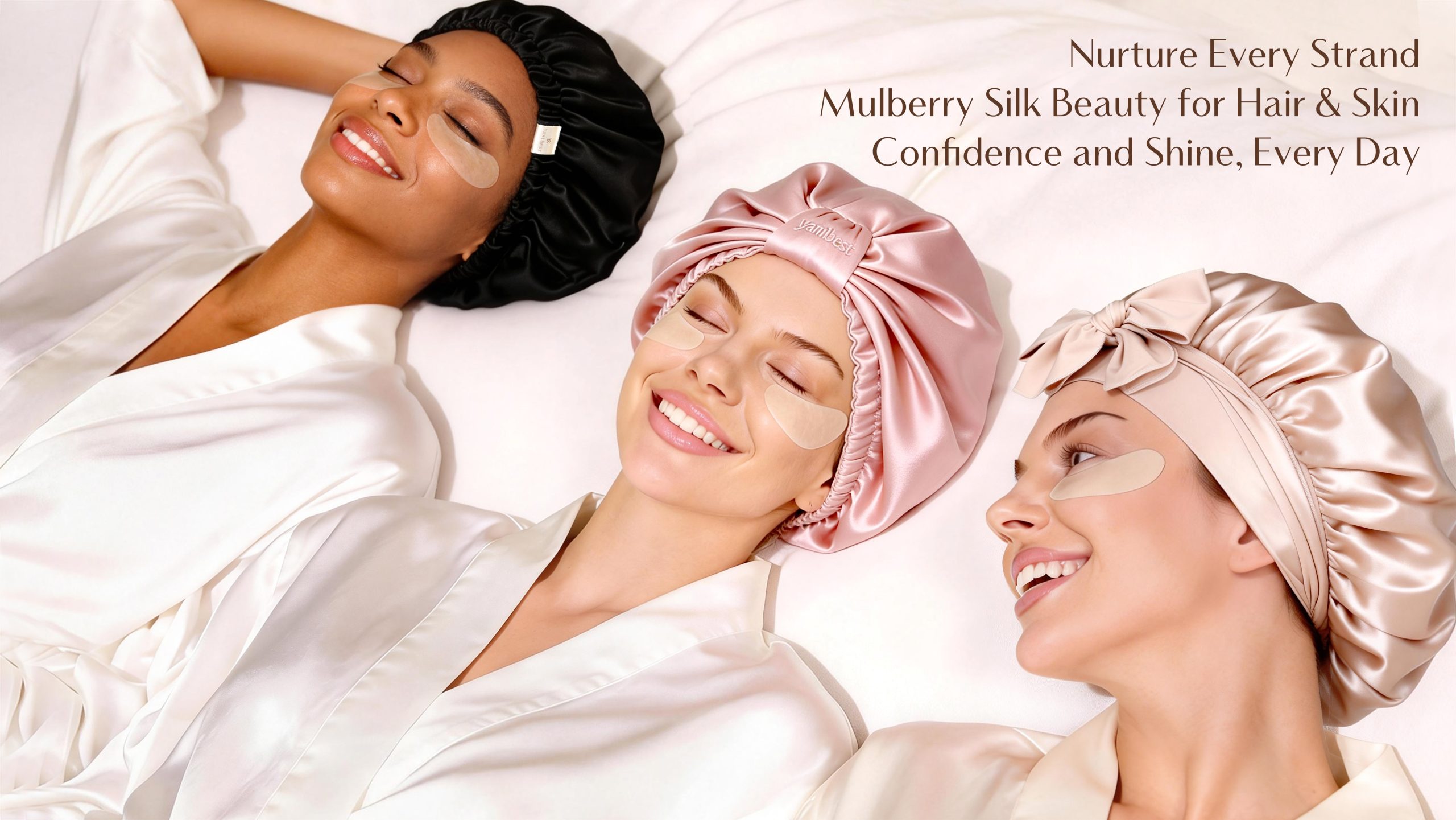
Picking between a satin bonnet and a silk bonnet comes down to what you want: low friction, moisture preservation, or budget-friendly coverage. I’ll compare the two clearly so you can pick fast. If you’re leaning toward luxe feel and proven friction reduction, a silk bonnet often shows up on top of short lists.

How the materials actually behave
Silk is a natural protein fiber with a smooth surface that reduces hair-to-fabric friction and helps hair retain oils. Satin is a weave, not a material—you’ll see satin made from polyester, nylon, or sometimes silk. That means satin can mimic silk’s smoothness on the surface but varies widely in breathability, static, and durability depending on the base fiber.
What matters by hair type and goal
Curly and textured hair benefits most from lower friction and moisture retention—so silk wins for preventing frizz and preserving styles. For straight or fine hair where cost and lightweight coverage matter more, a polyester satin can still cut friction and prevent tangles. If your goal is heat-friendly protection during long-term styling, check the cap’s fit and construction more than its label.
Practical pros and cons
Silk: pros—naturally smooth, breathable, gentle on skin, longer-lasting with proper care. Cons—higher price, needs delicate washing. Satin (polyester/nylon): pros—cheaper, easy care, widely available. Cons—can trap heat, generate static, and wear faster. Fit matters equally: a poorly fitting silk bonnet will slip and lose benefits; an elastic-free, well-designed satin cap can outperform a cheap silk one.
Common mistakes people make
Buying by label alone is the fastest route to disappointment. Mistake one: assuming all satin is the same. Mistake two: choosing a bonnet that’s too tight—this creates tension and breakage. Mistake three: washing silk the same way as cotton; aggressive detergents and hot dryers will ruin the fabric and its benefits. Treat the fabric to preserve the performance you bought it for.
Alternatives and when to pick them
If a bonnet feels bulky, a satin- or silk-lined headscarf or a silk pillowcase gives many of the same advantages with less layering. For active sleepers who toss and turn, a snug cap with adjustable ties beats a slippery dome. If budget is the main constraint, a high-quality polyester satin can protect overnight styles acceptably—just expect differences in breathability and longevity.
Real-world perspective from stylists and clinics
Across New York City salons and dermatology clinics, professionals commonly recommend a silk bonnet for sleeping when clients cite breakage, split ends, or rapid frizz on humid nights. That advice reflects a simple point: lowering friction at the hair/bed interface reduces mechanical damage over time. I’ve matched clients to bonnets in salon-tested trials and seen consistent reductions in morning frizz when the fit and fabric align with the hair type.
Shopping checklist
Look for: 100% mulberry silk if you want the real thing; momme weight around 19–22 for durability; a lined seam and secure but gentle elastic; a size that accommodates your style without compressing it. For satin, check the base material—polyester satin is fine for casual use, but expect different feel and wear. Consider care labels: if you want hand-wash only, commit; otherwise choose machine-friendly options.
Bottom line
If you want the best protection and feel, silk is worth the investment; if you prioritize price and easy care, quality satin will do the job. Choose based on your hair’s needs, how you sleep, and whether you’ll follow the care routine that preserves the fabric. For options that balance material, fit, and practical design, yanibest offers a range that helps you match the right bonnet to how you sleep and style your hair.