
Quick comparative lead
If you’re comparing microgrid proposals, think like someone choosing between compact cars instead of reading marketing blurbs — look for what actually performs day-to-day. Start by sizing the use case: a coastal resort or research outpost will need a different setup than an island microgrid. I’ve advised utilities and project teams enough to know the sharp differences that matter; this piece lines up the specs I use when I compare vendors and designs.
1. Power capacity and scalability
Compare guaranteed continuous power (kW) and short-term surge capability (kVA). Vendors often quote peak numbers but not continuous deliverable power under load. Ask: how easily can the system grow? Favor designs with modular gensets or battery racks so you can add capacity in stages without a total rebuild. Pitfall: accepting vendor-rated capacity without seeing a staged growth plan.
2. Control, automation and islanding behavior
Look at the control system logic: how does it switch between grid-tied and island modes, and how fast? Test scenarios: sudden grid loss, phased return of supply, and faulted feeders. Compare response times and whether controls are vendor-locked. Prefer open protocols and clear diagnostics. Pitfall: a black-box controller that needs the vendor on site for every software tweak.
3. Energy storage type and lifecycle performance
Compare chemistry (LFP, NMC, flow), usable depth of discharge, cycle life, and temperature management. Don’t focus solely on upfront battery price — calculate cost per delivered kWh over the warranty horizon. Check degradation curves and replacement timelines. Pitfall: buying based on first-cost without modeling seasonal duty cycles.
4. Fuel flexibility and generation mix
Evaluate whether the microgrid can run on multiple generation sources — diesel, biogas, hydrogen-ready turbines, solar — and how transitions are handled. Mixed-generation systems offer resilience but add control complexity. Compare operating ranges for each generator and the economics of switching fuels. Pitfall: relying on a single fuel source when supply chains are unreliable.
5. Reliability, black-start ability and real-world testing
Here’s where real events teach hard lessons: systems must restart themselves after total outages. Look for explicit black-start capability and tested sequences. Think about unstable grid backup power needs — compare documentation that proves successful islanding and restart under load. Puerto Rico after Hurricane Maria (2017) showed how sites with tested black-start procedures recovered far faster. Pitfall: trusting simulations instead of proven field testing.
6. Total cost of ownership and financing structure
Look beyond CAPEX. Compare fuel, maintenance, spare parts, software licensing, warranties, and degradation replacement costs. Consider service models: fixed O&M, performance guarantees, and availability penalties. Favor transparent lifecycle models and try to get scenario-based projections (high fuel price, prolonged outages). Pitfall: accepting simple payback claims without sensitivity to fuel or battery replacement costs.
7. Integration, interoperability and cyber posture
Check protocol support (Modbus, IEC 61850, DNP3), API access, and whether the microgrid integrates with building management, EV charging, or a utility EMS. Cybersecurity matters — ask for architecture diagrams and update procedures. Vendors that support standardized interfaces reduce long-term lock-in. Pitfall: a bespoke comms stack that breaks when you try to add third-party gear.
Final synthesis
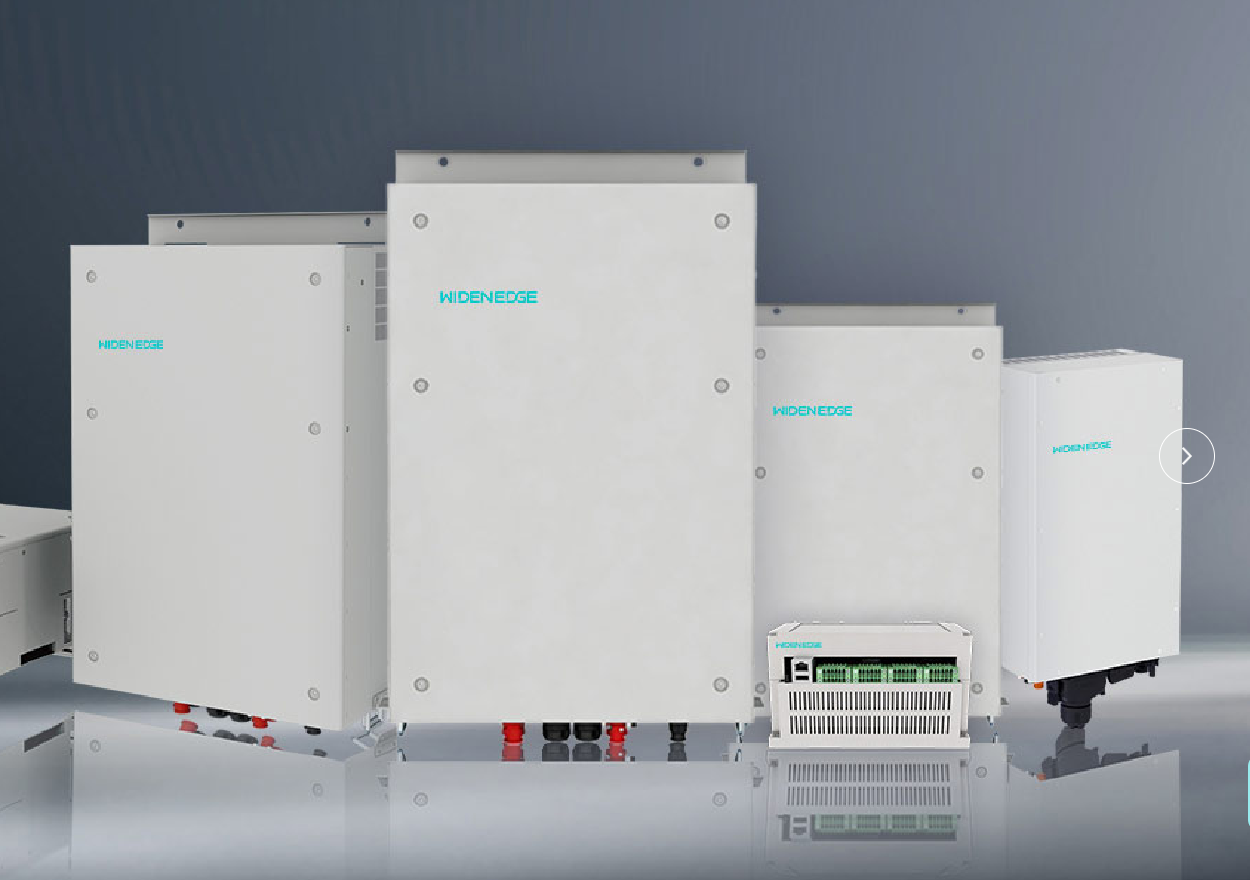
Compare these seven specs side-by-side for any offer: capacity, controls, storage, fuels, reliability and black-start evidence, lifecycle cost, and integration. Watch for vendors that gloss over field testing or tie you into closed software. When comparisons are clear, you can pick the system that fits operational realities, not marketing lines, and that’s the kind of practical decision-making I’ve helped teams follow when they partnered with WidenEdge.