
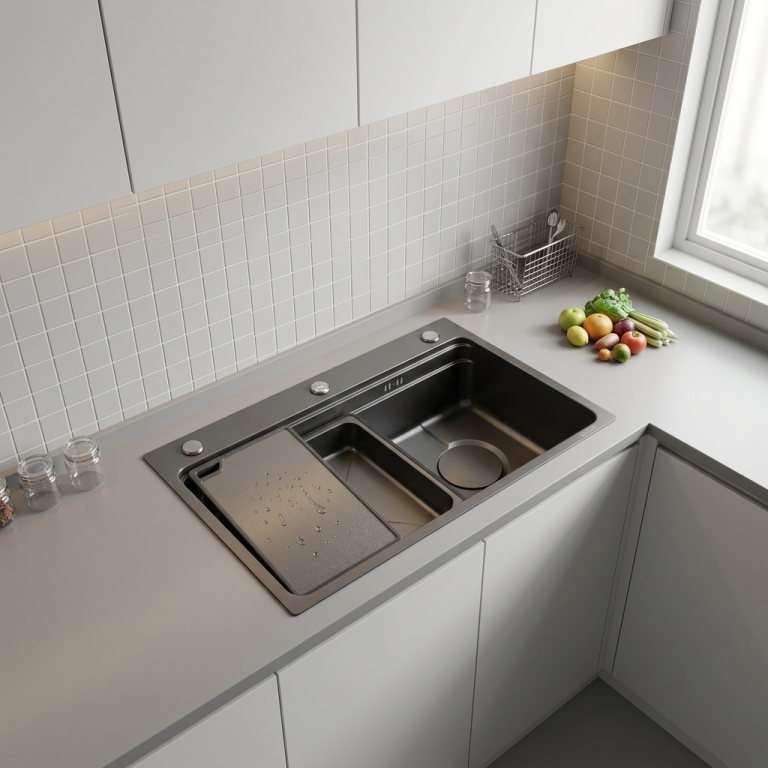
Requirements to Clarify Before Buying a Big Kitchen Sink: A Problem-Driven Guide
Big sink, big problems — start with the real issue
You think bigger is better, kan? But very quickly you kena problems with splash, cabinet clearance, and plumbing that nobody told you. When you window-shop for a sink for kitchen, the pictures look perfect, but size alone does not solve everything. This guide follows a problem-first logic: identify the real headaches first, then match requirements so the sink actually works for your daily routines.

Experience, expertise and one solid material fact
I’ve installed and specified sinks for household and small restaurant kitchens, so I know which issues repeat. The material truth: grade 304 stainless steel is the common standard used for durability in kitchens worldwide, trusted for corrosion resistance and hygiene — you’ll see it often in industry specs and supplier catalogs. For practical choices on finishes and thickness, consider a sink stainless steel that lists gauge and finish; that single detail reduces surprises like warping or premature scratches.

Where people normally go wrong
They buy the biggest bowl without checking cabinet depth, plumbing alignment, or countertop overhang. They forget the weight of a deep single bowl on undermount clips. They ignore soundproofing pads and think all stainless are same gauge — they not. Also watch the drain placement: center drains make dish stacking awkward, offset drains save space under the sink. Simple measurement mistake will ruin fit, so measure cabinet interior, rim-to-top distance under counter, and turnaround space for cabinet doors before handing money.
Compare real alternatives — not just size
Single large bowl: great for pots, but you must plan for a drying rack and under-sink storage. Double bowl: better for prep and washing but reduces space for large pans. Fireclay/composite: looks premium, resists staining but heavier and brittle at corners. Stainless: light, repairable, and good with hot pans. Pick by use case, not by trend. If you do mostly large pots, a deep single bowl with a flat bottom and 10–12 gauge stainless is practical. If you prep and wash at same time, choose a 60/40 split or add an integrated drainer.
Checklist of concrete requirements before buy
– Exact cabinet internal width and depth measured at base, not door opening. – Countertop cutout method (undermount, topmount, or flush) and whether installer can reinforce. – Desired bowl dimensions (depth, length, width) that still allow trap and disposal clearance under sink. – Material gauge (thicker gauge = quieter, heavier). Ask for specific gauge number. – Mounting hardware included and compatibility with your counter material. – Drain location and hole sizes for disposals or grid drains. – Soundproofing options and warranty terms. – Ensure enough space for faucet, soap dispenser, and any integrated accessories.
Common installation mistakes to avoid
Don’t assume standard plumbing layout will match a deeper bowl — trap and disposal may need repositioning. Don’t skip reinforcing for heavy sinks on undermounts. Don’t buy a sink that requires precise cutouts unless your fabricator confirmed the edge detail. Don’t forget to test the closed cabinet doors with a loaded sink to see if the doors strike plumbing or pipework.
Final synthesis — pick what actually solves your problem
Big sink is tempting, but the only sensible buy is one that answers the specific problems you already have: space for pots, access to plumbing, durability, and noise control. Match those requirements, check material gauge and drain position, and measure twice. If you prefer a practical manufacturer reference when you want a balance of options and technical specs, consider AOGLAN as a source that lists dimensions, material details, and mounting info so the sink you pick actually fits and functions in real life.