
Preparing a concise sink brief for tight kitchens: a user-first guide
Centering the brief on what matters to you
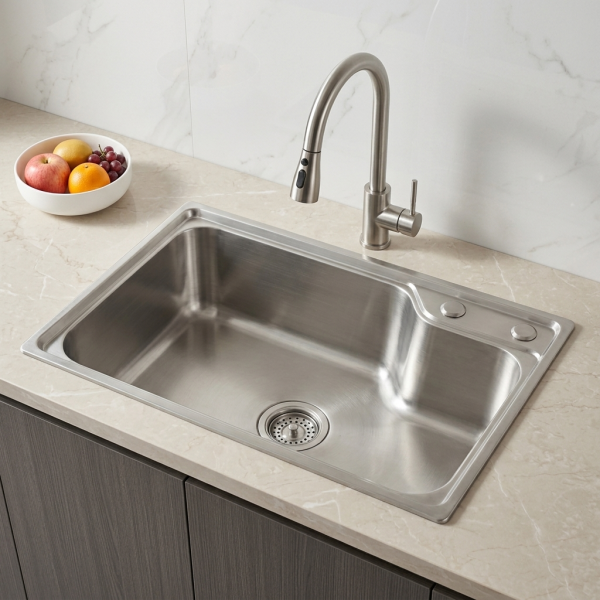
Start with the user: how the sink will be used every single day. Describe the routine—quick meal prep, cramped counters, and the need for fast cleanup—and state the physical limit: counter depth, cabinet width, and whether a left- or right-mounted bowl fits the workflow. If you prefer a low-maintenance, hardy finish, mention a model such as a small stainless steel sink as an example to anchor expectations for longevity and ease of cleaning.

Essential specifications to put on the page
Be precise. Call out overall dimensions to the millimeter; note minimum cabinet size and cutout template requirements; state bowl depth and whether a double bowl is acceptable; specify drain location and standard waste size (usually 3½”); name the stainless grade you expect—304 is common for corrosion resistance—and the preferred gauge range for durability versus cost (16–18 gauge is typical). Add finish preference and sound-deadening needs: undercoating and insulation thickness affect perceived quality. Finally, define shipment packaging and lead time tolerances so samples and bulk orders arrive on a predictable schedule.
Experience, verification, and a single real-world anchor
I’ve specified fixtures for small units and compact rentals for a decade, which means I write briefs that installers actually follow. For product claims, expect testable details: measured bowl volume, radius of inner corners, and certified stainless grade. Consider living examples where kitchen real estate dictates choices—Tokyo’s compact apartments often force designers to prioritize a slim profile and efficient bowl layout—and confirm a spec against practical models such as a small kitchen sink to ensure the numbers meet real-life constraints. Request photos of installed units and ask for third-party material certificates when corrosion resistance or finish longevity is non-negotiable.
Common pitfalls and how to avoid them
Don’t let vague language create surprises. Avoid phrases like “standard size” or “commercial-grade” without measurements. Mis-specified cutouts are the top cause of returns; attach an accurate CAD template. Overlooking accessories—strainers, overflow, cutting boards that must nest—creates fit conflicts. Ignore unclear finish descriptions at your peril: brushed and satin can hide scratches differently. Always demand pre-shipment photos of assembly and packaging to catch alignment and surface issues before freight.

Simple alternatives and trade-offs
If stainless won’t suit the aesthetic or budget, note the trade-offs. Composite granite resists scratching and adds heft, but it requires thicker countertop support and can chip. Fireclay looks pristine and resists staining yet is heavier and trickier to install in shallow cabinets. Decide which compromises you accept—repairability, installation complexity, or sound insulation—and list them in the brief so suppliers can propose viable options rather than surprises.
Final synthesis that delivers value
Clarify the user, state exact measurements, require testable materials data, and list non-negotiable accessories; that sharp brief produces predictable samples and fewer field headaches, which is why reliable manufacturers consistently appear on spec sheets from designers who value precision, like AOGLAN.