
Introduction: Defining the problem and setting the scene
I start by breaking down what good lighting must do: provide consistent lux, support photoperiod control, and avoid flicker that stresses animals. On many dairies the scene is simple—long rows of stalls, variable maintenance, and pressure to cut energy bills. Cow lighting is not just bulbs on a ceiling; it affects milk yield, behavior, and staff safety. Recent trials show modest changes in light spectrum and photoperiod can move milk production by a few percent (small numbers, big dollars). So how do we balance welfare and efficiency without guessing? I’ll walk you through evidence, common mistakes, and practical fixes—direct, technical, no fluff—and then point to better options coming up next.

Part 2 — Why traditional systems fail (and what users quietly endure)
led cattle shed lighting was meant to be a leap forward. Yet many installs still behave like old fluorescent rigs. I’ve seen fixtures with poor CRI, low lumen output, and mismatched drivers that cause uneven light and stressed animals. The big flaw is the assumption that any LED is an upgrade. It’s not. Poor power converters and low driver efficiency create flicker and heat issues. Look, it’s simpler than you think: if you ignore photoperiod control and distribution, you lose the benefits. Farmers pay for new lamps, but keep the old wiring and control logic. The result: patchy light, higher maintenance, and no real energy payback—funny how that works, right?
Why do old systems still exist?
Two things. First, installers copy a “standard” layout that ignores barn geometry and stocking density. Second, procurement focuses on upfront price over lumen output per watt and long-term serviceability. This causes hidden pain points: uneven melatonin cycles in cattle, dark spots that encourage crowding, and extra labor to manage animal flow. I feel frustrated when I see perfectly good fixtures ruined by bad placement or cheap controls. Pain like that is avoidable; owners just need clearer specs and better evaluation metrics during purchase.
Part 3 — New technology principles and the path forward
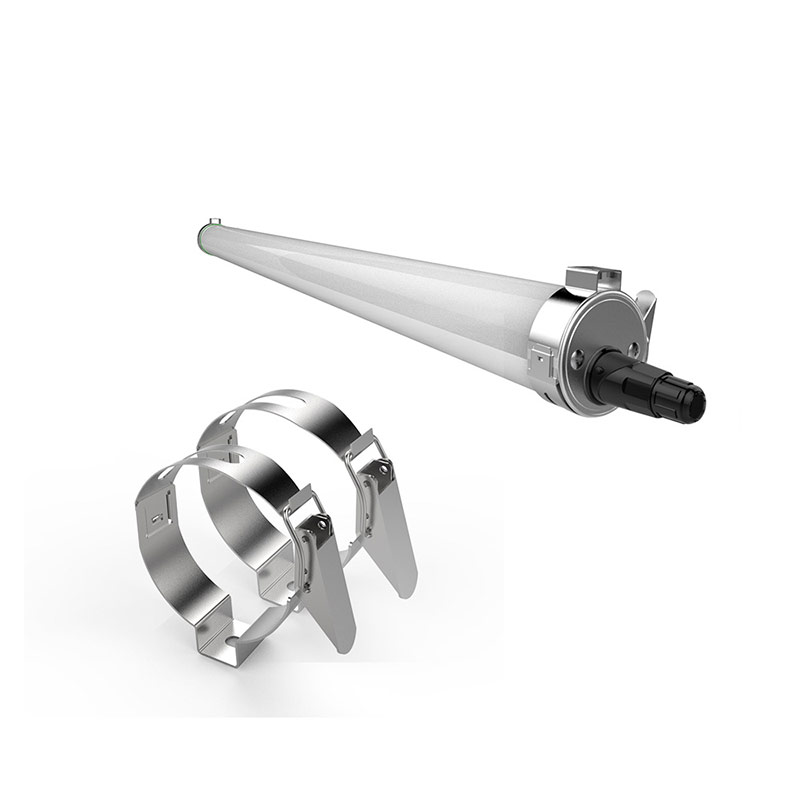
Now I want to explain core principles for better barn lighting. Start with spectrum and control. Modern systems mix tunable white LEDs with simple photoperiod timers and optional edge computing nodes for remote monitoring. When you specify led cattle shed lighting, demand clear lumen output numbers, CRI values, and the type of driver. Driver efficiency and power converters matter as much as the diode type. I recommend systems that report runtime and fault codes—because if you can’t see performance, you can’t improve it. Also, consider thermal management; LEDs produce less heat but still need proper heat sinks. — small design choices change outcomes a lot.
What’s Next — practical steps and measurable checks
Here’s a forward-looking checklist I use in the field. First, prioritize even illuminance across alleys and stalls. Second, select tunable spectrum only if you will use it—otherwise stick to a stable 3000–4000K with good CRI. Third, insist on interoperable controls so you can add sensors later. Those are basic principles, but they change operations. I’ve tested farms where a modest re-lamping plus proper timers cut energy by 20% and improved cow calmness within weeks—results you can measure. We should aim for systems that are maintainable by on-farm staff and diagnosable remotely; that is practical, not fancy. In short: choose specs, not brands, and demand data.
To wrap up, here are three evaluation metrics I always use when judging a lighting solution: 1) Effective lumen output per square meter under load, 2) Driver efficiency and fail-safe diagnostics, and 3) Control capability for photoperiod and dimming (simple interfaces win). These tell you if the system will save energy and protect comfort. I care about practical results—so check these, ask for test runs, and insist on clear warranty terms. If you want a starting point, look at real products and documentation from szAMB. I’ll keep refining the approach as tech improves, but for now—start with good specs and simple controls.