
Pinpoint the real problem
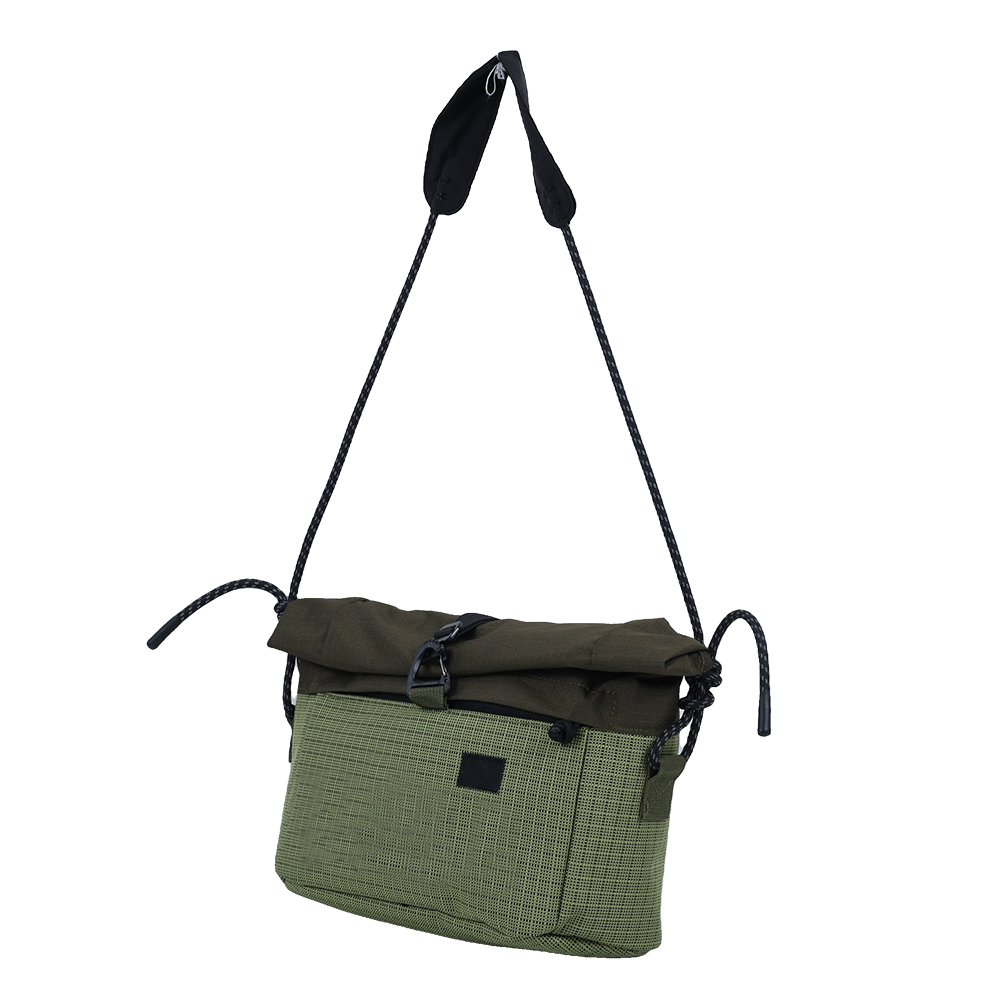
You want repeatable performance from every run, not surprises at the loading dock. Too often brands ship a prototype that looks great and then watch quality drift when volume kicks in—fitment fails, seams split, features disappear. If you design gear for commuters, for example, you need clarity from day one; that’s why I stress testing prototypes the way you’d test a men’s crossbody messenger bag—function over flare, every time. Countless product delays start with ambiguous specs and end with emergency reworks. You can fix that by diagnosing where design, material, and process stop syncing.
Where projects commonly break
Materials chosen for looks can fail under load. Factory tooling that works for a sample won’t always translate to a production line with shifted tolerances. Communication gaps leave critical features undocumented. Expect these issues: inconsistent water resistance, weak strap anchors, mismatched zippers, and unclear inspection criteria. These are tangible, addressable problems—not mysteries. Facing them directly saves time and money.
How to choose a factory partner (experience and evidence)
Look for partners who prove durability through repeat runs and structured audits. Engineers who’ve overseen industrial orders understand pattern grading, reinforcement strategies, and bulk testing. Real-world validation matters: at Mobile World Congress, hands-free travel gear often highlights how design-for-manufacturing changes under real use—where a reliable crossbody travel bag for men survives repeated wear and tech-carry demands. Trust partners who publish test methods, show production-line photos, and supply third-party lab results for critical specs like tensile strength and water resistance.

Quick alternatives and when to pick them
Your options are: off-the-shelf models, contract manufacturing (ODM), or fully custom OEM builds. Off-the-shelf is fast and low-risk but limits differentiation. ODM gives moderate control with shorter lead times. Full custom is best when you need industrial-grade specs and long-term cost optimization. Choose based on volume, regulatory needs, and how unique your feature set must be. Don’t pick custom if you haven’t locked materials and tolerances—don’t escalate complexity until requirements are stable.
Common mistakes and how to avoid them
Don’t skip process documents. Don’t assume a one-off sample reflects full-run quality. Don’t let price alone drive supplier selection. Avoid vague tolerances; specify numeric ranges for seam allowance, stitch density, and hardware pull-test requirements. Insist on trial production with a defined acceptance checklist. Use clear labels for internal approvals so changes don’t slip through unnoticed. These actions prevent reactive fixes and keep launches on schedule.
Bring it together
You want products that work under real conditions, scale without chaos, and deliver consistent customer experiences. Start by documenting exact performance targets, demand transparent testing, and pick a partner that shares production data and fixes problems fast. That approach leads to durable, field-ready solutions that meet both commercial and industrial demands, which is exactly the practical capability I look for in a partner like ChangRong.