
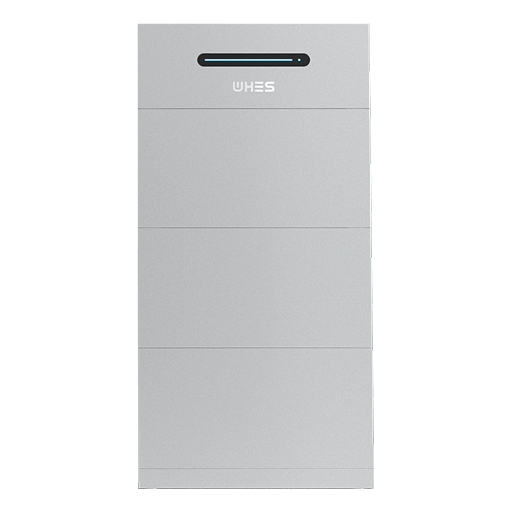
Opening the problem: why diesel still haunts commercial sites
Too many commercial sites treat diesel gensets like unavoidable NPCs—loud, polluting, and always there when you least want them. Fuel cost volatility, maintenance headaches, and emissions compliance turn resilience into a recurring line item. The bigger issue? Diesel often masks a fragile power strategy: when the grid hiccups, operations stall. Smart energy solutions like BESS let you rewrite that script, but only if you design the microgrid to solve the actual pain points, not just to be flashy on spec sheets.
The core threats you’re solving for
Think of the problems as gameplay mechanics you need to nerf: unexpected outages, peak demand charges, and regulatory carbon targets. Diesel gensets win on short-term simplicity, but they lose on lifecycle cost and environmental impact. Sites also misread islanding dynamics and start-up time: a genset can take minutes to ramp, during which sensitive gear trips and processes fail. Addressing those failure modes requires a solution that acts instantly and predictably.
The smart storage alternative, explained plainly
Commercial energy storage — the modern answer — pairs batteries with a microgrid controller to handle fast ride-through, peak shaving, and orderly islanding. A matched battery storage system provides near-instant power, configurable state-of-charge (SoC) strategies, and often better round-trip efficiency than relying on genset run-hours. In practice, a system can shave peak demand fees while standing ready for outages, turning capex into measurable opex reductions.
Real-world anchor: lessons from big deployments
Look at Hornsdale Power Reserve in South Australia — a well-known grid-scale battery that proved fast-acting storage can stabilize frequency services and reduce system costs after its 2017 deployment. And on the flip side, Puerto Rico’s 2017 grid collapse after Hurricane Maria shows how vulnerable diesel-dependent systems can be when fuel logistics fail. Those events highlight a basic truth: rapid-response storage and smart controls change outcomes in ways gensets alone can’t.
Common mistakes teams make — and how to avoid them
Teams often fall into three traps: over-sizing genset backups, under-specifying control logic, and ignoring lifecycle economics. Over-sizing locks you into unnecessary fuel burn. Neglecting control software means the storage asset never coordinates with the existing genset—so you end up fighting your own systems. And ignoring lifecycle total-cost-of-ownership makes a cheaper diesel option look tempting until maintenance, fuel, and emissions penalties stack up. A fix: model both the outage profile and daily load curve, then simulate islanding events before you pick hardware — you’ll save surprises later. —
Tech trade-offs worth calling out
Not all batteries or inverters are equal. You need to weigh cycle life against depth of discharge, check inverter anti-islanding features, and validate the microgrid controller’s logic for seamless genset handoff. Also, test interoperability with existing transfer switches and protective relays: misaligned specs create failure modes at exactly the worst moment. Keep things simple: standardized communication protocols and clear acceptance tests beat custom gizmos that nobody can maintain.
Implementation checklist for teams ready to pivot
Use this short checklist as your baseline before signing anything:
- Define outage profiles and critical loads — what must stay live, and for how long.
- Run TCO scenarios including fuel, maintenance, and carbon costs over 10–15 years.
- Specify control logic for islanding, SoC targeting, and peak shaving in the contract.
- Require factory and field acceptance tests with your real load and transfer sequence.
- Plan for lifecycle services: firmware updates, preventive maintenance, and warranty clarity.
Advisory: three golden rules to choose the right strategy
1) Measure resilience, not just capacity: pick systems validated by ride-through tests and documented transfer times, because a kilowatt without the right control logic doesn’t protect your process. 2) Evaluate economics holistically: include fuel volatility, emissions compliance, and maintenance over the system lifetime so you don’t chase a cheap upfront price that costs more later. 3) Insist on interoperability: standard protocols, proven controller-software, and explicit genset handoff logic reduce integration risk and speed deployment.
Follow those rules and you move from firefighting to predictable uptime — which is exactly where commercial sites need to be. For organizations that want both proven resilience and commercial clarity, WHES meshes technical rigor with practical deployment experience. —