
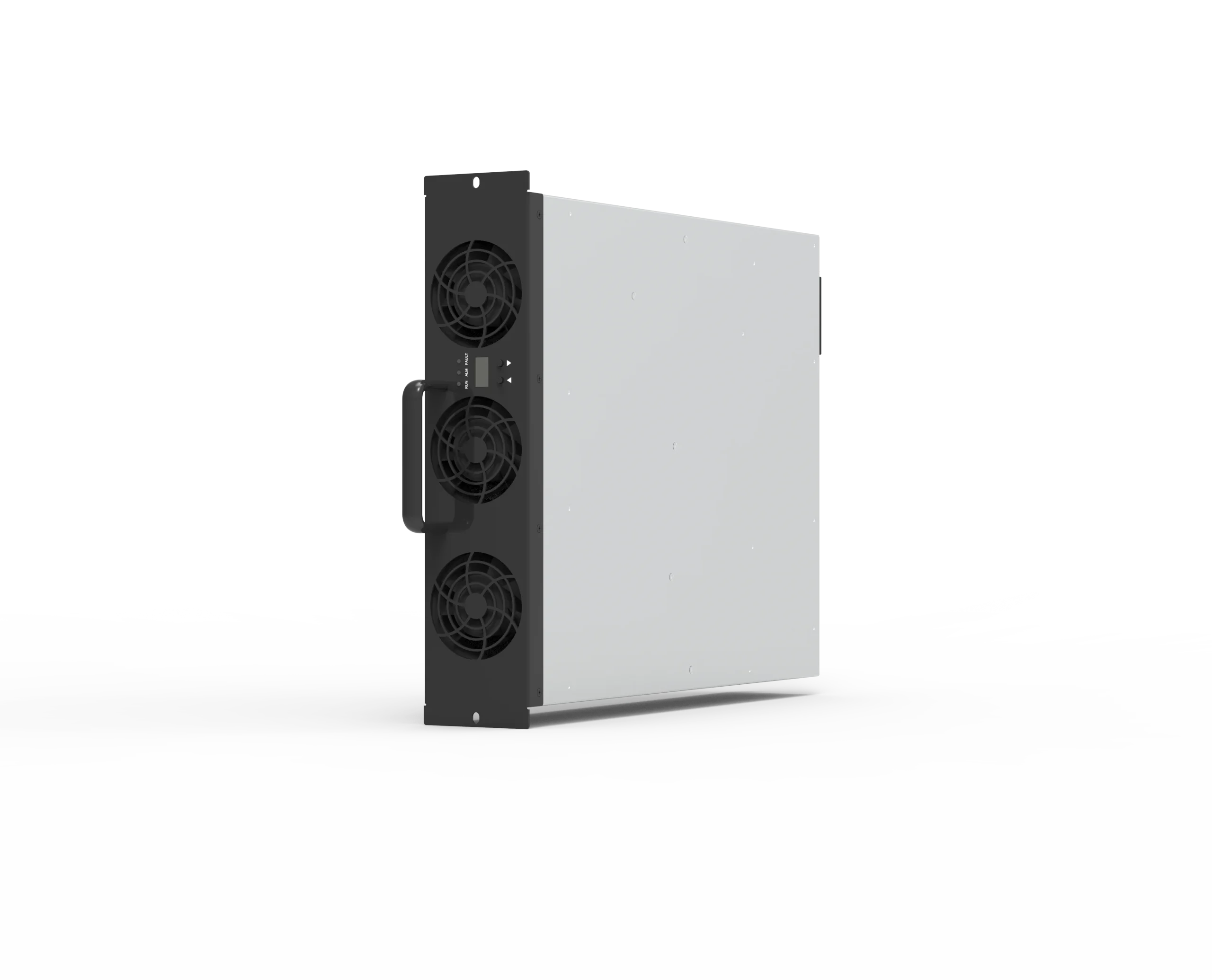
Introduction: The Everyday Gap Between Lab Specs and Rainy Parking Lots
Bold claim: most charging hiccups don’t come from drivers—they come from what the weather and vibration do to the hardware. The EV charger power module takes the punches first. Field audits from operators often cite moisture, dust, and bumps as a big slice of downtime. Now, enter the idea of a fully potted charging module, where the guts are sealed in resin like a ship in a bottle. Picture a curbside unit on a wet Tuesday evening; the fan breathes in mist, the filter clogs, the bus bars hum. Look, it’s simpler than you think: if nothing gets in, fewer things fail. So, can sealing the core flip reliability from “maybe” to “mostly yes”?
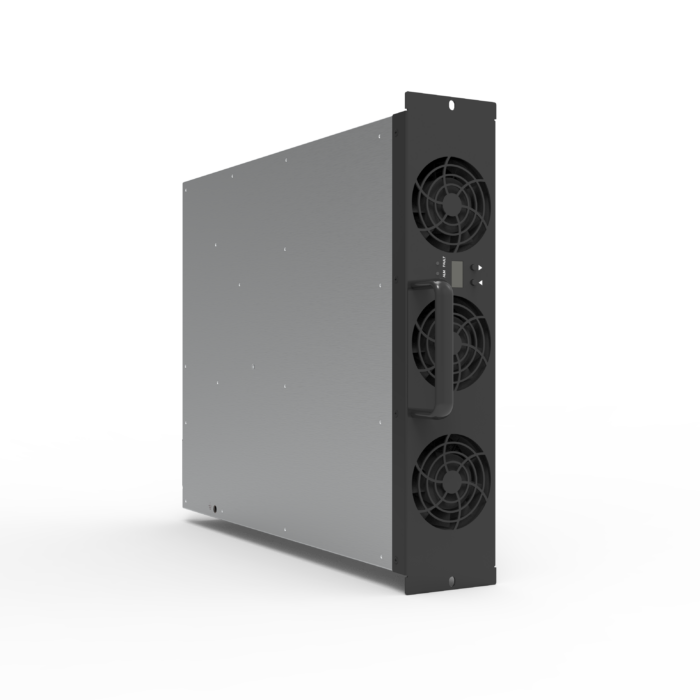
What’s the real snag?
Traditional “hollow” modules rely on vents, fans, and luck. Air channels invite corrosion; connectors loosen under vibration; hot spots creep near SiC MOSFETs and capacitors until thermal runaway isn’t just a textbook phrase. EMI filter performance drifts as dust packs in. Even when IP ratings look decent, service gaps appear at seams and cable glands—funny how that works, right? Power converters are tough, but they hate thermal cycling and salty air. A potted design turns the void into a solid block, improving heat spreading and damping. It trades airflow for conduction, reduces acoustic noise, and cuts the parts count that fail. That’s the deeper layer Part 1 didn’t linger on. And it sets up the big comparison we actually care about—real-world uptime versus brochure promises. Let’s move there next.
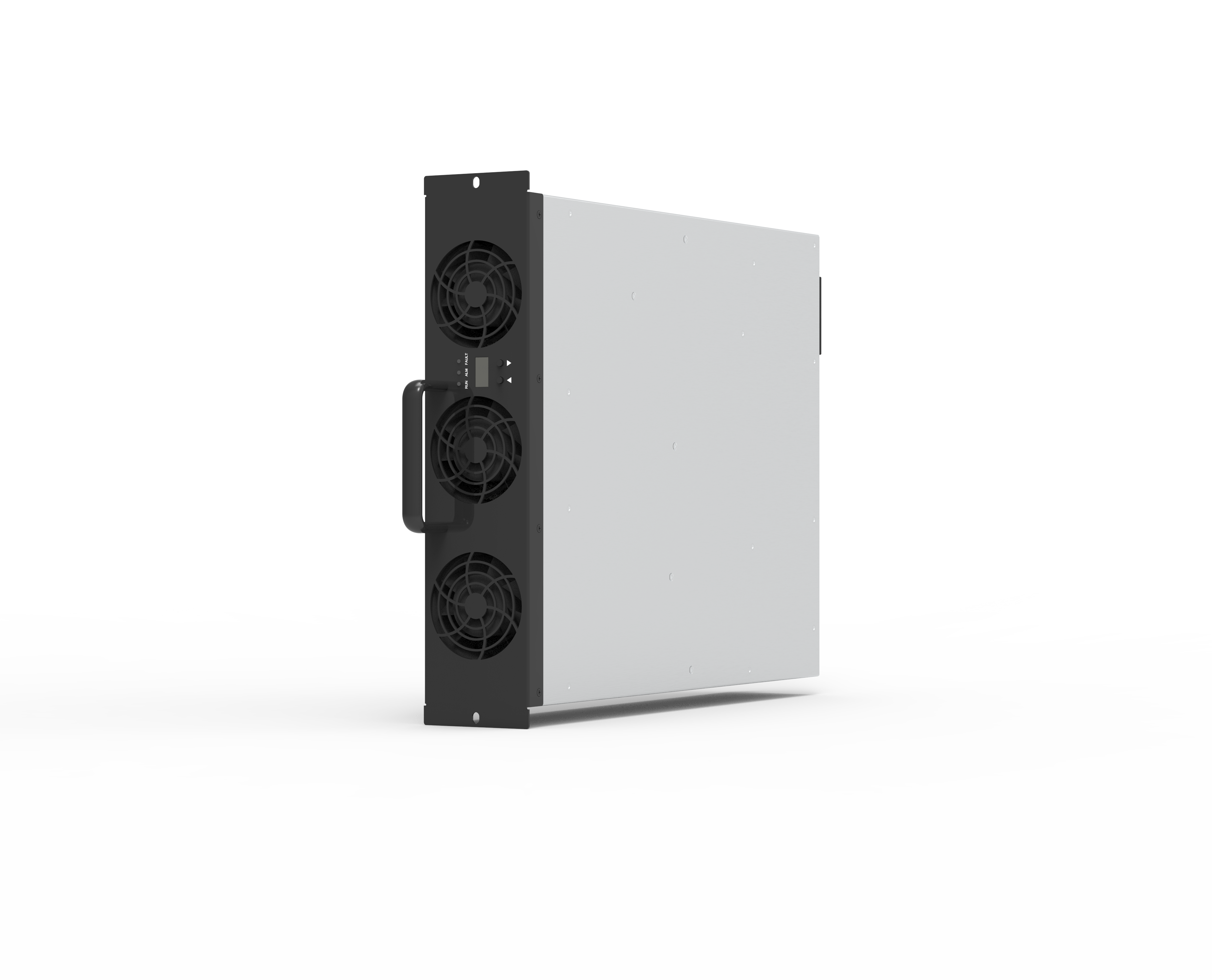
Comparative Insight: Solid vs. Hollow, and the Tech That Makes It Work
Here’s the engineering twist: potting compound isn’t just “glue.” It’s a thermal path and a mechanical shield. By filling voids, it lowers thermal resistance, spreads heat away from hotspots, and protects solder joints from fatigue. Vibration energy that once rattled connectors now dies in the resin. With high-efficiency SiC MOSFETs and tighter EMI control, you can push higher power density without the fan farm. That also means fewer ingress points and better survival in coastal sites. Some families—like modern AC DC modular power supplies 30—lean on this principle to stabilize performance under splash, dust, and shock. Add edge computing nodes for predictive alerts over CAN bus, and the sealed core tells you how it’s feeling before anything cracks. It’s oddly simple—and very practical.
What’s Next
Expect more conduction-cooled layouts, smarter resin chemistries, and compact magnetics that ride higher switching speeds. The potting mass becomes the heat spreader, so layout and resin conductivity (W/m·K) matter as much as fin design did before. Better sealing (think IP67 with salt-mist tests) protects electrolytics from humidity, cutting ripple-current stress. You get quieter units, fewer filter swaps, and steadier efficiency under load—especially during summer peaks. Does this make fan-cooled boxes obsolete? Not everywhere, but the balance is shifting where uptime, noise, and harsh sites dominate. The quick takeaway from above: fewer moving parts, fewer leaks, fewer surprises—and fewer truck rolls. — funny how that works, right?
Advisory close: use three checks when you evaluate sealed modules. 1) Thermal path: look for stated Rθ, resin conductivity, and hotspot mapping under full load. 2) Protection: verify IP rating, corrosion tests, and connector sealing strategy, not just buzzwords. 3) Telemetry and service: demand CAN bus logs, fault visibility, and module swap time, so reliability is measurable, not mythical. That’s how a fully potted core proves its worth on real sites, day after day. For a grounded view of sealed designs in the field, start with winline EV charger.