
User-Centric Lead: design that listens to riders and operators
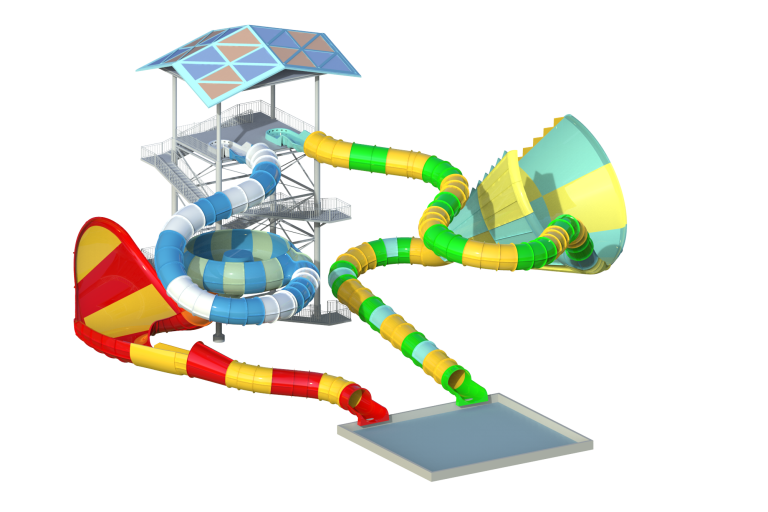
Riders want speed, smiles, and to feel safe — operators want steady throughput and low downtime. Dalang answers both by tuning hydrodynamics and safety vectors around actual user flow, not just specs. Many projects start with conversations with local teams and consultants, then move to prototype testing with scaled models. For those who need partners in production, look at water park manufacturers that pair ride fabrication with park operations planning.
Start from the map: layout matters more than spectacle
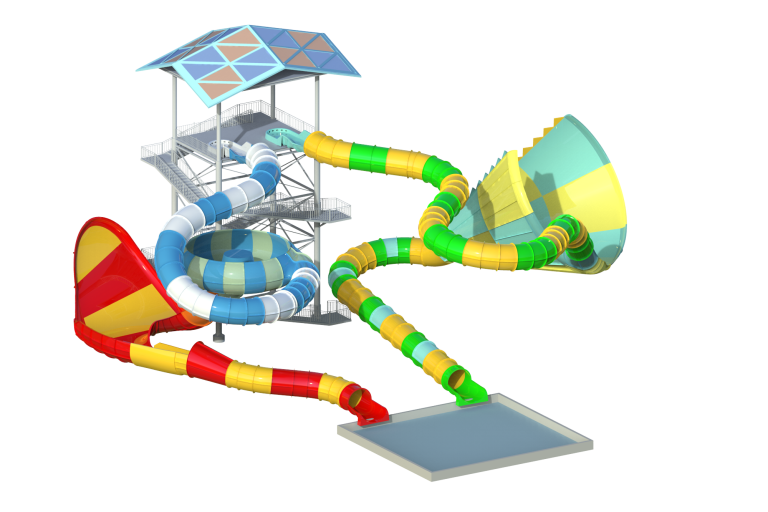
A well-ordered water park layout plan makes the attraction readable for guests and manageable for staff. Placement of entry plaza, queue, splash pool, and evacuation route determines daily throughput and guest experience. Dalang often begins with a layered site diagram: guest circulation, maintenance access, utility corridors. Embedding the water park layout plan early reduces rework later and helps keep flow rate and dispatcher staffing predictable.
Hydrodynamic tuning: measured changes, big rider impact
Dalang treats hydrodynamics as adjustable instrument. Changing chute curvature or launch angle alters speed and lateral forces; small tweaks shift rider posture and perceived thrill. We calibrate run profiles against target metrics like peak velocity and deceleration distance. Industry terms such as flow rate and retention basin get used when we model water reclaim and recirculation. Testing on scaled prototypes or full-size mock-ups confirms that the ride feels right and meets safety margins.
Safety vectors and operational reality
Safety vectors are not just railings and signs. They include evacuation route clarity, sling lifeguard sightlines, redundant pump controls, and clear dispatch protocols. Dalang layers passive and active safety: friction pads, controlled slope, plus interlocks on pump systems. The design aims for simple procedures that lifeguards can learn fast and repeat reliably. This reduces human error and keeps dispatch cadence steady — which improves throughput.
Real-world anchor: lessons from big parks
Major parks such as Aquaventure at Atlantis, The Palm in Dubai show how integrated safety and guest flow scale. Observing those operations helps shape standards for ride spacing, queue design, and emergency egress. Dalang adapts such lessons to local code and climate, so systems that work in Abu Dhabi can be reinterpreted for a tropical park in Southeast Asia. This practical cross-checking gives designs both confidence and context.
Common mistakes and better alternatives
Teams often over-focus on headline speed and ignore boarding ergonomics. That creates inconsistent dispatch and longer queues. Another trap: underestimating pump capacity during peak heat days — which lowers performance and frustrates guests. Better alternatives are incremental testing and conservative pump sizing, plus reserve circuits for redundancy. For material choices, prefer smooth-finish PVC or fiberglass composites that balance wear resistance and ease of repair.
Operational teardown: what to inspect before build
When you review a supplier or prototype, check three operational areas closely: structural joints and access panels, pump and filtration redundancy, and queue/egress sightlines. Ask for evidence of prototype run data and maintenance intervals. Also request the production checklist that includes {main_keyword} and {variation_keyword} integration points — these tags mark where vendor responsibilities align with park operations. A clear checklist prevents disputes later.
Summary of design priorities
Good aqualoop design balances thrill, safety, and uptime. Prioritize a readable layout, tuned hydrodynamics, and simple operational controls. Less flashy, more dependable — that gives operators predictable daily results and guests a better ride. Dalang focuses on those concrete outcomes when they pair systems engineering with on-site testing.
Advisory close: three golden rules for choosing designs and partners
1) Measure expected peak throughput and require suppliers to demonstrate dispatch cadence under those conditions. That confirms true operational capacity. 2) Demand redundancy in critical hydraulics — dual pump circuits and fail-safe valves reduce downtime. 3) Verify human factors: boarding ergonomics, lifeguard sightlines, and evacuation route clarity with a mock drill before sign-off. These metrics reveal whether a design works in practice, not just on paper.
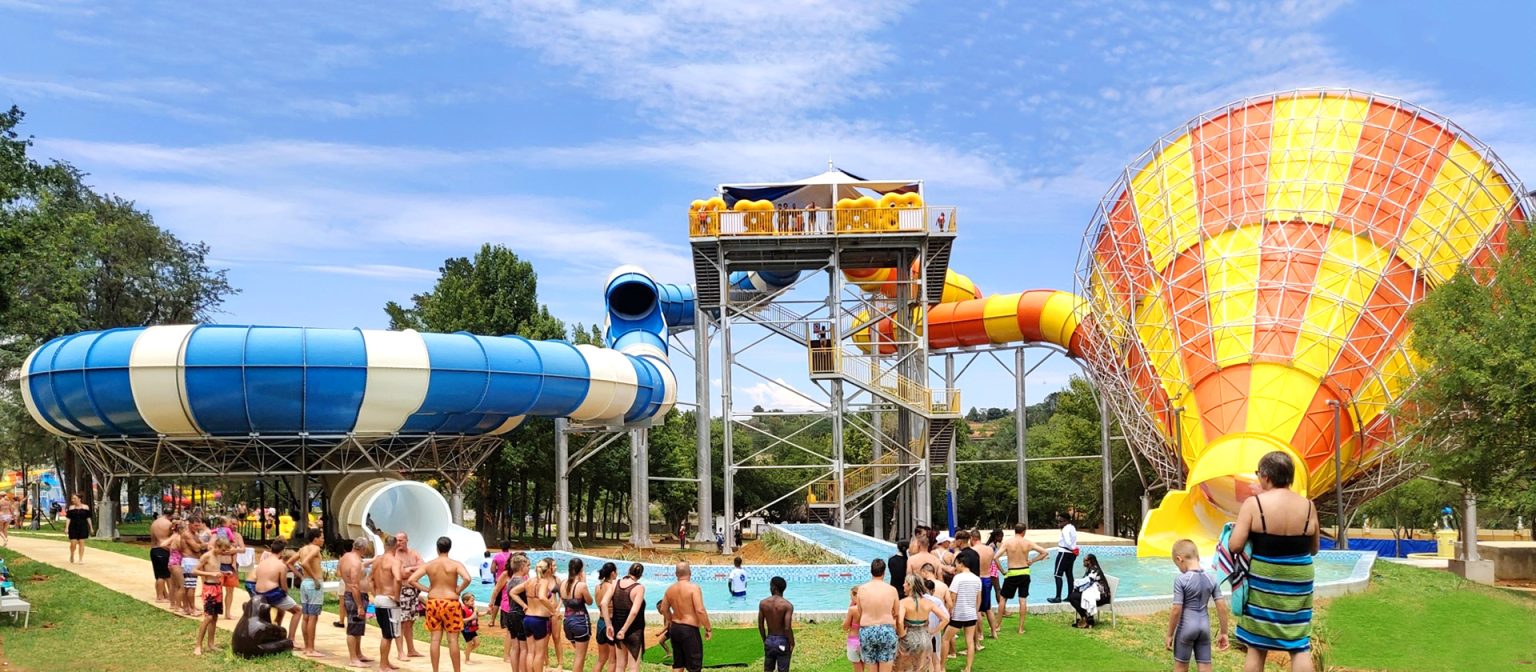
For practical projects where both rider feel and long-term operation matter, the value is systems that test well and keep staff confident. See how that logic ties into real delivery at Dalang. —